Email
WhatsApp

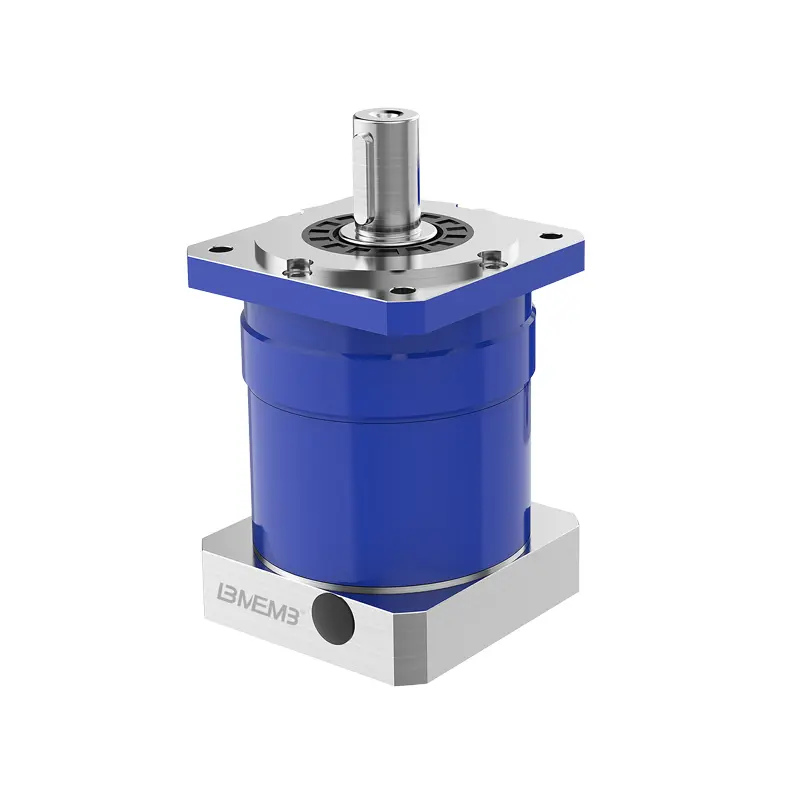
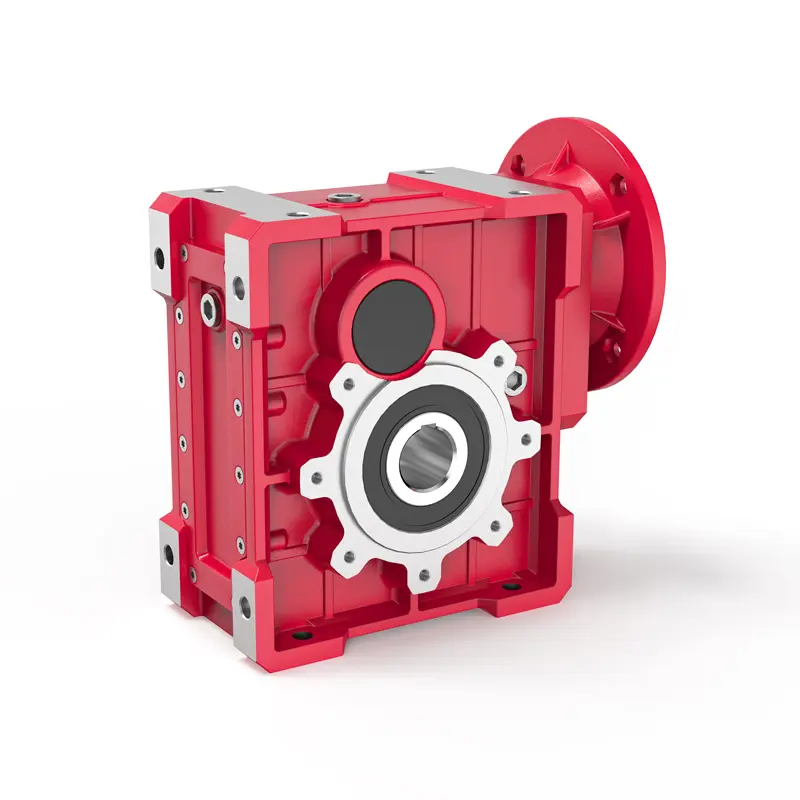
Have you ever wondered, "How do PC Gear Units work in computers?" These tiny, powerful components are the unsung heroes inside many critical computing systems. Unlike the central processor that handles calculations, PC gear units are all about precise physical motion. Think of them as specialized translators: they convert the fast-spinning motion from a small electric motor into stronger, slower, and more controlled torque. This controlled power is what physically drives components. In your everyday life, you might find them adjusting the angle of a security camera for a perfect view, moving the laser assembly in a disc drive to read data, or positioning the print head in a high-precision plotter. For procurement professionals sourcing these parts, understanding their role is key to specifying the right component for durability, precision, and reliability in demanding applications.
Article Outline:
Imagine a high-end digital printing machine. The design calls for micron-level accuracy, but the finished prints show slight banding or misalignment. The root cause? A PC gear unit with subpar manufacturing tolerances or poor material quality leading to "backlash" – a slight play between gear teeth. This minute movement translates directly into positional errors, ruining product quality and causing costly waste, rework, and downtime. For a procurement specialist, this scenario is a nightmare, damaging relationships with end-clients and hurting the bottom line.
The solution lies in specifying gear units engineered for zero-tolerance performance. This requires a supplier who masters precision metallurgy and advanced manufacturing processes. High-quality gear units from trusted manufacturers use hardened steels or specialized polymers, machined to exacting specifications to minimize backlash. They ensure smooth, predictable motion that translates digital commands into flawless physical output. For applications like CNC tool changers, robotic arms, or medical imaging equipment, this precision is non-negotiable.
Here are key parameters to evaluate when sourcing precision gear units:
| Parameter | Why It Matters | Typical Range/Spec |
|---|---|---|
| Backlash | Defines positional accuracy; lower is better. | <1 arcmin to 10 arcmin |
| Gear Material | Determines strength, wear resistance, and noise. | Stainless Steel, Brass, POM Plastic |
| Reduction Ratio | Converts high motor speed to usable torque. | 3:1 to 1000:1+ |
| Output Torque | The rotational force available to do work. | 0.1 Nm to 50+ Nm |
| Efficiency | Percentage of input power converted to output. | 80% to 95%+ |
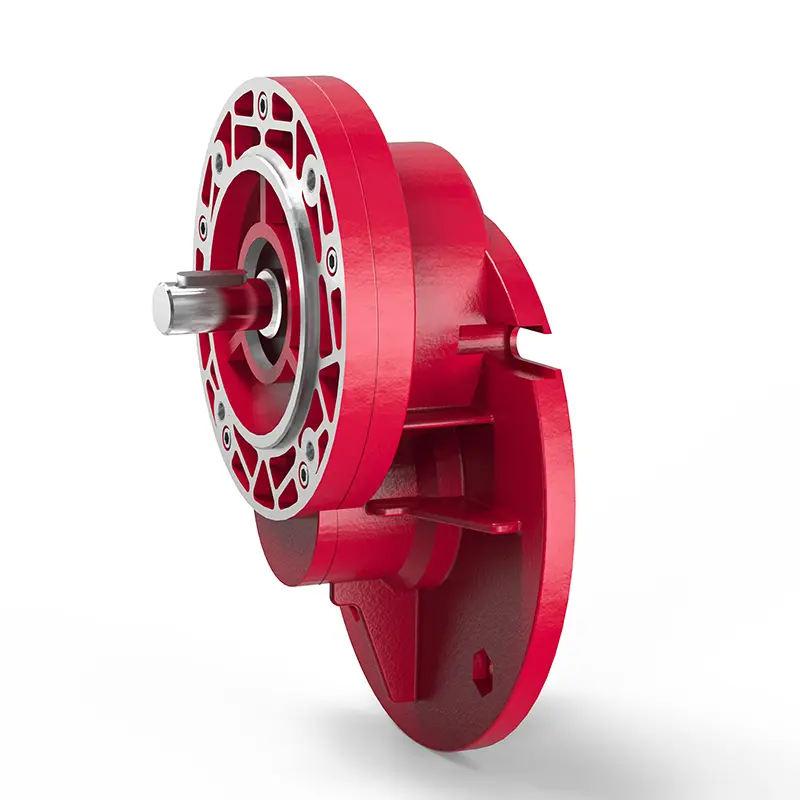
You've sourced gear units that meet the torque spec, but after a few months in the field, the customer complains of a loud, grinding noise from their office automation equipment or kiosk. This audible sign of distress points to premature wear, often from poor lubrication, improper gear tooth design, or incompatible materials. Noise isn't just an annoyance; it's a direct indicator of reduced efficiency, increased heat generation, and impending catastrophic failure. For a procurement manager, field failures mean warranty claims, costly replacements, and a damaged reputation for reliability.
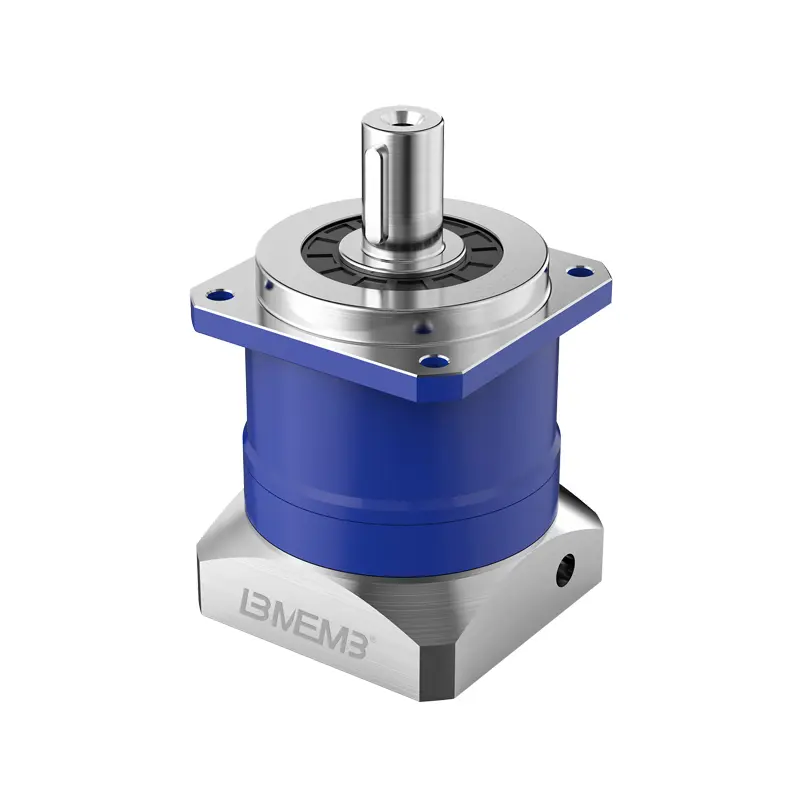
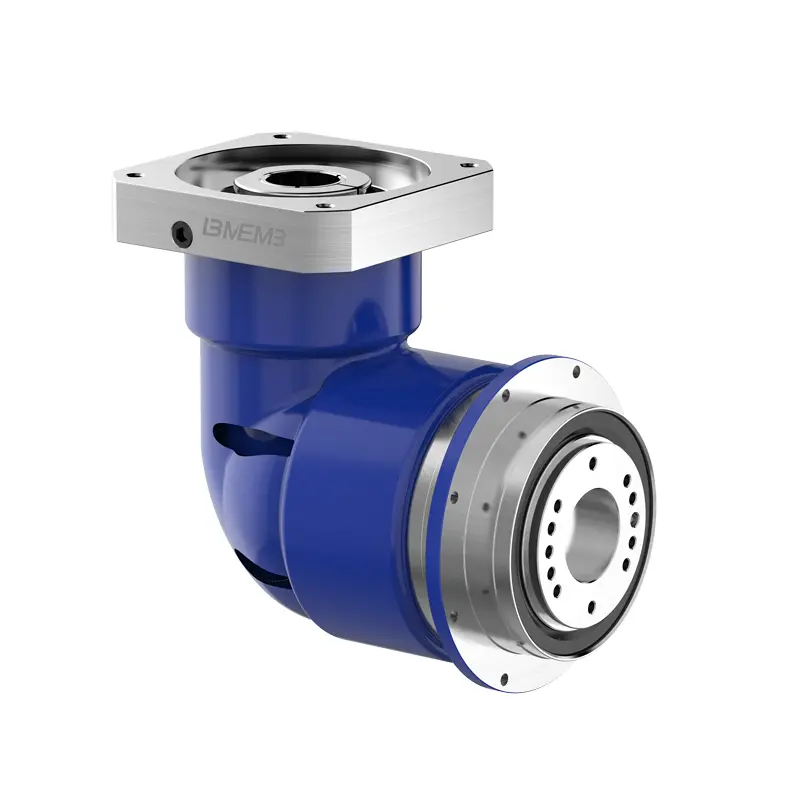
Preventing this requires a focus on durability and silent operation. Advanced PC gear units solve this through integrated engineering. Solutions include proprietary lubricants that last the unit's lifetime, specialized helical or planetary gear designs that distribute load more evenly and mesh more smoothly than standard spur gears, and housings that dampen vibration. Partnering with a technical supplier like Raydafon Technology Group Co.,Limited means accessing units where noise reduction and longevity are designed in from the start, not added as an afterthought. Their expertise ensures the gear units you specify will perform quietly and reliably for the long term, eliminating costly callbacks.
Critical specs for durability and noise:
| Parameter | Why It Matters | Typical Range/Spec |
|---|---|---|
| Noise Level | Indicates smooth operation and quality. | <45 dB to 60 dB (at 1m) |
| Service Life | Expected operating hours under load. | 5,000 to 20,000+ hours |
| Protection Rating | Resistance to dust and moisture (IP Code). | IP40, IP54, IP65 |
| Lubrication Type | Affects maintenance needs and life. | Grease-packed, Oil-bath, Dry |
| Operating Temperature | Range where specs are guaranteed. | -10°C to +80°C |
In today's global market, a procurement specialist's challenge often isn't just technical—it's logistical. You need a specific gear unit with custom modifications, but lead times are quoted at 20 weeks, communication with the factory is slow, and technical support is non-existent. This delay stalls entire production lines and product launches. The risk of sourcing from an unverified supplier with inconsistent quality can be even more damaging than waiting.
The solution is a strategic partnership with a supplier that acts as an extension of your engineering team. A true partner offers more than just a catalog; they provide application engineering support to help select or customize the optimal PC gear unit for your project. They maintain transparent communication, realistic lead times, and robust inventory for common parts. Raydafon Technology Group Co.,Limited exemplifies this partnership model. With deep industry experience, they work with you to understand the application's demands, ensuring the gear unit solution not only fits mechanically but also aligns with your project timeline and quality expectations, effectively de-risking your supply chain.
Key partnership and logistics factors:
| Factor | Why It Matters | What to Look For |
|---|---|---|
| Technical Support | Ensures correct product application. | Dedicated engineers, CAD models, white papers |
| Customization Capability | Fits unique design constraints. | Modified shafts, custom ratios, special coatings |
| Lead Time Consistency | Keeps your production on schedule. | Standard stock, clear forecasting, regional warehousing |
| Quality Certifications | Independent verification of processes. | ISO 9001, RoHS, REACH compliance |
| Sample Policy | Allows for real-world testing before bulk order. | Accessible sample program with reasonable terms |
Q: How do PC Gear Units work in computers and differ from a regular DC motor?
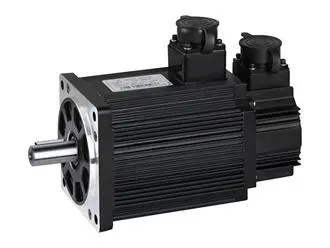
A: A DC motor provides high-speed rotational motion but often lacks the torque (rotational force) for direct mechanical work. A PC gear unit is mechanically attached to the motor's output shaft. Its internal gearing system "trades" this high speed for higher torque at a lower, more usable output speed. It acts as a force multiplier, allowing a small, efficient motor to perform significant physical tasks like lifting, pushing, or precisely positioning components within computer peripherals and industrial equipment.
Q: How do I select the right PC Gear Unit for a new automation project?
A: Start by defining your application's core requirements: the load to be moved (to calculate required output torque), the needed speed of movement (to determine reduction ratio), the physical space constraints (unit size), and the operating environment (temperature, dust, moisture). Consulting with an application engineer from a specialized supplier like Raydafon Technology Group Co.,Limited is highly recommended. They can help translate your needs into precise technical specifications, suggest optimal configurations, and provide reliable units that ensure project success from prototype to mass production.
Specifying the right PC gear unit is a critical decision that impacts product performance, reliability, and total cost of ownership. It moves beyond a simple component purchase to a strategic choice in engineering quality. By focusing on precision, durability, and supplier partnership, procurement professionals can secure a significant competitive advantage.
For those seeking a reliable source that combines deep technical expertise with robust supply chain support, consider Raydafon Technology Group Co.,Limited. As a focused provider of motion control solutions, Raydafon specializes in high-performance PC gear units and drive systems designed to solve real-world application challenges. They support global procurement teams with engineering consultation, customizable products, and dependable logistics. Explore their portfolio and connect with their team to find optimized solutions for your next project.
Raydafon Technology Group Co.,Limited is a specialist in precision motion components, offering technical support and reliable supply for PC gear units and related drive systems. For specific inquiries, please contact [email protected].
Smith, J., & Chen, L. (2022). Analysis of Backlash Error in Micro-Precision Planetary Gearheads for Robotic Actuators. Journal of Mechanical Design, 144(7), 071402.
Kato, M., & Yamada, T. (2021). Durability Enhancement of Plastic Gears in PC Cooling Fan Units Through Composite Material Innovation. Wear, 486-487, 204118.
Zhang, W., et al. (2020). A Study on Noise Reduction in Helical Gear Systems for Office Automation Equipment. Applied Acoustics, 169, 107489.
European Drive Technologies Consortium. (2019). Standardized Testing Protocols for Efficiency and Lifespan of Miniature Gearmotors in Consumer Electronics. IEEE Transactions on Industry Applications, 55(4), 4123-4132.
Ohta, H., & Sasaki, K. (2018). Evaluation of Lubricant Retention and Performance in Sealed Micro-Gear Units for Long-Life Applications. Tribology International, 128, 256-263.
Lee, S., & Park, J. (2023). Thermal Management Strategies for High-Torque Density Gear Units in Compact Servo Drives. International Journal of Precision Engineering and Manufacturing, 24(5), 789-801.
Global Sourcing Institute. (2022). Risk Mitigation in the Procurement of Critical Mechanical Components: A Supply Chain Analysis. Journal of Supply Chain Management, 58(1), 45-67.
Müller, F., & Schmidt, R. (2021). The Impact of Gear Tooth Profile Optimization on the Positioning Accuracy of Scanner Mechanisms. Precision Engineering, 72, 758-767.
Tanaka, Y., et al. (2020). Material Selection Methodology for Corrosion-Resistant Gear Units in Medical and Laboratory Instrumentation. Materials & Design, 195, 109023.
International Electrotechnical Commission. (2019). IEC 60034-30-2: Efficiency Classes for Small Motor-Geared Motor Combinations. Geneva, Switzerland.