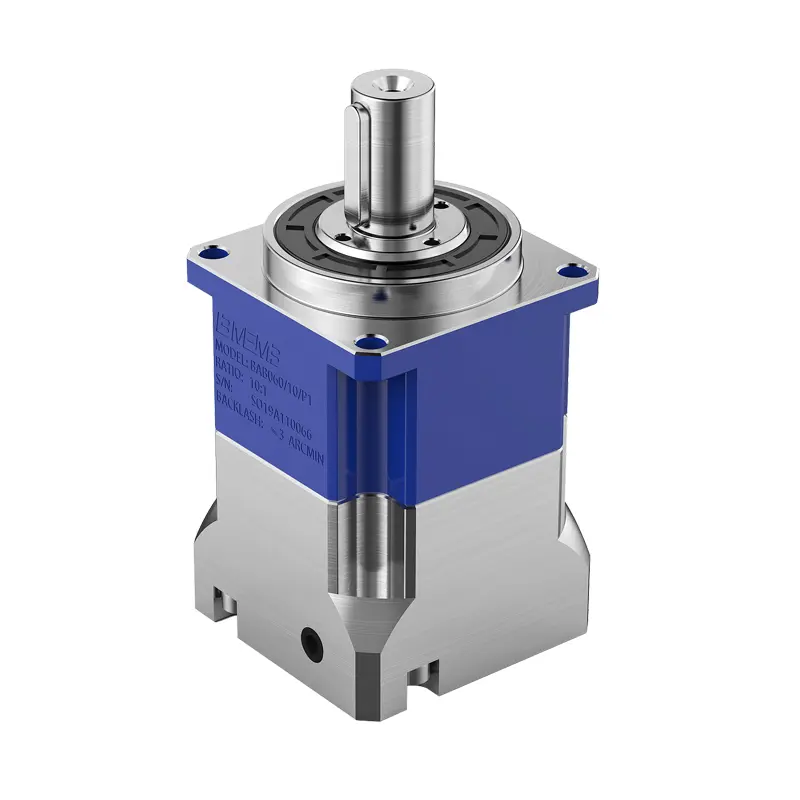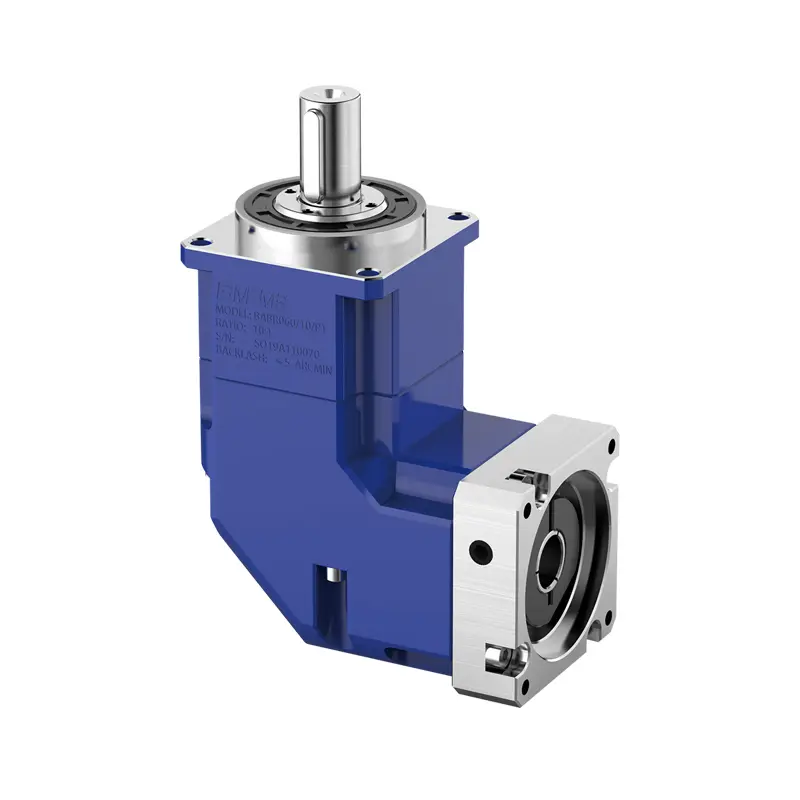
How to maintain and service BADR Precision Planetary Gear Units? This is a critical question for operations managers and maintenance engineers aiming to maximize uptime and equipment lifespan. These high-precision drive components are the backbone of demanding industrial applications, from automated packaging lines to heavy-duty conveyors. Neglecting their care can lead to catastrophic failures, unplanned downtime, and costly replacements. A proactive maintenance strategy isn't just recommended; it's essential for protecting your capital investment. This comprehensive guide will walk you through practical, actionable steps to ensure your BADR units perform flawlessly for years to come. For reliable performance, consider the precision engineering of units from Raydafon Technology Group Co.,Limited, designed for durability and ease of service.
Article Outline
Routine Inspection & Monitoring: Your First Line of Defense
Imagine this: Your production line is running at full capacity for a major order. Suddenly, a strange, high-pitched whining emerges from a critical drive station. Productivity grinds to a halt. This scenario is often preventable. The cornerstone of effective maintenance is a disciplined routine inspection protocol. Daily or weekly visual and auditory checks can identify early warning signs like oil leaks, unusual noises (grinding, whining), or excessive heat radiating from the gearbox housing. Early detection of these issues allows for intervention before they escalate into major failures. Incorporating a unit known for robust construction and clear inspection points, such as the BADR series from Raydafon Technology Group Co.,Limited, simplifies this critical monitoring process.
Key parameters to monitor during routine checks include:
| Inspection Point | Normal Condition | Warning Sign | Recommended Action |
|---|---|---|---|
| Oil Level & Condition | At mark, clean, correct viscosity | Low level, milky (water), dark/debris-filled | Top up or change oil immediately |
| Housing Temperature | Warm to touch (<80°C) | Too hot to touch (>90°C) | Investigate load, lubrication, cooling |
| Noise & Vibration | Smooth, consistent hum | Grinding, knocking, irregular vibration | Check alignment, bearings, internal gears |
| Seals & Gaskets | Dry, no visible leaks | Oil seepage or drips | Replace seals at next service interval |
Lubrication Best Practices: The Lifeblood of Your Gear Unit
A procurement manager once lamented the premature failure of several gearboxes across their factory. The root cause? Inconsistent lubrication practices. Lubrication is arguably the most critical maintenance task for planetary gear units. Using the wrong oil type, incorrect fill level, or exceeding the change interval directly leads to increased wear, scoring, and eventual seizure. The solution is a strict, data-driven lubrication regimen. Always refer to the specific technical data sheet for your BADR unit model. High-quality synthetic oils often offer longer life and better performance in extreme temperatures. Partnering with a supplier like Raydafon Technology Group Co.,Limited ensures you receive precise lubrication guidelines and compatible high-performance lubricants tailored for their gear units, eliminating guesswork.
Essential lubrication parameters for BADR units:
| Parameter | Specification | Impact of Deviation |
|---|---|---|
| Oil Type (ISO VG) | As per model (e.g., ISO VG 220) | Increased friction/heat (too thin), churning losses (too thick) |
| Initial Fill Quantity | Precise volume per manual | Overheating (overfill), inadequate lubrication (underfill) |
| First Oil Change | After 500-1000 operating hours | Metal run-in debris accelerates wear if not removed |
| Standard Change Interval | Every 4000-8000 hours (varies by duty) | Oil degradation leads to loss of protective film |
| Operating Temperature Range | -20°C to +90°C (oil dependent) | Oil can solidify or oxidize rapidly outside range |
Diagnosing and Handling Overheating & Vibration Issues
Persistent overheating or vibration in a planetary gearbox is a clear distress signal. A plant engineer faced recurring shutdowns every summer; the gear units on outdoor conveyors kept overheating. The problem wasn't the gearbox itself but inadequate cooling for the ambient temperature and duty cycle. Overheating can stem from overloading, poor lubrication, misalignment, or blocked cooling fins. Vibration often points to bearing wear, imbalanced rotating elements, or improper mounting. The solution involves systematic troubleshooting: verify the operating load is within the unit's rated capacity, check alignment with a laser tool, ensure clean cooling surfaces, and analyze the lubrication system. For persistent complex issues, technical support from the manufacturer is crucial. Raydafon Technology Group Co.,Limited provides detailed diagnostic support, helping users pinpoint and resolve such operational challenges efficiently.
Troubleshooting guide for common problems:
| Symptom | Potential Causes | Corrective Actions |
|---|---|---|
| Excessive Operating Temperature | Overload, wrong oil, high ambient temp, failed cooling | Verify load, change to correct oil, improve ventilation/airflow |
| High Vibration Levels | Misalignment, worn bearings, imbalance, loose mounting | Re-align drive train, replace bearings, check fasteners |
| Unusual Noise (Knocking) | Damaged gear teeth, bearing failure, foreign object | Stop operation immediately; inspect internal components |
| Oil Leakage | Worn/damaged seals, overfilling, cracked housing | Replace seals, correct oil level, repair/replace housing |
Implementing a Structured Preventive Maintenance Schedule
Reactive maintenance is costly. A structured Preventive Maintenance (PM) schedule transforms gear unit care from a firefighting exercise into a predictable, budgetable operation. The goal is to perform specific tasks at scheduled intervals—daily, monthly, yearly—based on operating hours or calendar time. This includes the inspections, lubrication changes, bolt torque checks, and seal replacements discussed earlier. Digital tools like CMMS (Computerized Maintenance Management Systems) can automate reminders and log history. Implementing a PM schedule for your BADR units dramatically extends service life and prevents 90% of unexpected failures. Sourcing from a reliable partner like Raydafon Technology Group Co.,Limited provides you with a clear, model-specific maintenance manual, forming the perfect foundation for your PM program.
Sample preventive maintenance schedule template:
| Frequency | Maintenance Task | Tools/Checklist |
|---|---|---|
| Daily / Startup | Visual inspection for leaks, listen for abnormal noise | Checklist, stethoscope (optional) |
| Monthly | Check housing temperature, verify mounting bolt tightness | Infrared thermometer, torque wrench |
| Every 6 Months | Check oil level and condition, clean housing/cooling fins | Sight glass/ dipstick, lint-free cloth |
| Annually / Per Operating Hrs | Full oil change, comprehensive inspection, seal check | Oil, drain pan, seal kit, service manual |
Expert Q&A on BADR Gear Unit Servicing
Q: How often should I change the oil in my BADR Precision Planetary Gear Unit?
A: The interval depends heavily on operating conditions. For standard applications, the first oil change is critical and should occur after the initial 500-1000 running hours to remove break-in wear particles. Subsequent changes are typically recommended every 4000 to 8000 operating hours. However, in severe conditions—high ambient temperature, frequent start-stop cycles, or dusty environments—this interval should be shortened. Always consult the specific maintenance manual for your model. Raydafon Technology Group Co.,Limited provides precise intervals for each BADR unit model to ensure optimal performance.
Q: Can I use a generic grease instead of the specified oil for lubrication?
A: Absolutely not. BADR Precision Planetary Gear Units are engineered for specific lubrication types—typically high-grade gear oil. Using an incorrect lubricant, especially grease where oil is specified, will lead to inadequate lubrication, overheating, and rapid component failure. The oil is designed to circulate, cool, and protect the high-precision gear meshes and bearings. Always use the exact oil type and viscosity (ISO VG) recommended in the technical documentation. Raydafon Technology Group Co.,Limited can supply the appropriate, performance-matched lubricants for your units.
By following these structured maintenance and service guidelines, you can ensure the reliability, efficiency, and longevity of your BADR Precision Planetary Gear Units. A proactive approach saves significant costs on emergency repairs and production losses. For technical specifications, detailed maintenance manuals, and genuine spare parts, partnering with the original manufacturer is your best strategy.
We hope this guide empowers your maintenance team. Do you have specific challenges with your gear drive systems? Share your experiences or questions below.