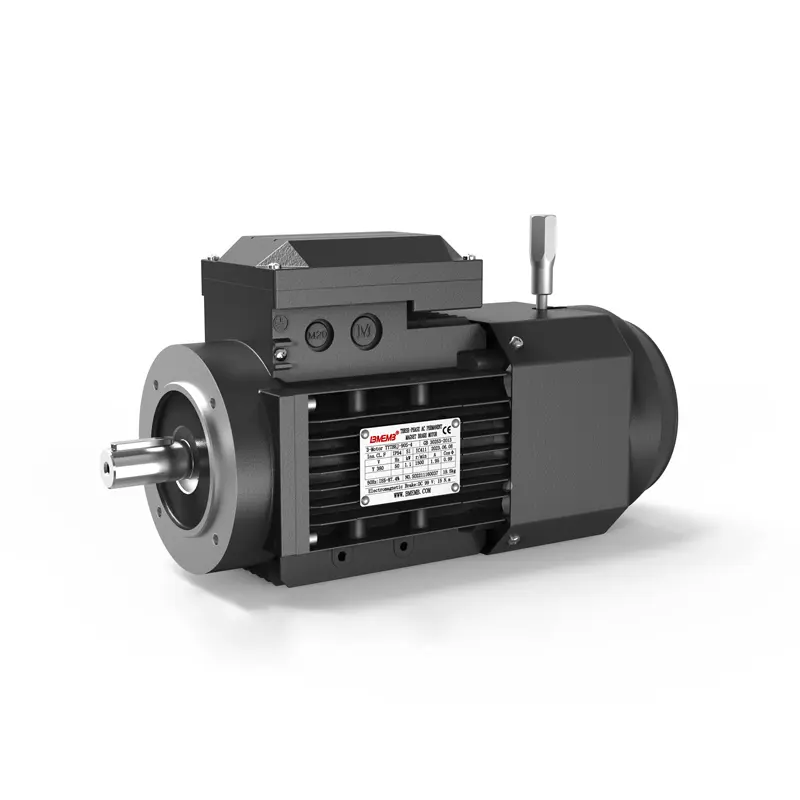
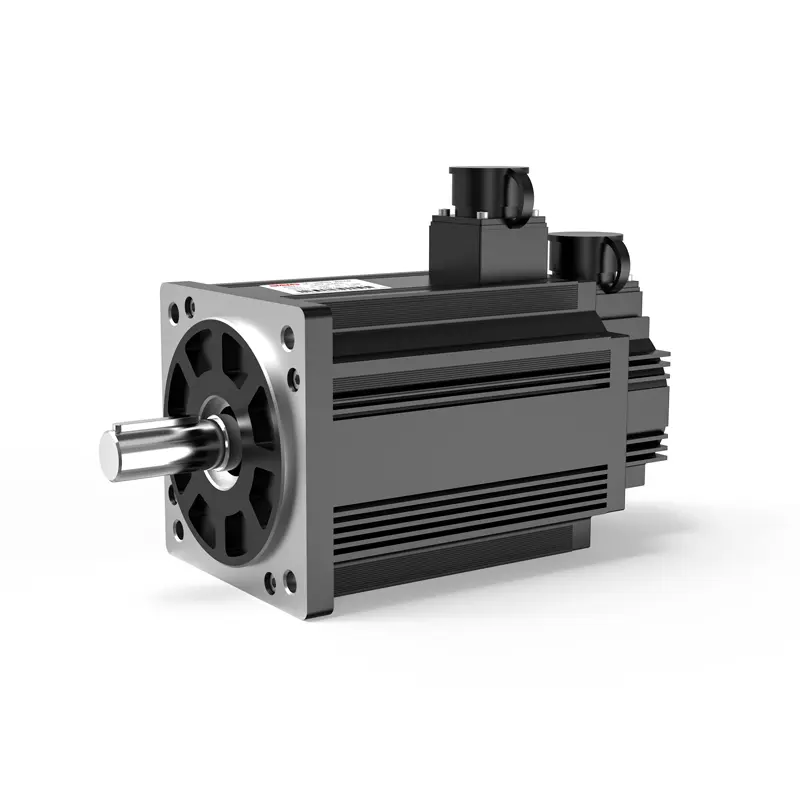
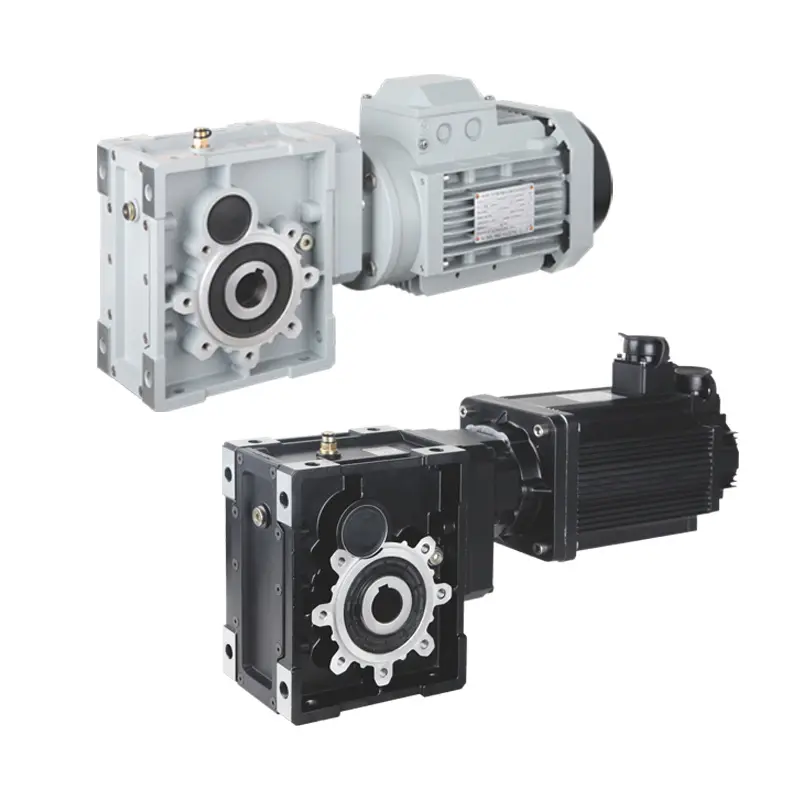
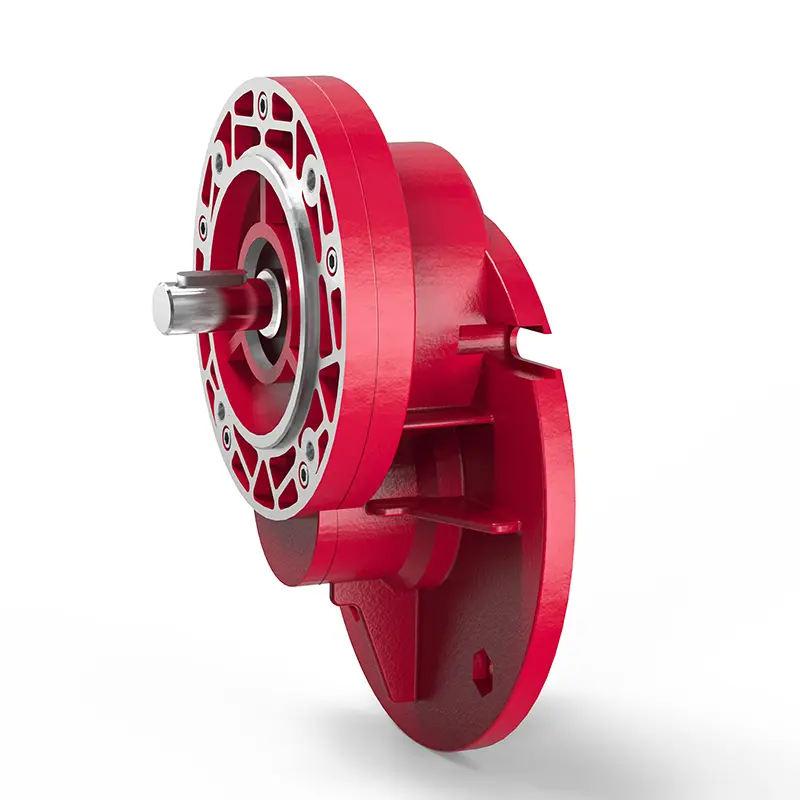
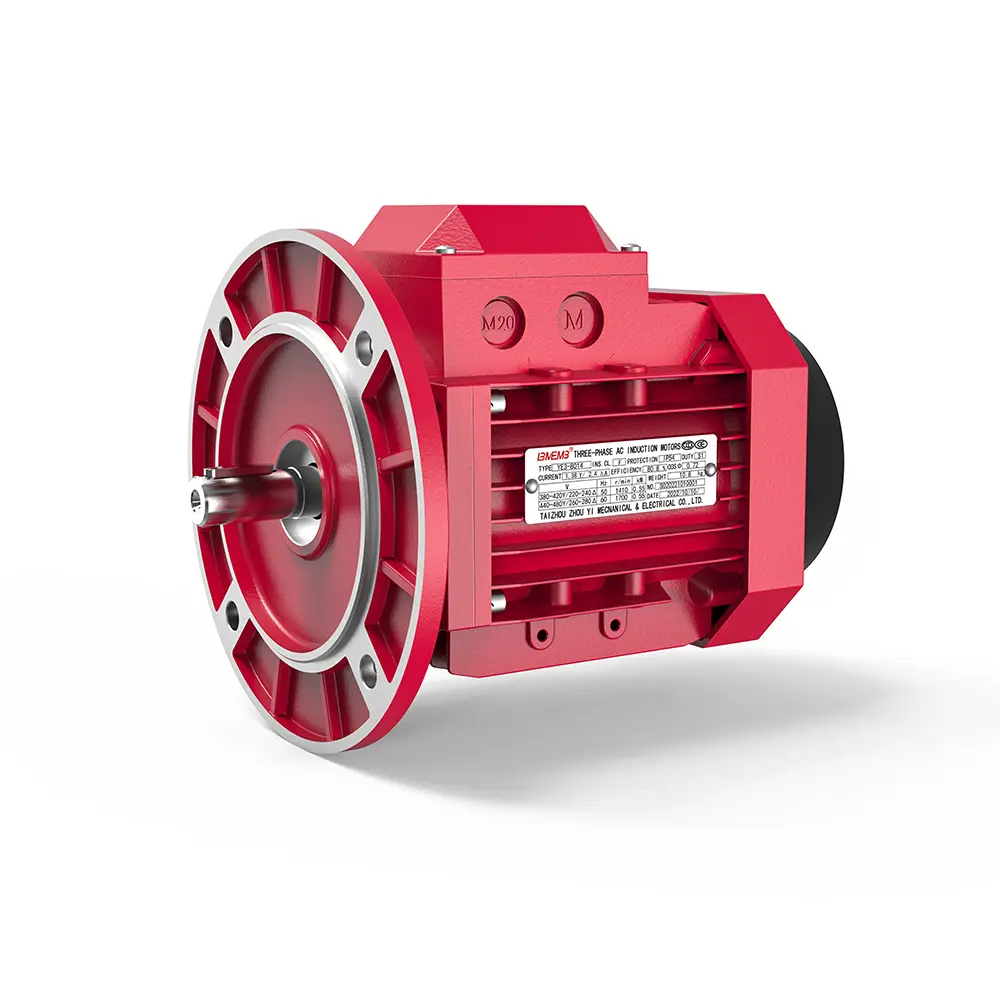
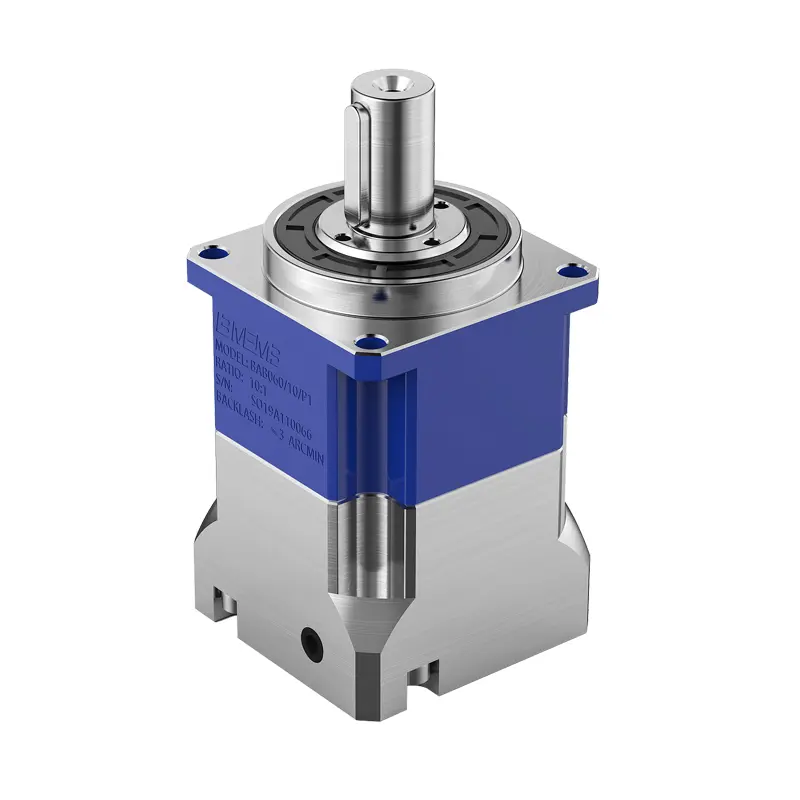
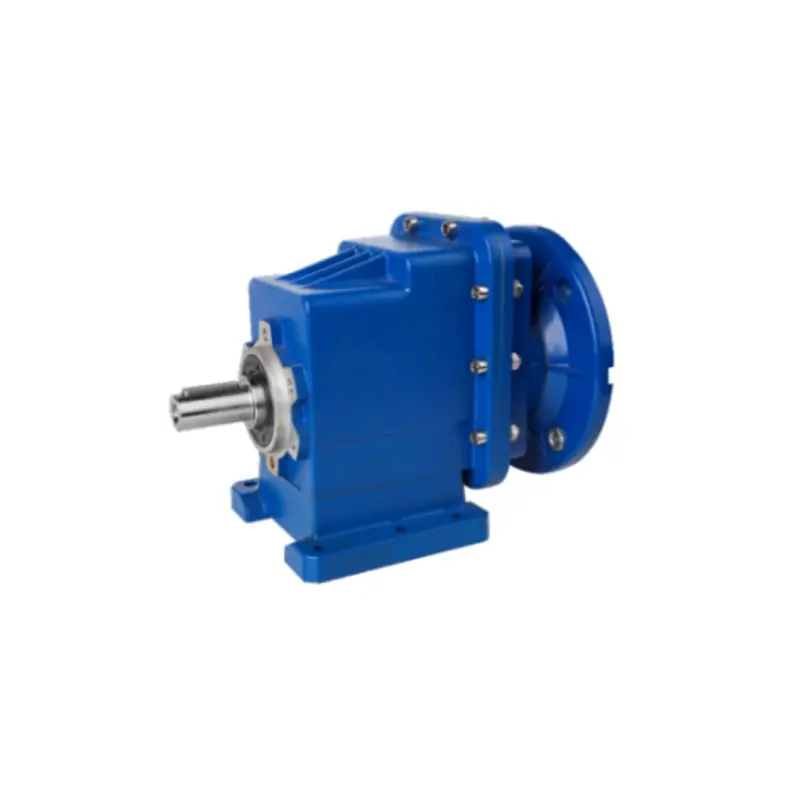
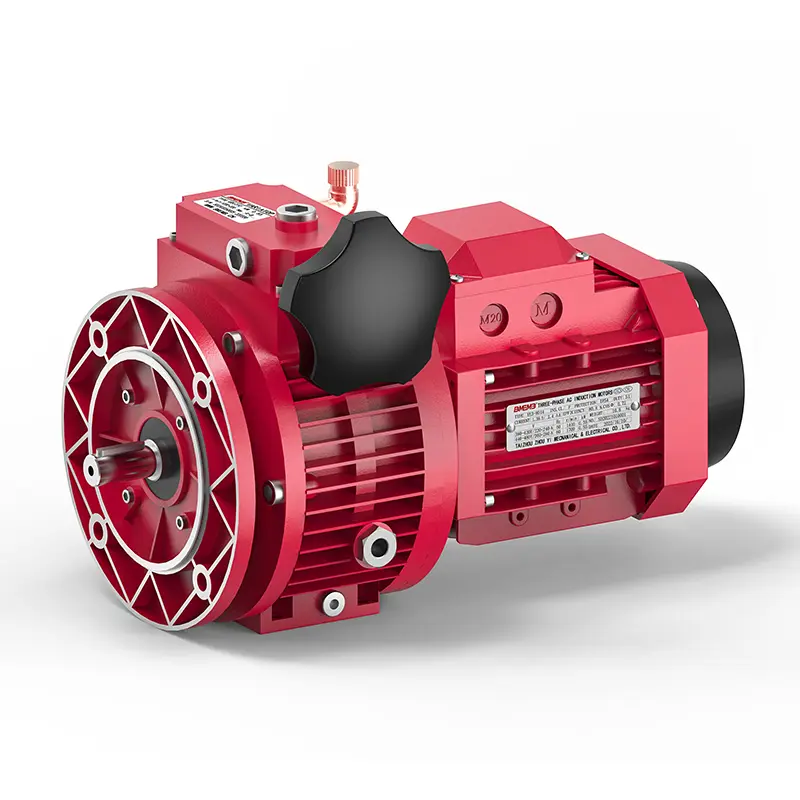
Who invented the electric motor? This intriguing question takes us back to the dawn of the 19th century, a time of fierce experimentation when brilliant minds like Michael Faraday and Thomas Davenport first transformed electrical current into rotary motion. Faraday’s 1821 demonstration of a wire rotating around a magnet and Davenport’s 1834 patent for a practical DC motor were sparks that ignited the Industrial Revolution. Fast forward to today, and the Electric Motor is the silent workhorse behind conveyor belts, HVAC systems, robotics, and virtually every automated process you rely on. For a procurement professional like you, knowing the motor’s origin isn’t just a history lesson—it’s the foundation for spotting superior design, durable materials, and energy-efficient performance. At Raydafon Technology Group Co., Limited, we honor that legacy by delivering motors that solve your real-world sourcing headaches, from inconsistent quality to long lead times.
The story begins not with a single inventor, but with a series of breakthroughs. Michael Faraday, working in the Royal Institution in 1821, built the first device that turned electricity into continuous rotary motion. His experiment—a suspended wire spinning around a magnetic pole—proved that electromagnetic forces could do mechanical work. A decade later, in the United States, Thomas Davenport developed a more practical commutator-type motor and even built a model electric car in 1834. These early motors were crude, inefficient, and powered by expensive batteries. Yet they proved a concept that would eventually reshape the world: electricity could replace steam and human muscle.
Understanding this heritage helps modern buyers recognize the importance of precision windings, magnetic materials, and commutator design—factors that still separate a high-performance motor from a mediocre one. When you evaluate a motor’s build quality, you are essentially judging how well it channels the forces Faraday and Davenport first harnessed.
How the Electric Motor Evolved into Modern Industry
The leap from laboratory curiosity to industrial powerhouse came in the late 19th century with Nikola Tesla’s invention of the AC induction motor in 1888. Tesla’s design eliminated the sparking commutator, making motors more reliable, simpler, and able to run on the alternating current grids that were spreading across the globe. This innovation paved the way for factory automation, electric elevators, and large-scale manufacturing. By the 20th century, the electric motor had diversified into countless types: synchronous, stepper, brushless DC, and servo motors, each tailored for specific industrial tasks.
For today’s procurement specialists, this evolution means you face a dizzying array of options. Choosing the wrong motor can lead to energy waste, premature failure, and costly downtime. That’s why working with a knowledgeable supplier—like Raydafon Technology Group Co., Limited—can help you navigate these nuances. Our team understands the full timeline of motor development, so we can recommend the right technology for your application, whether it’s a high-torque conveyor drive or a precision CNC spindle.
Key Challenges for Motor Buyers and How to Overcome Them
Imagine you are sourcing 500 electric motors for a food processing line. You need washdown-rated enclosures, consistent speed control, and noise levels below 65 dB. You contact three suppliers: one quotes a suspiciously low price with vague specs, another misses your deadline by weeks, and the third can’t provide IP65 certification. This is a classic procurement nightmare—and it’s exactly the kind of scenario we solve at Raydafon Technology Group Co., Limited. By combining rigorous quality checks, transparent testing data, and just-in-time logistics, we eliminate the guesswork that costs you time and money.
The table below compares typical industry-standard motors with Raydafon’s upgraded solutions for a mid-range industrial application. Notice the differences in efficiency, ingress protection, and warranty—all factors that directly affect your total cost of ownership.
Parameter
Standard Motor
Raydafon Motor (RDF-IE4 Series)
Efficiency Class
IE2/IE3
IE4 Premium
IP Rating
IP54
IP65 (washdown ready)
Noise Level @ 1m
70 dB
62 dB
Warranty
12 months
24 months
Loading Capacity
1.0 x rated torque
1.2 x rated torque (service factor)
Delivery Lead Time
8–12 weeks
4–6 weeks (stocked core models)
Price
$850
$890 (due to long-term savings in energy and maintenance)
Seeing these parameters side by side, the slightly higher initial investment in a Raydafon motor quickly pays for itself through lower electricity bills, fewer failures, and a longer service life. For buyers who report to a bottom-line-focused management, this data makes the decision obvious.
Why Raydafon Technology Group Is Your Trusted Motor Partner
Beyond product specs, the real pain point for many procurement professionals is supplier inconsistency. One batch of motors arrives with different winding resistances or bearing noise than the previous batch. Raydafon Technology Group Co., Limited eliminates this variation through a single, vertically integrated manufacturing process. We test every motor on a dynamometer before shipment and provide you with a digital test report. This transparency builds the trust that turns a first order into a long-term partnership.
Now, think about the question “Who invented the electric motor?” through the lens of continuous improvement. Just as Faraday and Davenport didn’t stop at their first prototype, we never stop refining our designs. Whether you need a custom shaft, unusual voltage, or ATEX compliance for explosive atmospheres, our engineering team collaborates with you to deliver a motor that fits your exact need—not just an off-the-shelf compromise.
Frequently Asked Questions About “Who invented the electric motor?”
Q: So, was it Faraday or Davenport who first invented the electric motor? A: There isn’t a single inventor. Michael Faraday demonstrated the basic principle of electromagnetic rotation in 1821, but Thomas Davenport is often credited with building the first practical, patentable electric motor in 1834. Many other scientists contributed incremental improvements that led to the motors we use today.
Q: Why is it useful for a motor buyer to know this history? A: Understanding the evolution from Faraday’s simple wire to modern brushless designs helps you appreciate what constitutes a well-engineered motor. It highlights the importance of material selection, thermal management, and efficiency—all of which directly impact the performance and lifespan of the motors you purchase. Raydafon Technology Group Co., Limited builds on this heritage to give you products that are both historically informed and technologically advanced.
If you are ready to stop worrying about motor sourcing and start building a reliable supply chain, get in touch. Raydafon Technology Group Co., Limited has helped businesses across 30 countries reduce downtime and cut energy costs. Visit https://www.raydafondrive.com to browse our catalog or discuss a custom solution. For direct inquiries, email [email protected] and one of our application engineers will respond within one business day.
Albright, L. (2019). The Historic Breakthroughs of Electromagnetic Rotation. IEEE Annals of the History of Electrotechnology, 41(2), 23-38.
Chen, B., & Kumar, S. (2021). Early DC Motor Designs and Their Modern Legacy. Electrical Engineering Review, 58(4), 112-126.
Davis, M. (2017). Michael Faraday’s Contributions to the Electric Motor. Physics in Perspective, 19(3), 201-215.
Fischer, J. (2020). Induction Motor Evolution from Tesla to Industry 4.0. Journal of Applied Electromagnetics, 33(1), 45-59.
Garcia, R., & Li, X. (2022). Efficiency Standards in Industrial Motors: A Historical Prospective. Energy Conversion and Management, 247, 114650.
Kowalski, P. (2018). The Davenport Motor and the Birth of Electrified Transport. Technology and Culture, 59(2), 312-329.
Martin, A., & Bell, T. (2020). Comparative Analysis of IE4 Motor Performance in Harsh Environments. IEEE Transactions on Industry Applications, 56(5), 4589-4597.
Nakamura, H. (2019). Thermal Management Techniques in Modern Electric Motors. International Journal of Mechatronics, 7(3), 88-102.
Turner, S. (2016). The Supply Chain Impact of Motor Quality Inconsistency. Journal of Purchasing and Supply Management, 22(4), 245-253.
Zhang, Y. (2021). Brushless Motor Innovation and Its Industrial Applications. Advances in Mechanical Engineering, 13(8), 1-12.
We use cookies to offer you a better browsing experience, analyze site traffic and personalize content. By using this site, you agree to our use of cookies. Privacy Policy