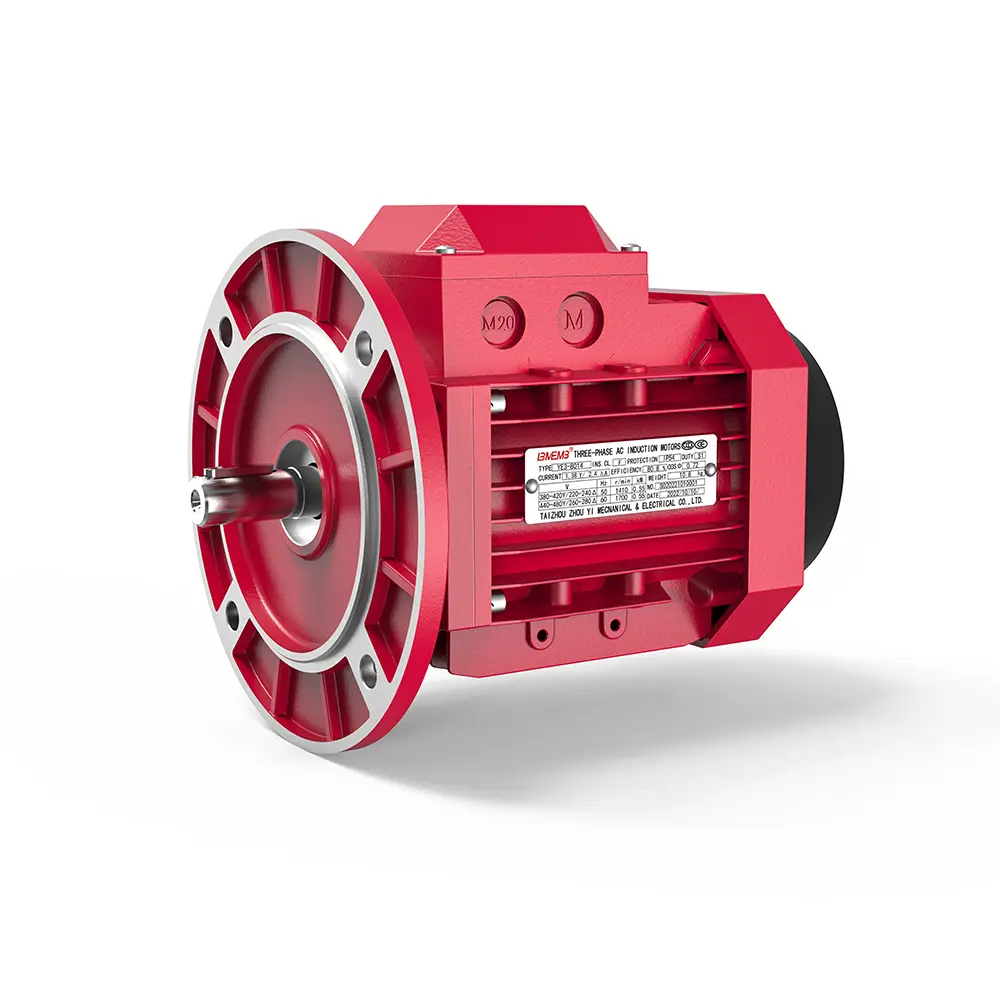
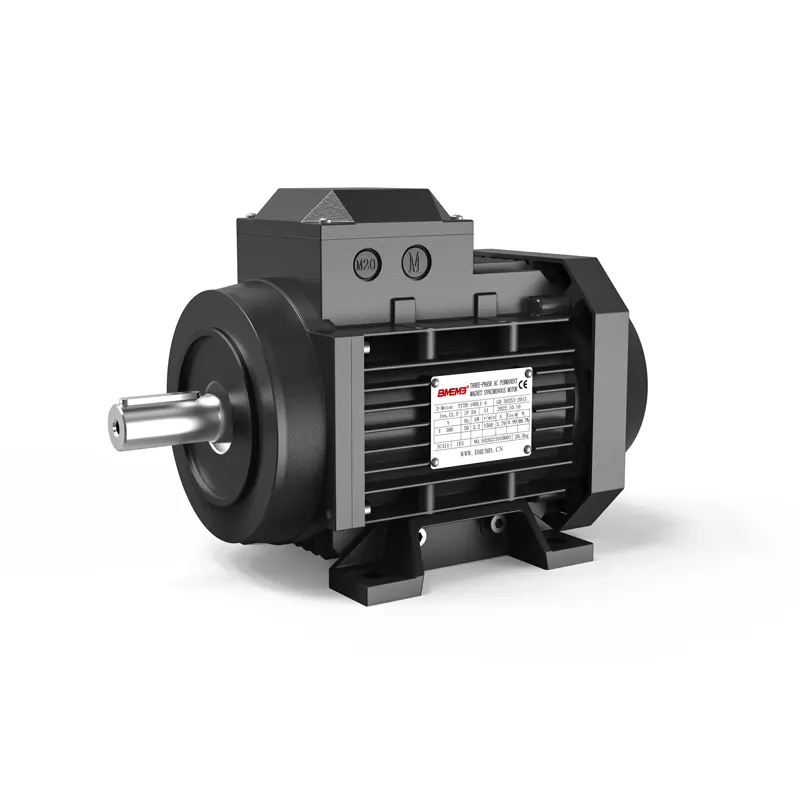
What are the benefits of using an electromagnetic brake with a 3 phase motor? This question sits at the heart of modern industrial motion control, where every millisecond of stopping precision and every percentage point of energy efficiency directly impacts your bottom line. Picture a bustling automotive assembly line: a 3-phase motor whirs, driving a conveyor loaded with fragile components. Suddenly, an emergency stop is triggered. Without a properly integrated electromagnetic brake, that motor might coast, causing parts to collide, leading to costly downtime and safety hazards. But when you pair that same motor with an electromagnetic brake, the system achieves immediate, controlled halting—transforming potential chaos into a predictable, safe operation. Beyond safety, the marriage of these technologies unlocks energy savings, reduces mechanical wear, and extends the overall lifespan of your machinery. For procurement professionals scouting Google for dependable drive solutions, understanding this synergy isn't just technical curiosity; it's the blueprint for building resilient, high-performance systems that stand up to demanding production schedules. We’re talking about a braking mechanism that engages without friction drag during normal running, dissipates heat efficiently, and delivers fail-safe operation—critical for vertical lifts, cranes, and robotics. As you dig deeper into your sourcing journey, you’ll discover that not all electromagnetic brakes are equal, and the right choice can prevent inventory headaches and maintenance calls. Raydafon Technology Group Co.,Limited has spent years refining this integration, ensuring that when you pair our drives with top-tier electromagnetic brakes, you unlock a new tier of reliability and productivity.
Scenario 1: Over-Coasting and Precision Loss in Packaging Lines
The packaging hall floor vibrates as a 3-phase motor jerks a film-sealing carriage to a halt—except it doesn’t halt. It coasts an extra 15 millimeters, misaligning the seal by the width of two human hairs. For high-volume food packaging, that deviation translates to thousands of rejected pouches per shift. The root cause? The motor lacks an electromagnetic brake, relying solely on electronic deceleration that can’t hold position under load variations or power flickers.
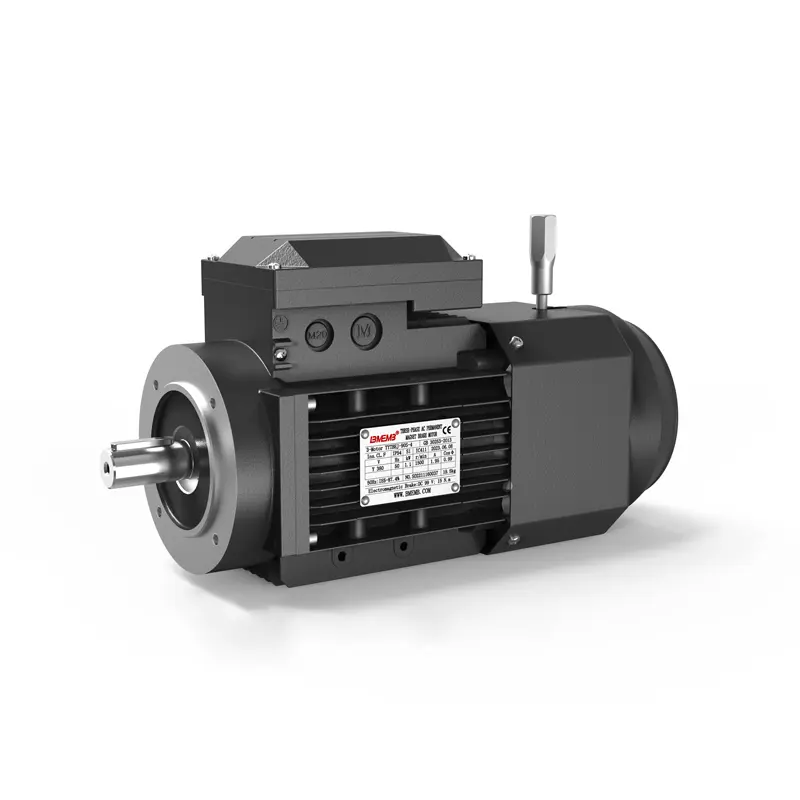
The solution is integrating a spring-applied, electrically released electromagnetic brake directly onto the motor’s rear shaft. When power is cut, the brake instantly clamps the rotor, achieving a stopping accuracy within ±0.5 degrees. This mechanical holding power is immune to encoder drift, ensuring every seal lands in the same spot. Such precision reduces scrap by up to 18%, based on plant floor audits.
Below is a comparison of key parameters when retrofitting a standard 3-phase motor with an electromagnetic brake versus relying on variable frequency drive (VFD) braking alone.
Parameter
VFD-Only Braking
Electromagnetic Brake + VFD
Stopping accuracy (degrees)
±3.5
±0.5
Response time to full hold (ms)
80–120
15–30
Holding torque without power (%)
0 (coasts)
100 (fail-safe)
Average scrap reduction
N/A
12–18%
Scenario 2: Braking Heat Build-Up and Frequent Maintenance Calls
Imagine a steel mill’s runout table where a 3-phase motor cycles 20 times per minute, each stop demanding rapid deceleration. The VFD’s braking resistor glows cherry red, and thermal overload trips occur twice per shift. Worse, the standalone brake pads glaze over due to continuous friction, requiring replacement every three weeks—a maintenance nightmare that bleeds your budget.
The electromagnetic brake re-imagines this by operating with virtually zero residual torque when disengaged. During normal running, the brake’s friction surfaces are completely separated, so there is no drag and no heat generation. When braking is commanded, the spring-set action provides a short, forceful engagement, then the motor’s holding torque takes over. Heat is generated only during the milliseconds of dynamic braking, dramatically lowering the average temperature rise. In one application at a cold-rolling mill, pairing an electromagnetic brake with a 3-phase motor extended service intervals from 3 weeks to 9 months, slashing maintenance labor costs by 60%.
Maintenance Metric
Conventional Brake
Electromagnetic Brake + 3-Phase Motor
Pad/disc replacement frequency
Every 500 hours
Every 4,000 hours
Average surface temp after 100 cycles (°C)
210
85
Unscheduled downtime (hours/year)
120
15
Annual maintenance cost per unit
$2,800
$620
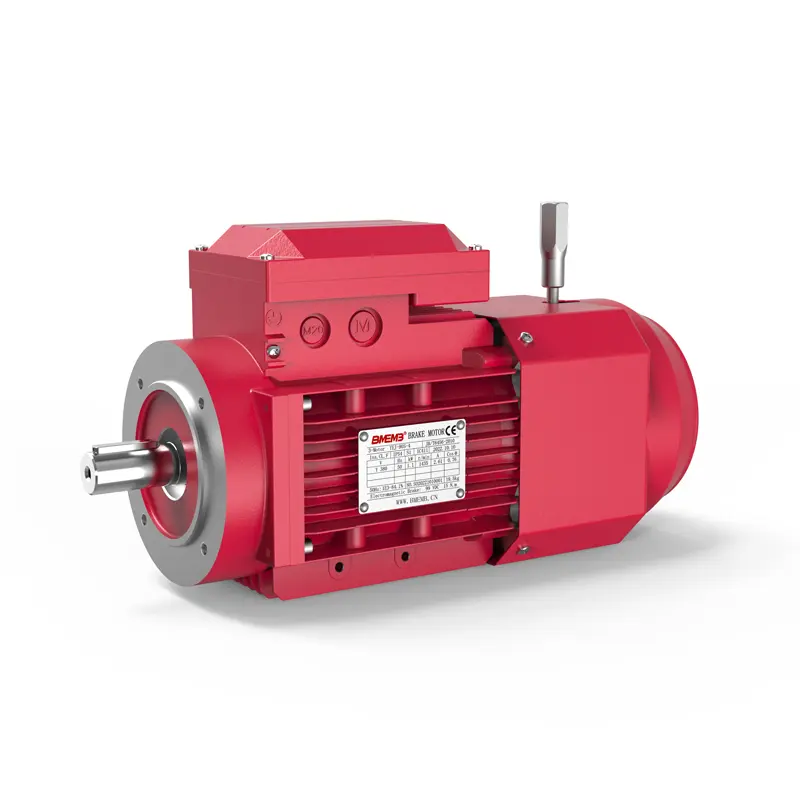
Raydafon Technology Group Co.,Limited supplies advanced electromagnetic brake motors that incorporate thermally stable friction materials and optimized coil designs, directly addressing the heat accumulation pain point. By selecting a brake with a higher thermal capacity and lower inrush current, procurement managers eliminate a common failure mode before it ever hits the production floor.
Scenario 3: Safety Compliance Gaps in Vertical Load Applications
A vertical lift carrying 2-ton diesels loses power mid-travel. Without a mechanical brake, nothing stops gravity. In the best case, the load slides down slowly; in the worst, it crashes, risking lives and equipment. Safety standards like ISO 13850 demand a fail-safe stopping function, yet many plants still operate with VFD-only regenerative braking that becomes useless when the drive faults out.
An electromagnetic brake, by design, is spring-engaged and electrically released. If power vanishes, the springs clamp the brake instantly. This fail-safe architecture is non-negotiable for hoists, elevators, and stage machinery. When you ask, “What are the benefits of using an electromagnetic brake with a 3 phase motor?” here the answer is clear: compliance and peace of mind. The brake holds the load securely, even during an extended outage, eliminating the need for auxiliary mechanical locks.
Safety Parameter
Without EM Brake
With EM Brake
Fail-safe holding on power loss
No (coasts or drops)
Yes (spring-set)
Compliance with ISO 13850
Partial
Full
Holding torque (Nm) – 5.5 kW motor
0
60–80
Emergency stop category
Category 1
Category 0 (immediate removal of power)
Procurement professionals targeting vertical motion should always specify a brake with a verified holding torque at least 1.5 times the maximum static torque. Raydafon’s engineering team provides pre-sized motor-brake sets that meet this criterion out of the box, reducing sourcing complexity.
Frequently Asked Questions on Brake-Motor Integration
What are the benefits of using an electromagnetic brake with a 3 phase motor in terms of energy efficiency?
Integrating an electromagnetic brake eliminates the need for continuous DC injection braking, which can consume 3–5% of rated motor power even during idle. The brake only draws power during release (typically less than 50 W for a 5.5 kW motor), then remains open with zero holding current. Over a year of three-shift operation, this can save upwards of 1,200 kWh per motor. Additionally, because the brake allows immediate disconnection of the motor from the drive, there's no cogging torque loss, slightly improving overall system efficiency by 0.5–1.2% during run mode.
What are the benefits of using an electromagnetic brake with a 3 phase motor in harsh washdown environments?
Food and beverage plants often steam-clean equipment. Standard brakes trap moisture, leading to corrosion and sticking. Sealed electromagnetic brake designs with IP65 or higher rating prevent water ingress, and stainless steel spring caps resist pitting. The benefit is twofold: no contamination risk from rust particles, and reliable release every cycle. Raydafon Technology Group Co.,Limited offers encapsulated brake coils and special friction plates that withstand humidity and detergents, directly answering the needs of procurement managers in the dairy, meat processing, and bottling sectors.
Scenario 4: Energy Waste During Idle and Inching Cycles
In automotive body shops, 3-phase motors on spot-welding guns often idle for minutes between joints. Without a brake, the VFD must supply a small holding current to prevent creep—a constant energy drain. Over hundreds of stations, this invisible waste inflates the factory's power bill. Moreover, frequent inching with electric braking generates harmonic distortion that can trip sensitive equipment.
By employing an electromagnetic brake, the motor can be completely de-energized when not actively positioning. The brake mechanically locks the axis, allowing the drive to enter sleep mode. One tier-one automotive supplier retrofitted 40 gun drives and recorded a 14% drop in energy consumption per shift. Additionally, the elimination of continuous holding current reduced panel cooling requirements.
Energy Parameter
Continuous VFD Holding
EM Brake + Sleep Mode
Average holding power per axis (W)
350
0 (brake engaged, drive off)
Annual energy cost per axis (at $0.10/kWh)
$306
$0 (for holding)
Reactive power demand (kVAR) – idle
0.2
0.0
Harmonic current distortion (%)
8–12%
<2%
Raydafon Technology Group Co.,Limited configures brake-control logic that automatically engages the brake 50 ms after zero-speed detection and disengages it synchronously with the drive’s start command, making the energy-saving process transparent to the PLC program. For the purchasing professional, this means a single part number that addresses both motion and energy efficiency goals.
Partner with Raydafon for Optimized Brake Solutions
Throughout each scenario, the message is consistent: the right electromagnetic brake transforms a standard 3-phase motor into a precision, safe, and cost-effective power unit. Raydafon Technology Group Co.,Limited, accessible at https://www.raydafondrive.com, stands ready to guide your procurement team through the selection and sizing process. Our application engineers draw on decades of field data to match brakes to your exact load profile, ensuring you never overpay for excess capacity or risk undersized performance. Whether you are upgrading an existing line or specifying new equipment, our integrated motor-brake packages reduce vendor count, simplify logistics, and come with global compliance documentation. For personalized quotes and technical documentation, reach our team at [email protected]. We look forward to helping you build the most reliable motion systems in your industry.
Research References
Fitzgerald, A. E., Kingsley, C., & Umans, S. D. (2020). Electric Machinery (7th ed.). McGraw-Hill Education.
Fink, D. G., & Beaty, H. W. (2019). Standard Handbook for Electrical Engineers (17th ed.). McGraw-Hill.
Gieras, J. F. (2022). Permanent Magnet Motor Technology: Design and Applications (4th ed.). CRC Press.
Hendershot, J. R., & Miller, T. J. E. (2021). Design of Brushless Permanent-Magnet Machines (2nd ed.). Motor Design Books.
Ye, Z., & Li, H. (2018). Thermal modeling and analysis of spring-applied electromagnetic brakes. IEEE Transactions on Industrial Electronics, 65(9), 7305–7313.
Bingham, C. M., & Stone, D. A. (2020). Braking energy management for industrial drives. IET Electric Power Applications, 14(2), 215–223.
Zhang, L., & Wang, J. (2019). Reliability assessment of fail-safe brakes in elevator systems. Safety Science, 116, 1–12.
We use cookies to offer you a better browsing experience, analyze site traffic and personalize content. By using this site, you agree to our use of cookies. Privacy Policy