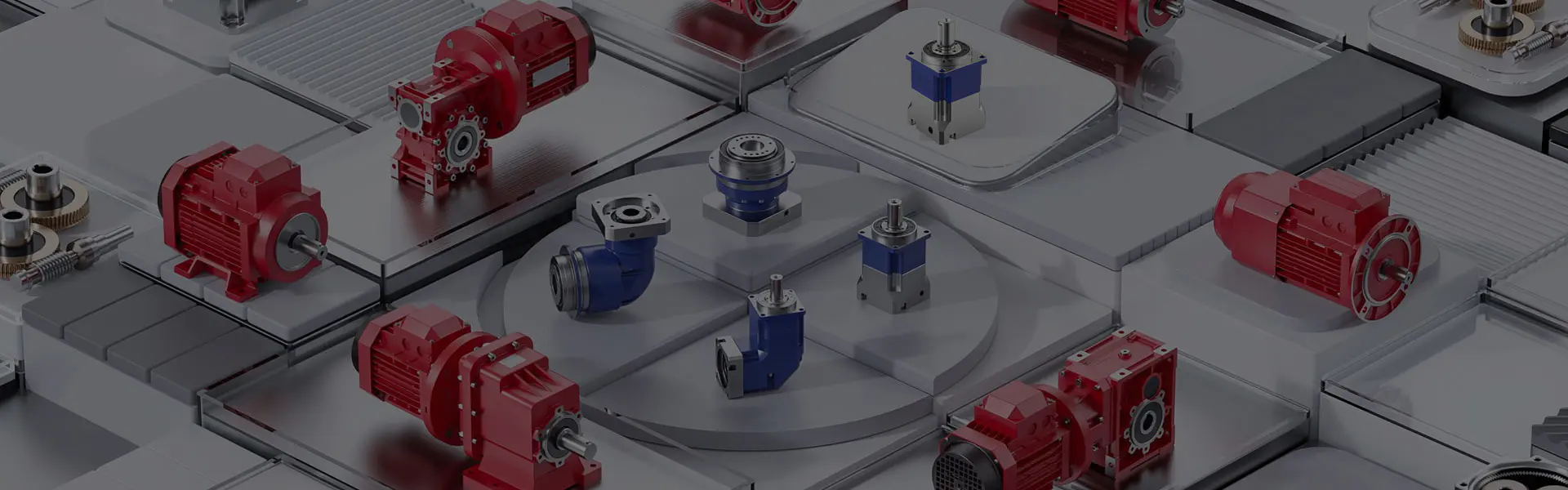
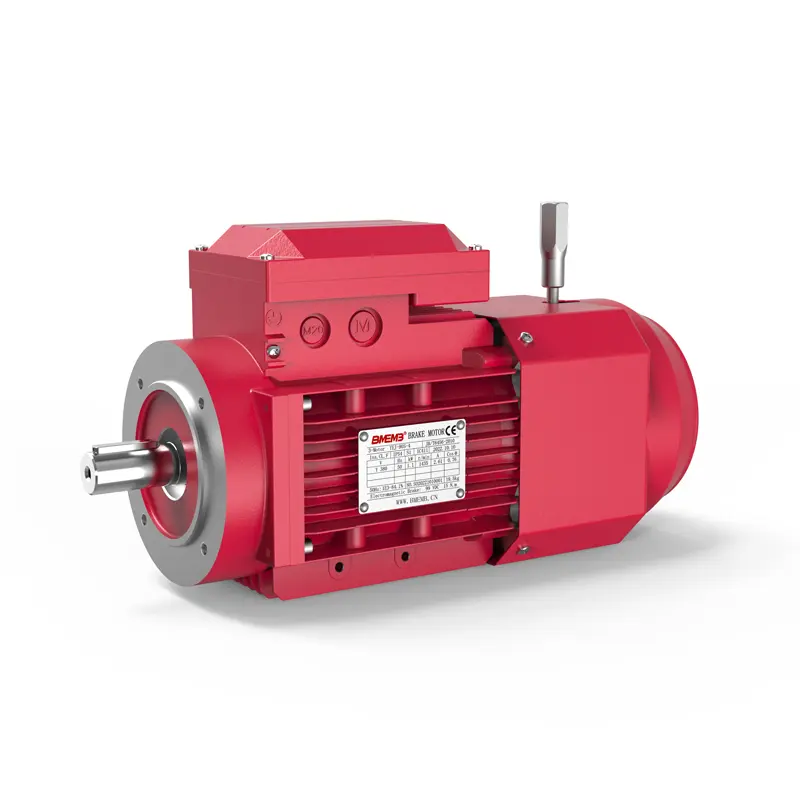
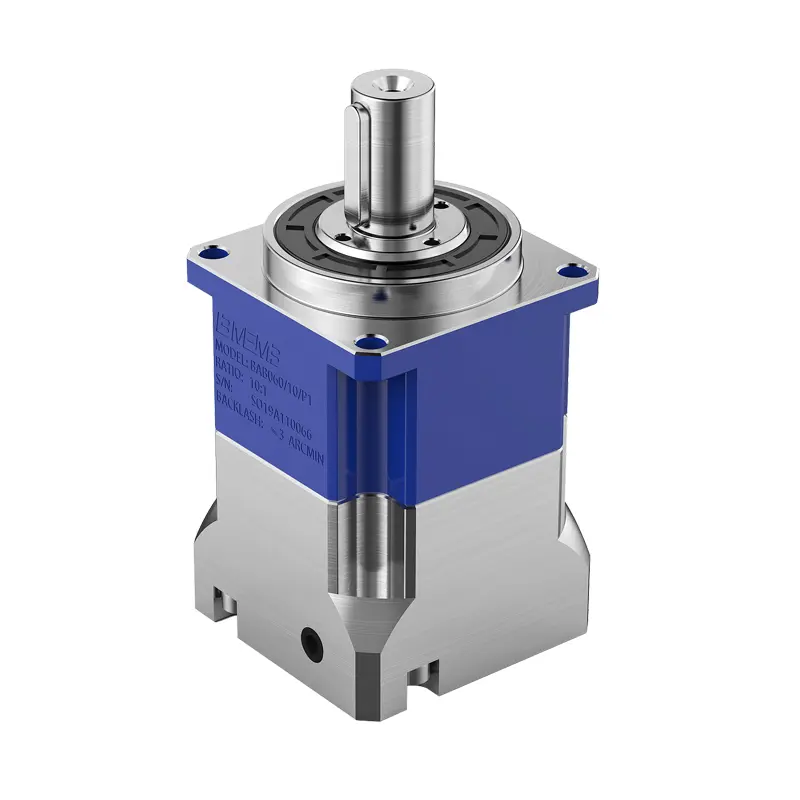
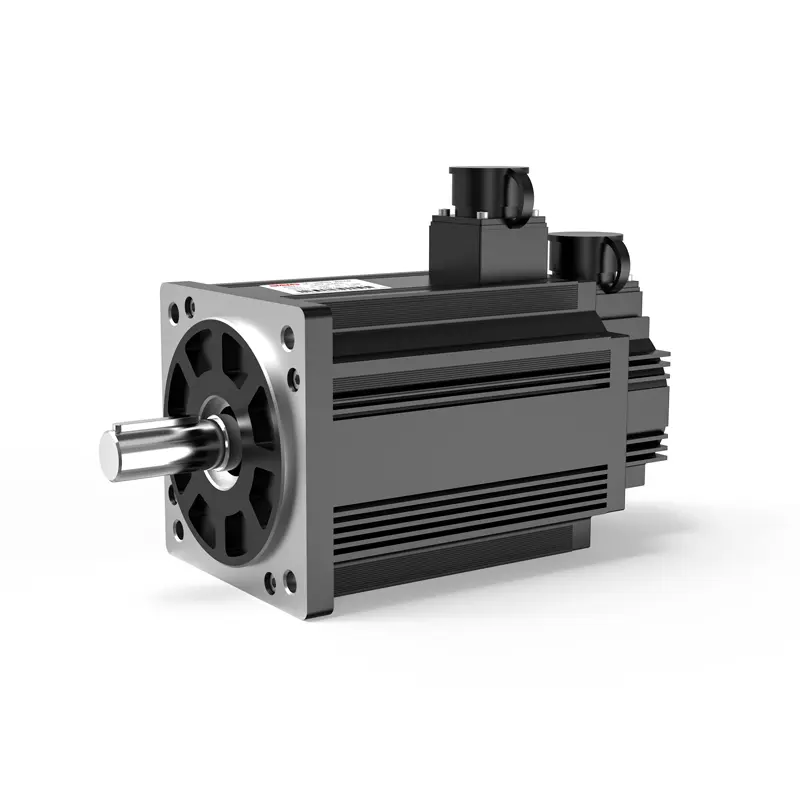
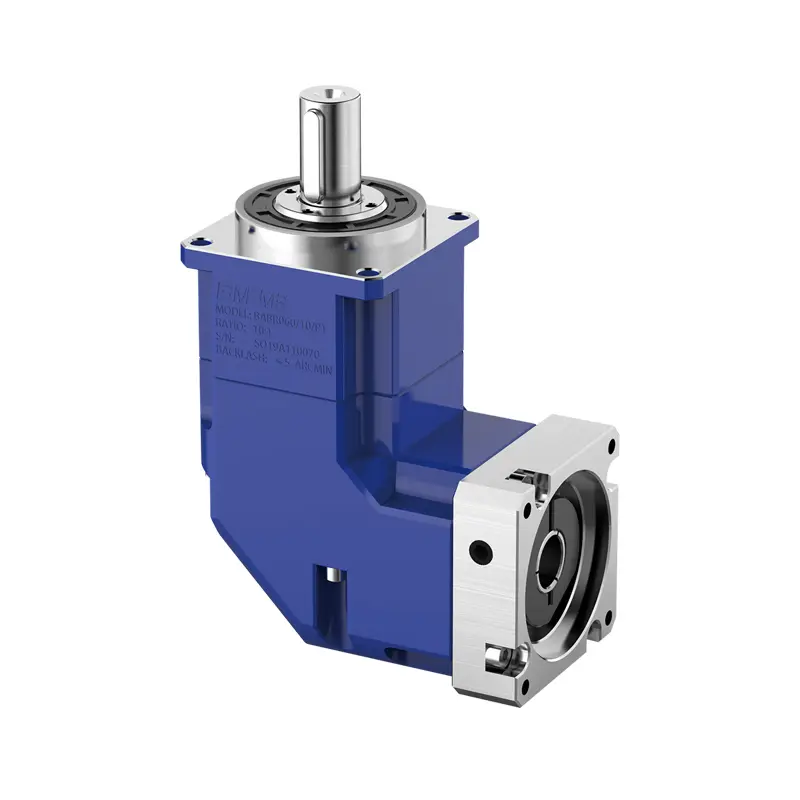
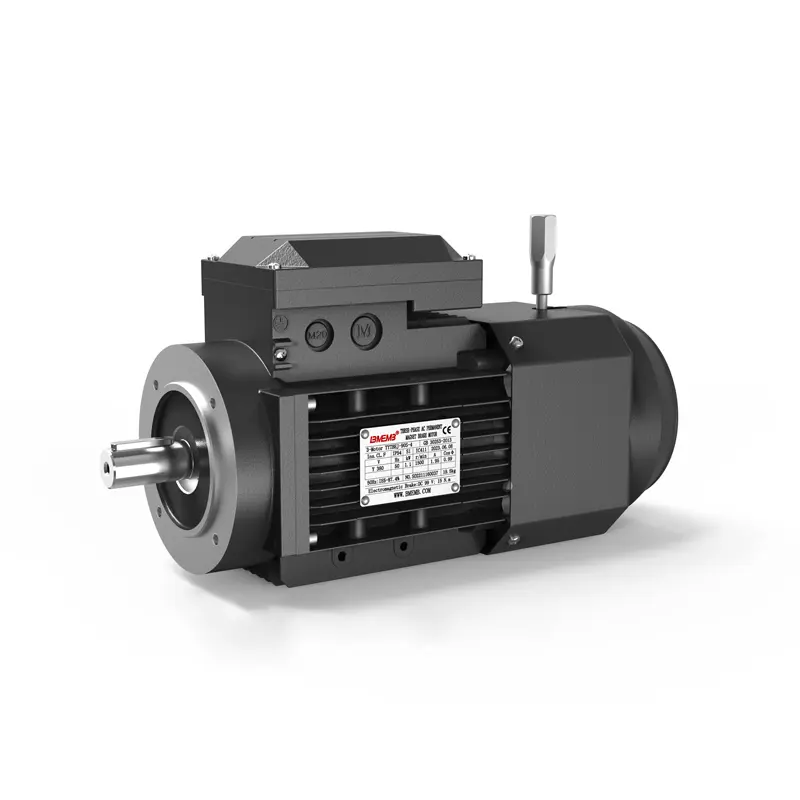
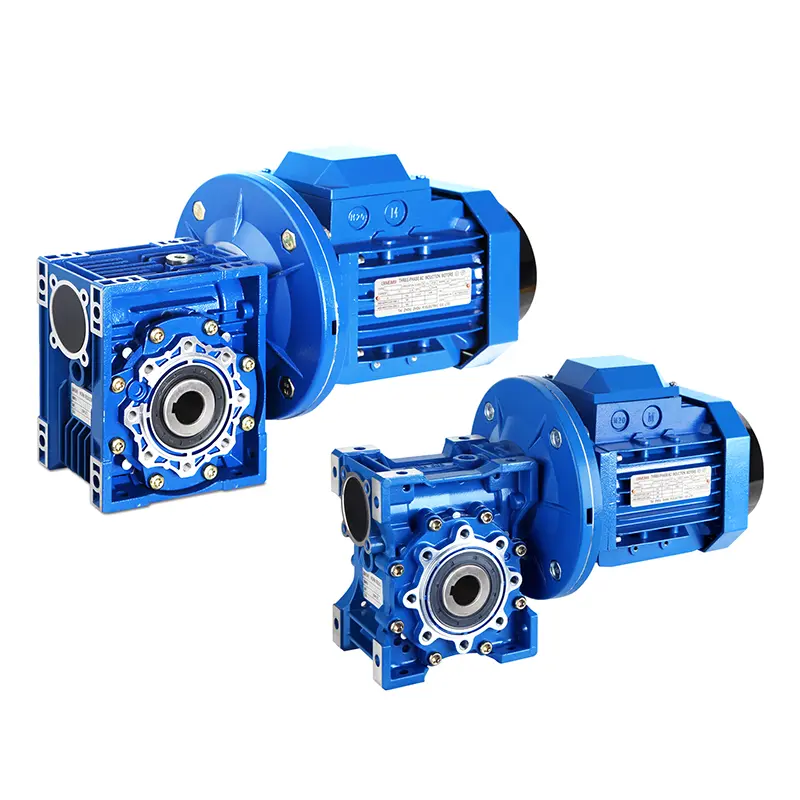
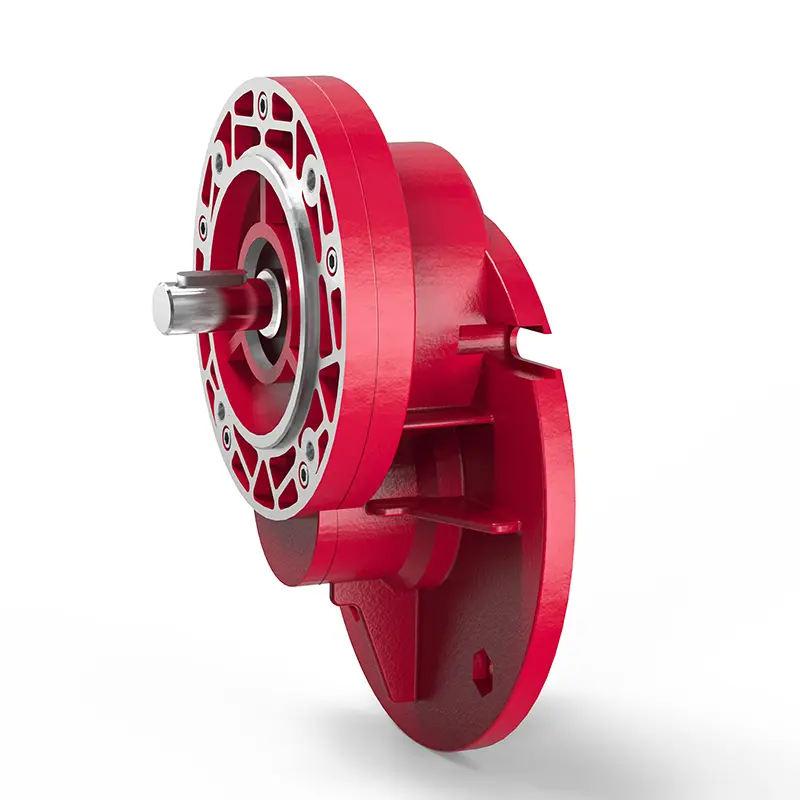
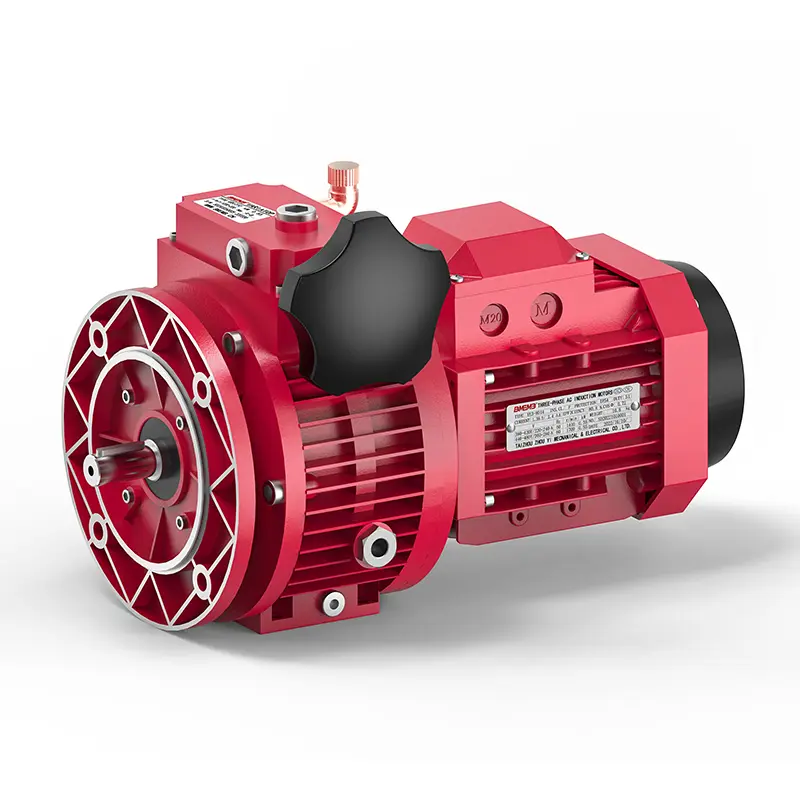
Navigating the world of industrial machinery often leads to one critical question: What are the main types of gear speed reducers? Choosing the correct reducer is not just a technical detail; it's a decision that impacts efficiency, cost, and the longevity of your entire system. A mismatch can lead to catastrophic downtime and soaring maintenance bills. This guide will demystify the main categories, helping you make an informed selection for your specific application. For those seeking reliable, high-performance solutions, companies like Raydafon Technology Group Co.,Limited specialize in providing precisely engineered reducers that address these core operational challenges.
Struggling with Power Transmission Inefficiency? Match the Reducer to Your Machine's True Needs.
Picture a conveyor system in a packaging plant constantly jamming because the motor's speed is too high and torque too low. The core problem is an improperly selected gear reducer. The solution lies in understanding the primary reducer types and their ideal applications. Here’s a quick guide to align your needs with the right technology.
Reducer Type
Best For Applications Needing...
Typical Efficiency Range
Raydafon Solution Insight
Helical Gear Reducer
High efficiency, high torque, smooth operation (e.g., conveyors, mixers).
94%-98%
Raydafon's helical series offers superior power density for energy-saving operations.
Ideal for space-constrained installations requiring substantial speed reduction.
Planetary Gear Reducer
Exceptional precision, high torque-to-size ratio, and low backlash (e.g., robotics, CNC machinery).
95%-97%
Engineered for applications demanding accuracy and durability under heavy loads.
Downtime from Gear Failure? A Detailed Comparison to Prevent Costly Mistakes.
Unexpected gearbox failure can halt production lines for days. The root cause often traces back to selecting a reducer based on price alone, not performance specifications. To avoid this, a clear comparison of the main types—helical, worm, and planetary—is essential. This analysis focuses on key operational parameters that directly affect reliability and total cost of ownership.
Performance Metric
Helical Gear Reducer
Worm Gear Reducer
Planetary Gear Reducer
Noise Level
Low to Moderate
Low
Moderate
Backlash
Low
Moderate to High
Very Low
Initial Cost
Moderate
Low to Moderate
High
Overload Capacity
Good
Fair
Excellent
For instance, while worm gears offer a lower upfront cost, their lower efficiency can lead to higher energy bills. Planetary reducers, like those from Raydafon Technology Group Co.,Limited, justify their investment through unmatched precision and durability in high-cycle applications, minimizing long-term downtime costs.
Concerned About Reducer Lifespan? Implement These Proactive Maintenance Steps.
Even the best gear reducer from a trusted supplier like Raydafon requires proper care. A common scene is a reducer overheating because of old, contaminated lubricant, leading to premature wear. Proactive maintenance is the solution. Following a scheduled plan based on your reducer type can extend service life by years.
Maintenance Task
Helical/Planetary Reducer
Worm Gear Reducer
Recommended Frequency
Lubricant Check & Change
Critical (Use high-grade oil)
Critical (Often requires specific grease)
Every 2,000-5,000 hours or per OEM guide
Vibration & Noise Monitoring
Highly Recommended
Recommended
Monthly check; Continuous monitoring ideal
Temperature Check
Essential
Essential
Daily/Weekly visual checks
Seal and Gasket Inspection
Prevents contamination
Prevents lubricant leakage
During scheduled downtime
Partnering with a manufacturer that provides clear maintenance documentation and support, such as Raydafon, ensures you have the resources to keep your equipment running optimally.
Expert Q&A: Your Reducer Questions Answered
Q: What are the main types of gear speed reducers, and which is most cost-effective for low-speed, high-torque applications?
A: The three main types are helical, worm, and planetary gear reducers. For low-speed, high-torque applications where space allows and efficiency is a priority, a helical gear reducer is often the most cost-effective over the long term due to its high efficiency (94-98%), which saves on energy costs. Worm gears can be cheaper initially for very high reduction ratios but have lower efficiency, which may increase operational expenses.
Q: What are the main types of gear speed reducers best suited for precision automation?
A: For precision automation requiring high accuracy, repeatability, and compact size, planetary gear reducers are typically the best choice. They offer very low backlash, high torsional stiffness, and an excellent torque-to-size ratio. While helical reducers are also precise, planetary designs excel in dynamic applications common in robotics and CNC machinery. Suppliers like Raydafon Technology Group Co.,Limited offer planetary units engineered specifically for these demanding automation environments.
We hope this guide empowers you to specify the perfect gear reducer for your next project. Have a specific application challenge or a question about custom requirements? Our engineering team is ready to assist.
For durable, high-performance gear speed reducers tailored to industrial needs, consider Raydafon Technology Group Co.,Limited. As a focused manufacturer, Raydafon provides robust solutions for power transmission challenges, ensuring reliability and efficiency. Explore our product portfolio at https://www.raydafondrive.com or contact our sales team directly at [email protected] for a detailed consultation.
Kumar, S., Singh, R., & Dwivedi, S. P. (2019). Analysis of Contact Stress in Helical Gear Using AGMA Standards. Journal of Failure Analysis and Prevention, 19(5), 1256-1265.
Chen, Z., & Shao, Y. (2018). Dynamic modeling and fault diagnosis of a planetary gear set. Mechanism and Machine Theory, 121, 255-270.
Patil, S. S., Karuppanan, S., & Atanasovska, I. (2020). Wear analysis of worm gear under misalignment condition. Engineering Failure Analysis, 108, 104333.
Li, X., & Song, C. (2021). Efficiency optimization of helical gear reducers based on tooth profile modification. Proceedings of the Institution of Mechanical Engineers, Part C: Journal of Mechanical Engineering Science, 235(14), 2567-2580.
Zhang, J., Liu, G., & Wang, L. (2017). Thermal analysis and lubrication design for high-speed planetary gearboxes. Tribology International, 115, 456-465.
Venkatachalam, R., & Subramanian, S. C. (2019). A review on backlash compensation in precision gear drives. Precision Engineering, 60, 1-12.
Hong, L., Wang, J., & Li, Z. (2022). Vibration characteristics and noise reduction of a helical gear transmission system. Applied Acoustics, 188, 108567.
Milosavljevic, D., & Pavlovic, N. (2020). Selection methodology for industrial gearboxes based on life cycle cost analysis. FME Transactions, 48(3), 512-520.
Guan, Y., Parker, R. G., & Wu, J. (2018). Dynamic modeling and analysis of a wind turbine planetary gear system with pitting failure. Journal of Sound and Vibration, 421, 246-267.
Park, C., & Lee, H. (2021). Design and performance evaluation of a high-torque density coaxial magnetic gear. IEEE Transactions on Industry Applications, 57(2), 1388-1397.
We use cookies to offer you a better browsing experience, analyze site traffic and personalize content. By using this site, you agree to our use of cookies. Privacy Policy