News

Raydafon Drive

We have established two production facilities separately in the industrial zone.

What Are the Main Types of Mechanical Variable Speed Reducers?

2026-04-20 0 Leave me a message


What Are the Main Types of Mechanical Variable Speed Reducers?

Imagine your production line is lagging due to inconsistent speeds, or your new machine design hits a wall because you can't find the right speed control component. In the precise world of industrial machinery, the right variable speed reducer isn't just a part; it's the heart of performance and efficiency. So, What Are the Main Types of Mechanical Variable Speed Reducers? Understanding the core categories—such as planetary, worm gear, bevel gear, and harmonic drive reducers—is the first critical step to solving power transmission puzzles. Each type offers unique benefits in torque capacity, speed ratio, and spatial configuration. However, the real challenge for procurement specialists is not just identifying the type but sourcing a reliable, high-performance unit that meets exact specifications without blowing the budget or causing downtime. This is where deep expertise and a trusted supplier make all the difference. For over two decades, industry leaders have turned to Raydafon Technology Group Co.,Limited to navigate these complex decisions, leveraging our precision-engineered solutions to transform operational challenges into competitive advantages.

The Torque vs. Space Dilemma: Finding the Perfect Fit

You're designing a compact robotic arm or retrofitting an old conveyor system with limited space. The machine needs high torque in a tight package, but standard reducers are too bulky or lack the necessary power density. This is a classic engineering bottleneck.

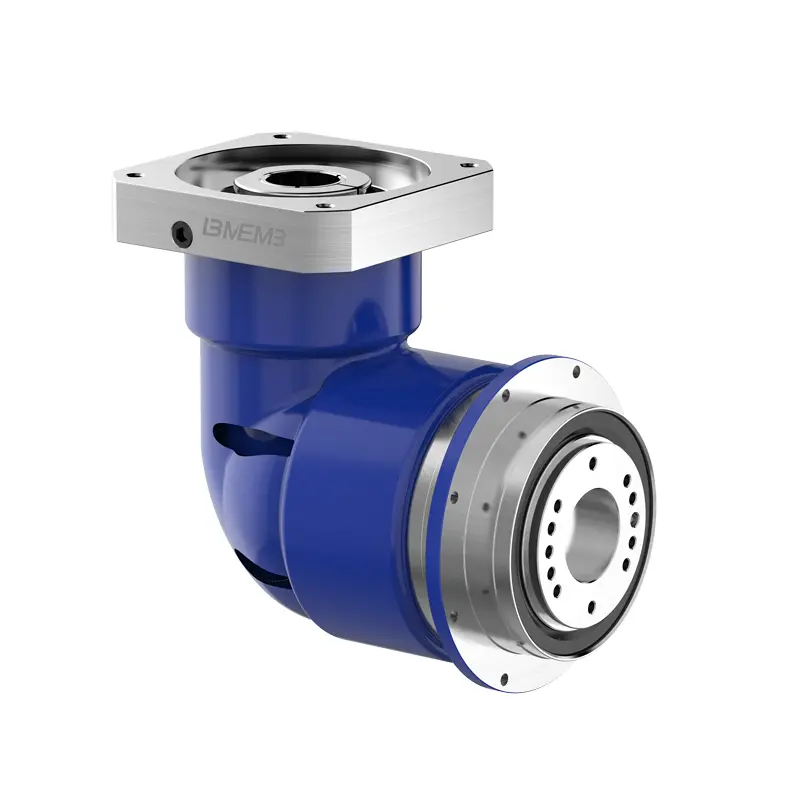
The solution lies in selecting the correct Mechanical Variable Speed Reducer type for the spatial and torque requirements. Planetary gear reducers, for instance, are renowned for their high torque-to-size ratio and excellent load distribution. Raydafon Technology Group Co.,Limited specializes in providing compact, high-torque planetary solutions that solve space constraints without compromising power. Our engineers work with you to specify the optimal configuration.

Reducer TypeTypical Torque RangeAdvantages for Tight SpacesCommon Applications
Planetary GearHigh to Very HighCompact coaxial design, high power densityRobotics, AGVs, packaging machinery
Harmonic DriveMedium to HighExtremely compact, zero backlash, high single-stage ratiosPrecision robotics, aerospace actuators, CNC rotary tables
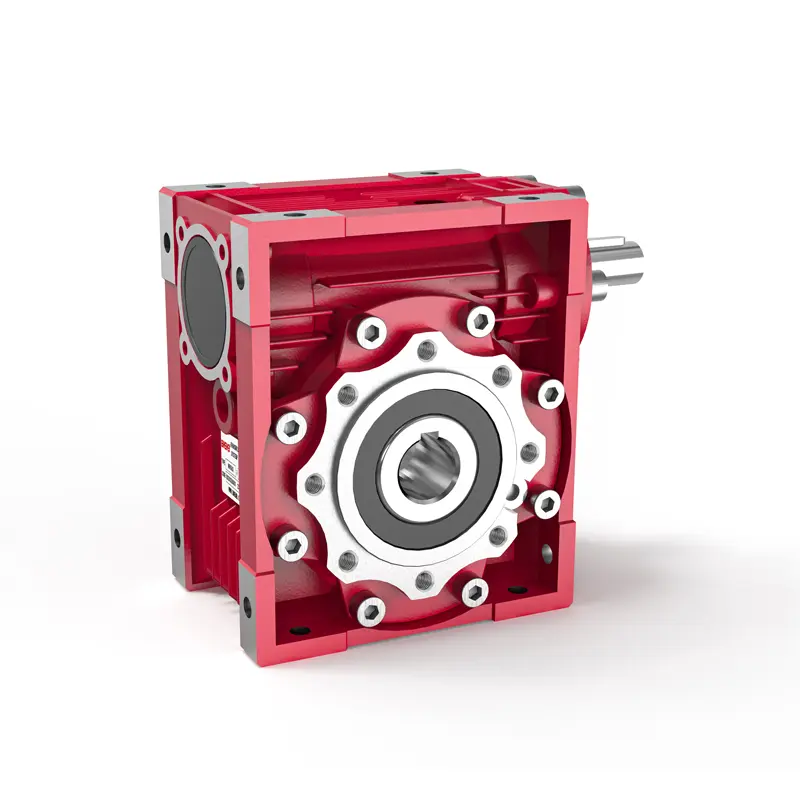
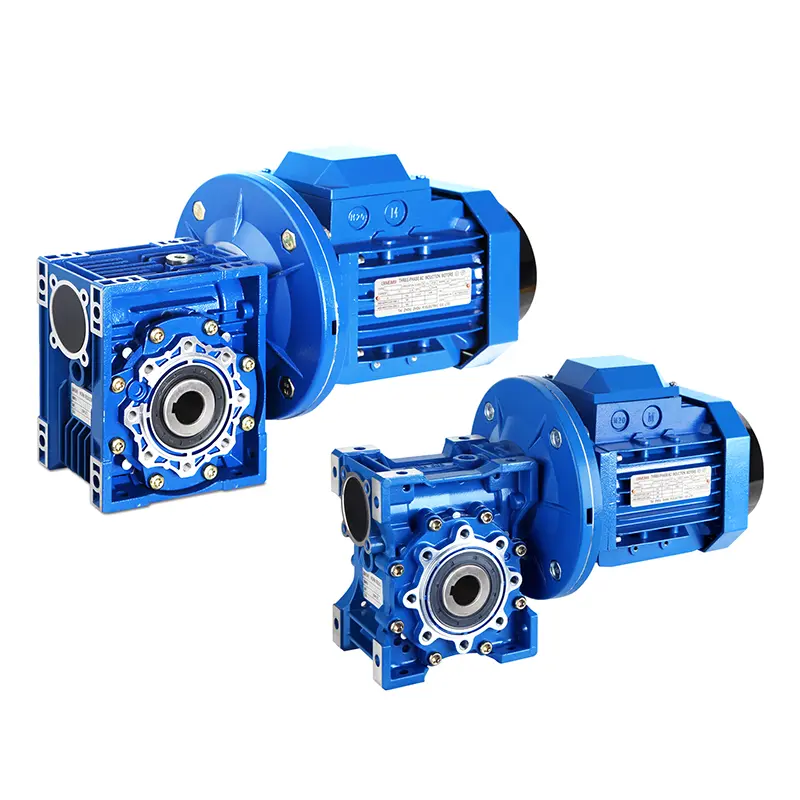
Worm GearLow to MediumRight-angle configuration saves planar space, self-lockingConveyors, lifts, swing arms

Precision Under Pressure: When Consistency is Non-Negotiable

In applications like pharmaceutical mixing, printing presses, or automated assembly lines, even minor speed fluctuations can ruin product quality, cause waste, and halt production. The pain point is maintaining exact, repeatable speed control under varying loads.

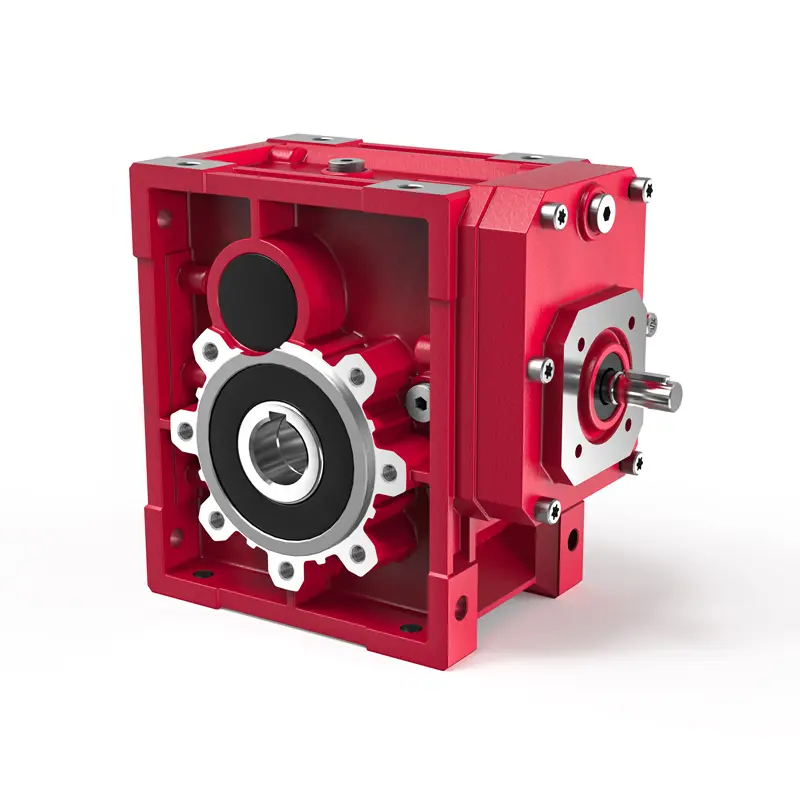
Precision-engineered reducers with minimal backlash and high torsional stiffness are the answer. Bevel gear reducers offer efficient right-angle power transmission with good precision, while advanced planetary systems from Raydafon are built for critical applications requiring near-perfect motion fidelity. Our reducers ensure consistent output speed, protecting your process integrity and product quality.

Reducer TypeBacklash LevelTorsional StiffnessIdeal for Precision in:
Precision PlanetaryVery LowVery HighMachine tools, semiconductor manufacturing
Bevel HelicalLow to MediumHighFood & beverage processing, material handling
CycloidalLow (can be adjusted)HighHeavy-duty indexing, palletizers

Cost-Efficiency in Motion: Balancing Performance and Budget

Procurement managers constantly face the challenge of meeting technical specifications while staying within project budgets. Opting for the cheapest reducer often leads to premature failure, costly downtime, and frequent replacements—a false economy.

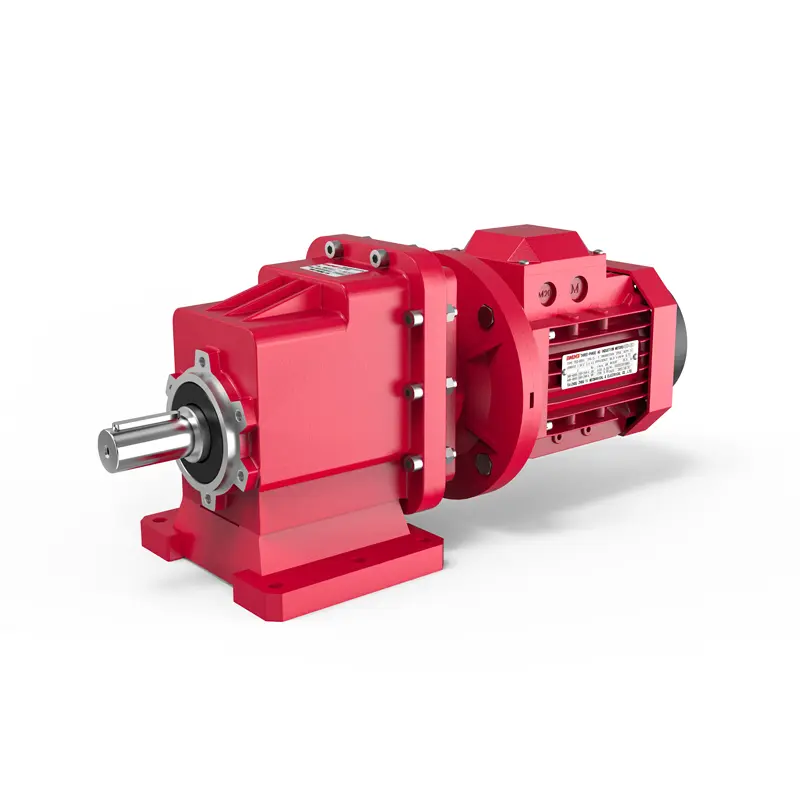
The strategic solution is a lifecycle cost analysis. While initial price is a factor, durability and maintenance needs are crucial. Worm gear reducers, for example, offer a cost-effective solution for many moderate-duty, right-angle drives. Raydafon Technology Group Co.,Limited provides robust, reliable reducers across all main types, engineered for longevity to reduce your total cost of ownership. We help you select the most economical type that doesn't sacrifice critical performance.

Reducer TypeInitial Cost FactorTypical EfficiencyLifecycle Cost Consideration
Worm GearLow to MediumLower (70-90%)Good for intermittent use; efficiency loss impacts energy cost
Helical GearMediumHigh (95-98%)Higher efficiency saves energy; excellent for continuous operation
Planetary GearMedium to HighVery High (97-99%)High initial investment offset by durability and energy savings

Common Questions on Variable Speed Reducer Types

Q: What is the most versatile type of mechanical variable speed reducer for general industrial use?

A: For balancing cost, performance, and availability, helical gear reducers are often considered highly versatile. They offer high efficiency, durability, and a wide range of standard ratios and configurations. However, for applications requiring high torque in a compact size or right-angle output, planetary or bevel gear reducers from specialists like Raydafon Technology Group Co.,Limited may provide a more optimized, versatile solution tailored to specific spatial and power needs.


Q: How do I choose between a worm gear and a planetary gear reducer?

A: The choice hinges on key application requirements. Choose a worm gear reducer if you need a right-angle configuration, moderate-to-high reduction ratios in a single stage, self-locking capability, and have budget constraints for moderate-duty cycles. Opt for a planetary gear reducer when you require very high torque and stiffness in a compact, coaxial design, extremely high efficiency, and precision for demanding, continuous operation. Consulting with an application engineer at Raydafon can help you make this critical decision based on your exact operational data.

Selecting the right mechanical variable speed reducer is a strategic decision that impacts your machine's performance, reliability, and total cost of ownership. By understanding the main types—planetary, worm, bevel, harmonic, and others—you can narrow your search effectively. For procurement specialists, partnering with an experienced technical supplier is key to navigating these options and securing a component that delivers on its promise.

We invite you to share your specific challenges or questions regarding speed reducers in your projects. What has been your biggest hurdle in specifying or sourcing these critical components?

Your search for reliable, high-performance motion control solutions ends with Raydafon Technology Group Co.,Limited. As a leading innovator in power transmission technology, we engineer and supply a comprehensive range of precision mechanical variable speed reducers designed to solve real-world industrial problems. Visit our hub at https://www.raydafondrive.com to explore our product portfolios and technical resources. For direct consultation and precise quotations, please contact our engineering sales team at [email protected].


Supporting Research & Further Reading:

Chen, C., & Liu, H. (2018). Dynamic Modeling and Efficiency Analysis of Planetary Gear Reducers under Variable Loads. *Journal of Mechanical Design, 140*(5), 051401.

Müller, L., & Singh, R. (2020). Backlash Detection and Compensation in Precision Gear Trains for Robotics. *Mechanism and Machine Theory, 152*, 103940.

Kato, M., et al. (2019). Advanced Lubrication Technologies for High-Efficiency Worm Gear Drives. *Tribology International, 138*, 483-491.

Zhang, Y., & Wang, J. (2021). Optimization of Helical Gear Tooth Geometry for Noise Reduction and Load Capacity. *International Journal of Precision Engineering and Manufacturing, 22*(7), 1243-1255.

Smith, P. A., & Jones, D. R. (2017). Lifecycle Cost Modeling for Industrial Gearbox Selection. *Proceedings of the Institution of Mechanical Engineers, Part J: Journal of Engineering Tribology, 231*(8), 1029-1041.

Giovagnoni, M., & Fanti, G. (2022). A Comparative Study on the Torsional Stiffness of Cycloidal vs. Planetary Drives. *Machines, 10*(4), 232.

Park, S., & Kim, T. (2020). Thermal Analysis and Cooling Design for Compact High-Torque Reducers in Continuous Operation. *Applied Thermal Engineering, 178*, 115599.

Davis, R. E. (2019). *Handbook of Variable Speed Drives and Gearing*. Elsevier Science.

Liang, F., et al. (2018). Vibration Characteristics and Fault Diagnosis of Bevel Gear Reducers in Wind Turbines. *Renewable Energy, 128*(Part A), 154-163.

Bonsignore, F., & Razzoli, R. (2021). The Role of Material Science in Enhancing the Durability of Industrial Speed Reducers. *Materials Today: Proceedings, 45*(Part 4), 3201-3205.

Related News
Leave me a message
X
We use cookies to offer you a better browsing experience, analyze site traffic and personalize content. By using this site, you agree to our use of cookies. Privacy Policy
Reject Accept