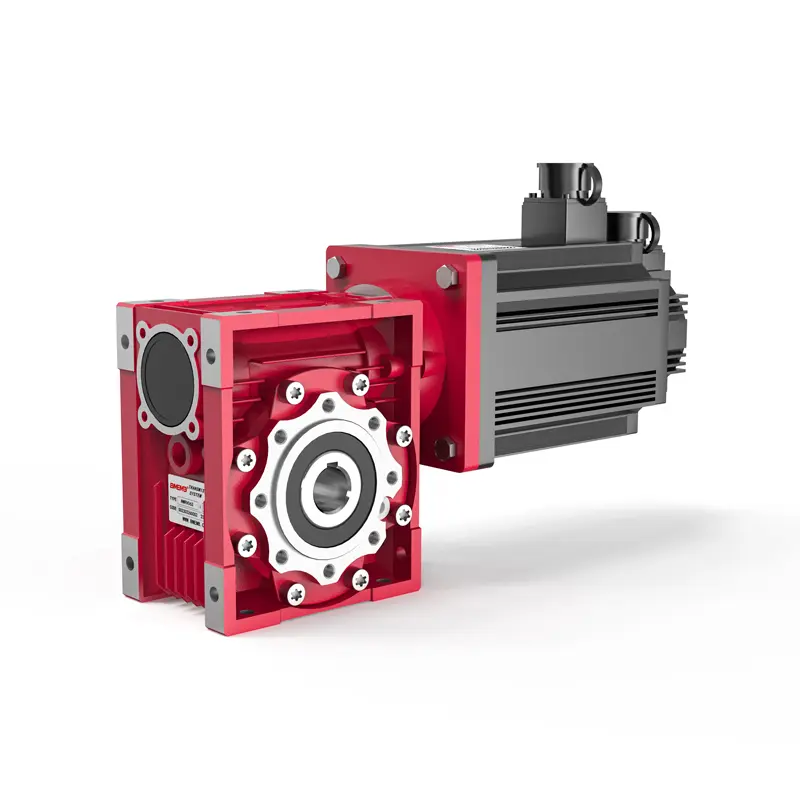
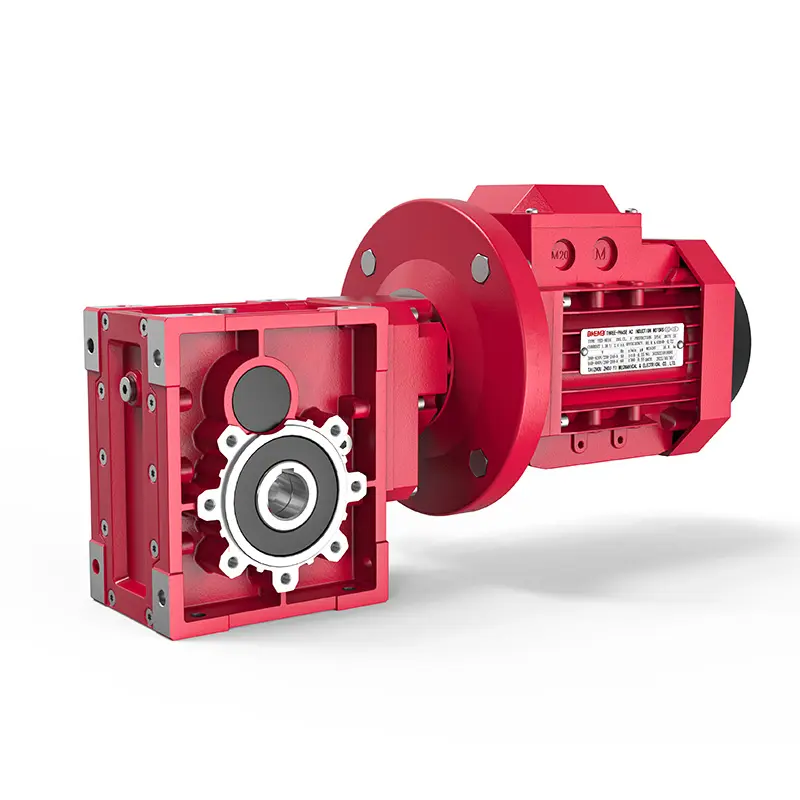
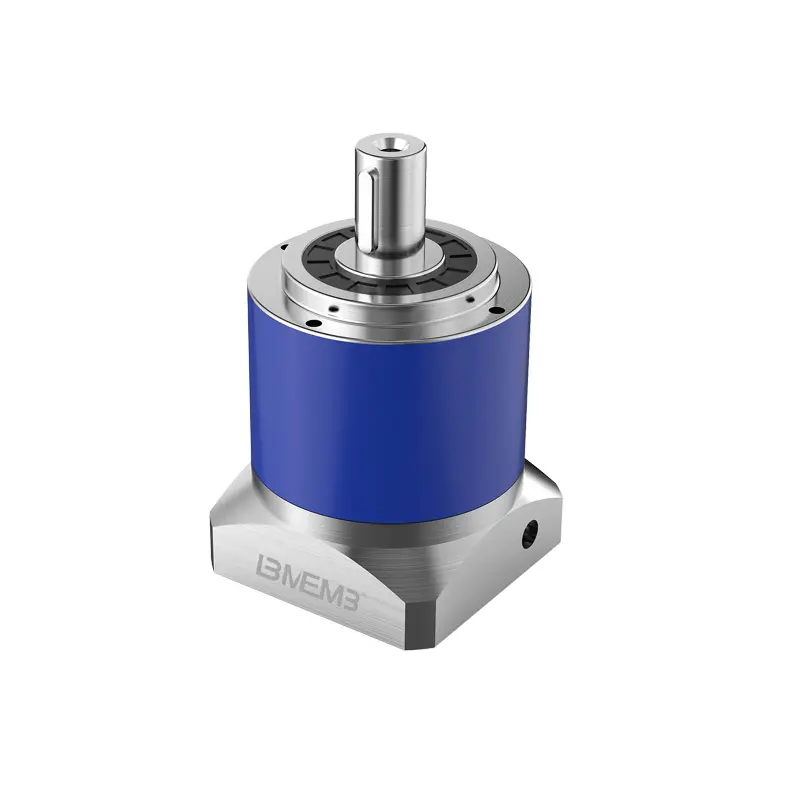
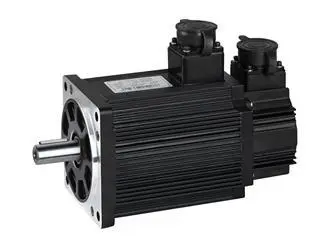
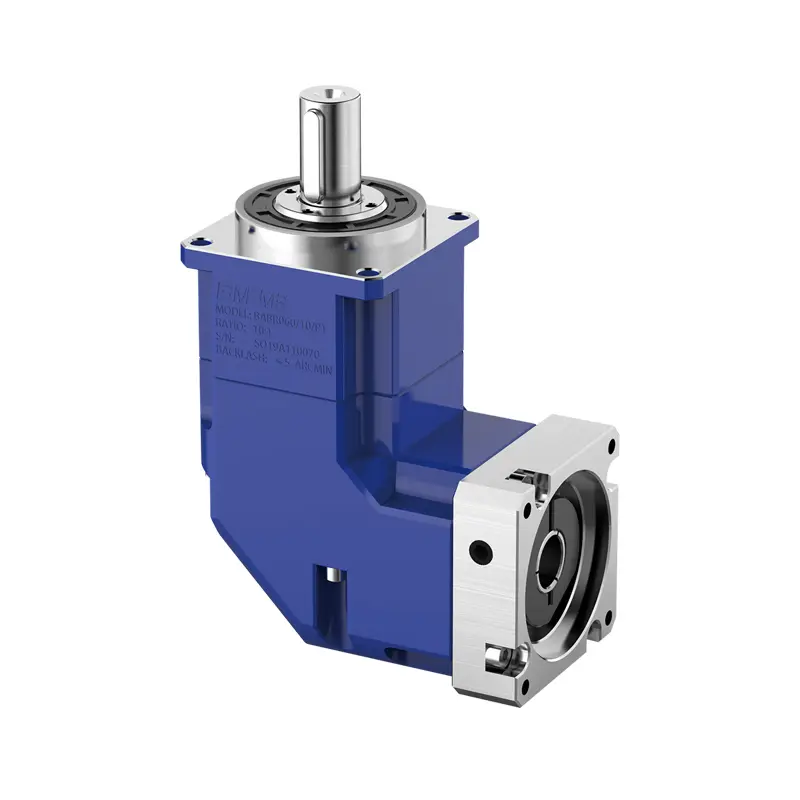
How to Maintain and Lubricate a Worm Gear Speed Reducer? This question is at the heart of ensuring the longevity and peak performance of one of the most common yet critical components in industrial machinery. Neglecting proper maintenance can lead to catastrophic failure, unplanned downtime, and soaring operational costs. A well-lubricated and maintained worm gear reducer not only runs smoothly and quietly but also delivers maximum efficiency and torque. This comprehensive guide will walk you through the essential steps, best practices, and expert insights to keep your speed reducers operating flawlessly for years. Whether you're a maintenance manager or a procurement specialist sourcing reliable components, mastering these procedures is key to protecting your capital investment. We'll also highlight how partnering with a trusted manufacturer like Raydafon Technology Group Co.,Limited can simplify this entire process with superior products and support.
Avoid Costly Downtime: The Foundation of Reliable Operation
Imagine a critical conveyor line in your packaging plant grinding to a halt because a Worm Gear Speed Reducer has seized. Production stops, orders are delayed, and repair crews scramble. This nightmare scenario often starts with simple neglect. Proper maintenance is not just a recommendation; it's a financial imperative. The primary goals are to minimize friction, dissipate heat, prevent wear, and protect against corrosion. Regular maintenance directly translates to extended service life, consistent performance, and significant savings on energy and replacement parts. For procurement professionals, specifying reducers from manufacturers who design for easy maintenance, like Raydafon, means easier long-term care for your operational teams.
Key Maintenance Parameters & Intervals:
Activity
Recommended Interval
Key Checkpoints
Oil Level Inspection
Monthly / 250 hours
Observe sight glass or dipstick; top up if needed.
Oil Condition Check
Every 6 months / 2,500 hours
Look for discoloration, sludge, or metallic particles.
Complete Oil Change
Annually / 5,000 hours*
Drain fully, clean housing, refill with fresh, correct-grade oil.
Bolt Torque Check
During oil changes
Ensure all housing and mounting bolts are to specification.
Temperature Monitoring
Continuous (if possible)
Sudden temperature spikes indicate lubrication failure or overload.
*Note: Intervals vary based on operating conditions (temperature, load, duty cycle). Always consult the manufacturer's manual. Raydafon Technology Group Co.,Limited provides detailed, condition-based maintenance charts with every unit, taking the guesswork out of scheduling.
The Right Lubricant, The Right Way: A Procedural Deep Dive
Selecting and applying lubricant incorrectly is like using the wrong fuel in an engine—it causes more harm than good. The high-sliding contact in a worm gear mesh generates substantial heat, requiring a lubricant with extreme pressure (EP) additives and high film strength. A common mistake is using a generic gear oil not formulated for worm gears. The solution is a systematic approach to lubrication, ensuring every step from selection to application is correct. Using high-quality lubricants recommended by your reducer manufacturer, such as those specified for Raydafon drives, guarantees compatibility and optimal performance.
Lubricant Selection & Application Guide:
Factor
Consideration
Raydafon Recommendation
Oil Type
Mineral-based or synthetic EP gear oil specifically for worm gears.
ISO VG 320 or 460 for most industrial applications.
Synthetic vs. Mineral
Synthetic offers wider temperature range, longer life, but higher cost.
Use synthetic for high-temperature or critical continuous operations.
Fill Level
Critical for proper splashing and cooling. Never overfill or underfill.
Fill to center of the sight glass or mark on the dipstick when stopped.
Application Method
Clean all debris from fill and drain plugs. Use filtered pumps/funnels.
Follow the step-by-step procedure in the Raydafon technical manual.
Compatibility
Never mix different oil brands or types without verifying compatibility.
Stick to the oil grade specified in your Raydafon unit's documentation.
Spotting Trouble Early: From Symptoms to Solutions
Unusual noise, excessive heat, oil leaks, or a drop in output efficiency are all red flags warning of impending worm gear reducer failure. A procurement specialist might hear these complaints from maintenance departments: "The units we bought are always running hot" or "They start leaking too soon." Often, the root cause isn't the reducer itself but its application or upkeep. Proactive diagnosis and corrective action prevent small issues from becoming major repairs. Sourcing from a solutions-oriented supplier like Raydafon Technology Group Co.,Limited provides access to expert technical support to help diagnose these issues, ensuring the equipment is correctly applied and maintained from the start.
Unit likely requires complete overhaul or replacement. Root cause analysis is critical.
Expert Q&A on Worm Gear Reducer Care
Q: How often should I really change the oil in my worm gear speed reducer? The manual says one thing, but my conditions are different.
A: This is an excellent and common question. Manufacturer manuals provide a baseline under standard conditions. For severe duty cycles—such as high ambient temperature, dusty environments, frequent start-stop cycles, or shock loading—the interval should be shortened by 30-50%. The best practice is to implement routine oil analysis. Checking for viscosity breakdown, water contamination, and wear metals gives you a data-driven condition for an oil change, maximizing oil life while preventing damage. Companies like Raydafon Technology Group Co.,Limited often provide service guidelines that account for various duty classes, offering more tailored advice than generic manuals.
Q: Can I use a synthetic lubricant in an older worm gear reducer that previously used mineral oil?
A: Generally, yes, and it can be highly beneficial, but caution is required. A full and thorough flush of the old mineral oil is absolutely necessary before introducing synthetic oil. Mixing different base stocks and additive packages can sometimes lead to sludge formation. Also, synthetic oils have superior detergency and may loosen existing deposits, which could temporarily clog filters. It's advisable to consult with the reducer manufacturer or a lubrication specialist. For instance, Raydafon's technical team can advise on compatibility and flushing procedures for their units, ensuring a smooth transition.
We hope this guide empowers you to maintain your worm gear speed reducers with confidence. Proper care is the simplest way to ensure reliability and return on investment.
For durable, easy-to-maintain worm gear speed reducers backed by expert technical support, consider Raydafon Technology Group Co.,Limited. As a dedicated manufacturer of high-quality power transmission solutions, Raydafon focuses on delivering reliability and value, helping procurement professionals and maintenance teams solve their drive system challenges efficiently. Visit our website at https://www.raydafondrive.com to explore our product range or contact our sales team directly at [email protected] for personalized assistance.
Dudas, J., 2015, "Experimental investigation of the efficiency of worm gear drives", Proceedings of the Institution of Mechanical Engineers, Part C: Journal of Mechanical Engineering Science, Vol. 229, No. 6.
Pedrero, J.I., et al., 2011, "Load distribution model along the line of contact for involute helical gears", Mechanism and Machine Theory, Vol. 46, No. 10.
Kapelevich, A., 2013, "Direct Gear Design for Worm Gear Drives", Gear Technology, June/July Issue.
Litvin, F.L., & Fuentes, A., 2004, "Gear Geometry and Applied Theory", Cambridge University Press, 2nd Edition.
Seol, I.H., & Chung, S.C., 2003, "Thermal behavior of a worm gear reducer under various operating conditions", International Journal of Precision Engineering and Manufacturing, Vol. 4, No. 4.
Höhn, B.R., et al., 2009, "Efficiency of worm gears – a new approach", VDI-Berichte, No. 2108.
We use cookies to offer you a better browsing experience, analyze site traffic and personalize content. By using this site, you agree to our use of cookies. Privacy Policy