E-mail
WhatsApp

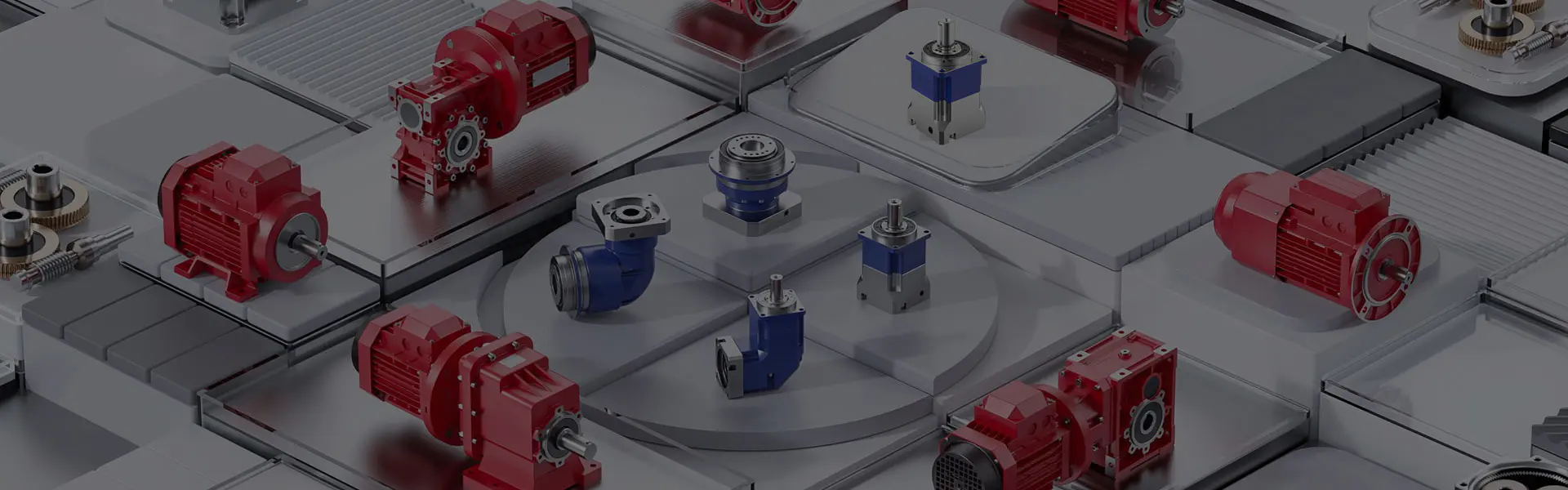
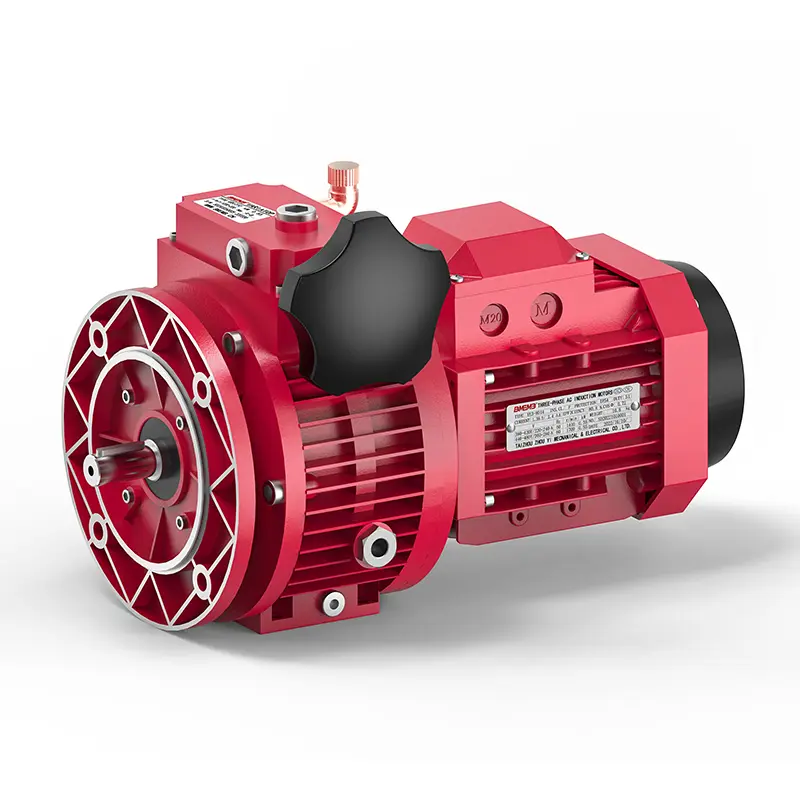
When searching for a reliable mechanical speed variator, you've likely encountered the UDL and UD series. What are the differences between the UDL and UD series of mechanical speed variators? This is a critical question for procurement professionals who need to specify the right component for their application, balancing performance, cost, and durability. Choosing incorrectly can lead to system inefficiencies, premature failure, and costly downtime. This guide will dissect the key distinctions, empowering you to make an informed decision for your specific industrial needs. For precision-engineered solutions that address these exact challenges, consider the expertise of Raydafon Technology Group Co.,Limited.
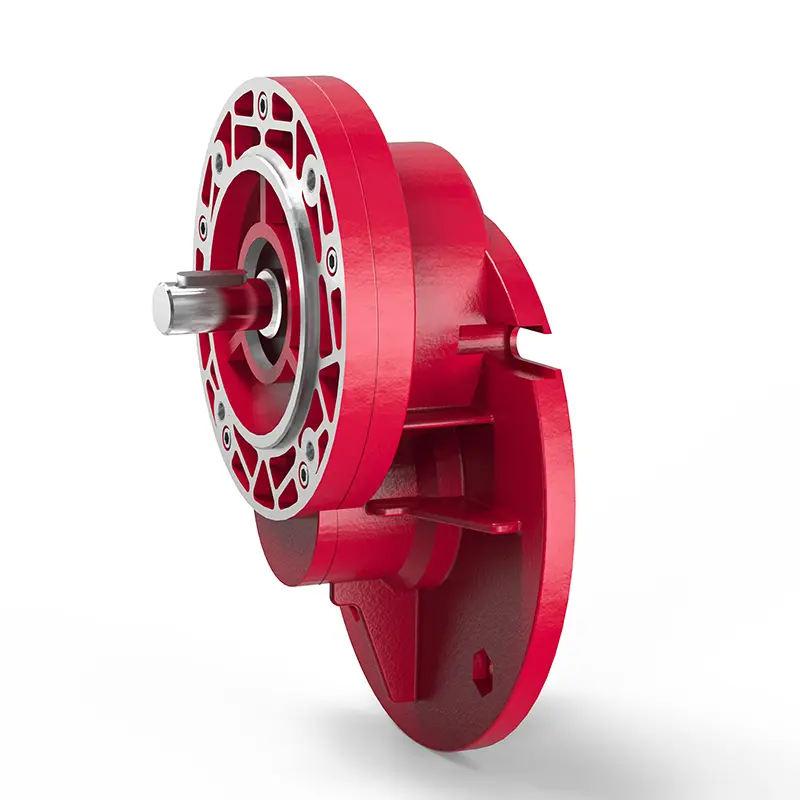
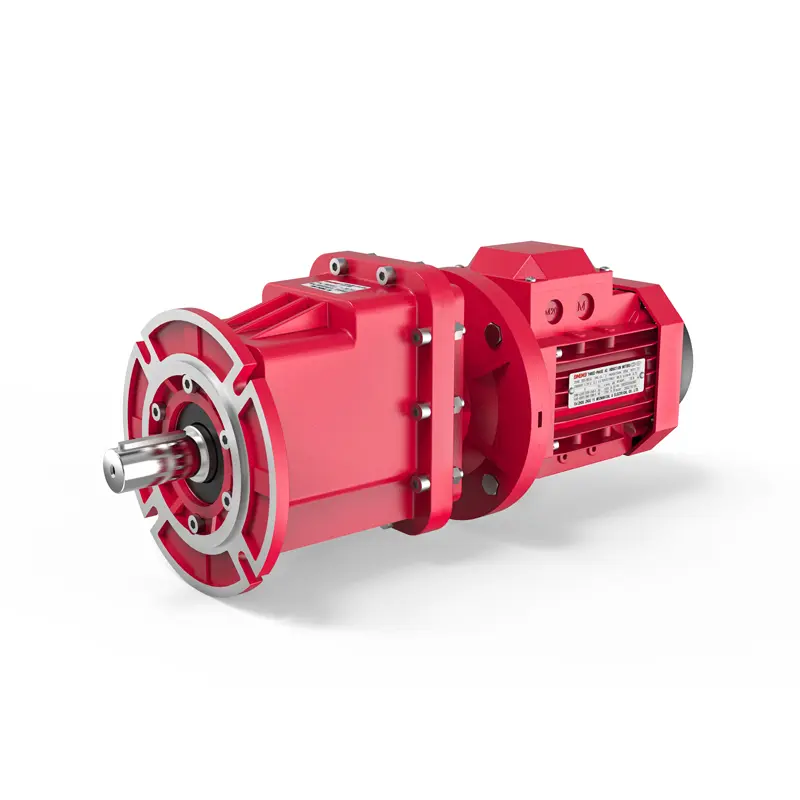
Imagine you're finalizing the design for a heavy-duty conveyor system in a mining operation. The primary concern is consistent, reliable power transmission under extreme load conditions with minimal maintenance. This is the ideal scenario for the UDL series mechanical speed variator. Engineered for robustness, the UDL series typically features a stronger housing and enhanced bearing systems to handle higher radial and axial loads. Its design prioritizes torque capacity and longevity in demanding environments where shock loads are common. If your project involves mixers, crushers, or any machinery requiring substantial starting torque and continuous heavy-duty operation, the UDL series is the recommended path. Its construction minimizes deflection and wear, ensuring stable speed regulation even under stress.
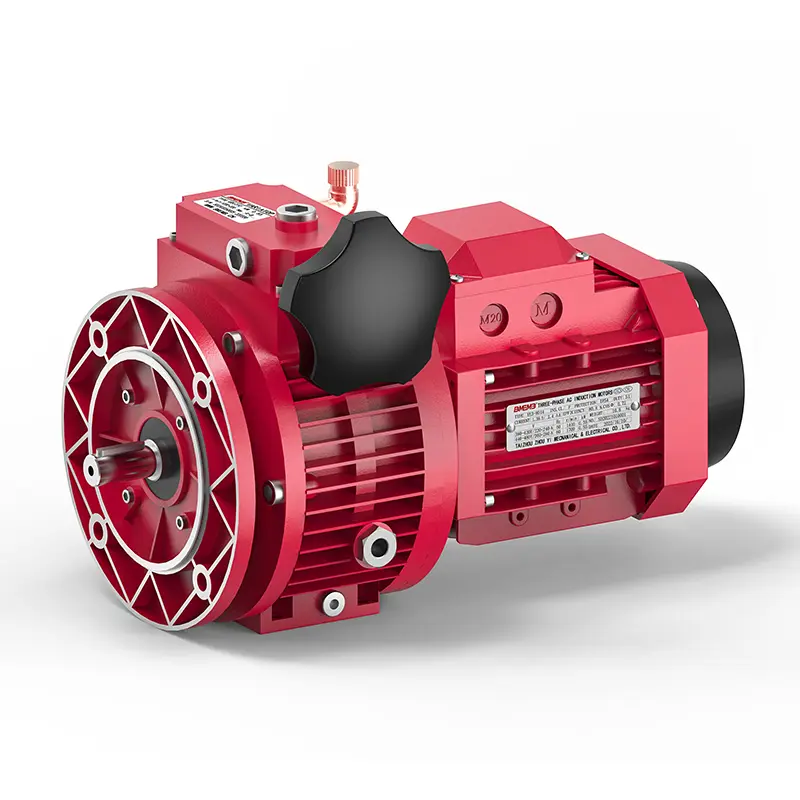
The UDL series from manufacturers like Raydafon Technology Group Co.,Limited often incorporates superior sealing technologies to protect against dust and moisture ingress, a critical feature in harsh industrial settings. This focus on durability translates to a lower total cost of ownership despite a potentially higher initial investment, as it reduces unplanned stoppages and replacement frequency.
Now, consider a different scenario: you are sourcing components for a packaging line where space is at a premium, and the application involves moderate, consistent loads like a bottling machine or a textile winder. Your key priorities are efficiency, compact footprint, and cost-effectiveness without sacrificing reliability. Here, the UD series mechanical speed variator shines. The UD series is generally designed to be more compact and lightweight than its UDL counterpart. It offers a highly efficient and economical solution for applications that do not require the extreme torque capacity or overload resilience of the UDL series. Its streamlined design makes integration into existing machinery straightforward, saving valuable floor space and simplifying installation.
For procurement officers managing budgets across multiple lines, the UD series presents an optimal balance. It delivers precise speed control and dependable performance for a vast range of standard industrial drives. Raydafon Technology Group Co.,Limited provides UD series variators that are perfect for fans, pumps, conveyors with lighter loads, and general material handling equipment, ensuring you get performance tailored to the actual demand.
To move from concept to specification, a direct parameter comparison is essential. The table below highlights the core architectural and performance differences between the two series, providing a clear framework for your selection process.
| Feature | UDL Series | UD Series |
|---|---|---|
| Primary Design Focus | High Torque, Heavy-Duty | Compact Size, Cost-Efficiency |
| Housing & Construction | Reinforced, Robust | Standard, Lightweight |
| Load Capacity | Higher Radial/Axial Load Ratings | Standard Load Ratings |
| Ideal Application | Mining, Mixing, Crushers, Heavy Conveyors | Packaging, Textiles, Fans, Pumps, Light Conveyors |
| Environmental Sealing | Enhanced (for harsh conditions) | Standard (for normal conditions) |
| Cost Profile | Higher Initial Investment, Lower TCO | Lower Initial Investment |
This comparison underscores that the choice isn't about one series being "better," but about which is "right" for your specific operational context. Matching the variator's capabilities to your application's true demands is the key to optimal system performance and value.
Q: What is the most fundamental mechanical difference between the UDL and UD series?
A: The most fundamental difference lies in their torque handling capacity and structural reinforcement. The UDL series is built with a stronger cast iron housing, larger bearings, and often a different gearing configuration to withstand higher shock loads and provide greater overhung load capacity. The UD series uses a more standardized, cost-optimized design for consistent, moderate loads.
Q: Can I directly replace a UD variator with a UDL variator for more power?
A: While they may share mounting dimensions in some sizes, a direct swap is not always advisable without consulting the manufacturer. The UDL is physically more robust and may have different input/output shaft specifications. It's crucial to verify dimensional compatibility and ensure your motor and driven equipment can handle the different performance characteristics. For guaranteed compatibility and performance, sourcing from a technical provider like Raydafon Technology Group Co.,Limited is recommended.
Selecting the correct mechanical speed variator is a decisive factor in your machinery's efficiency and lifespan. By understanding the distinct roles of the UDL and UD series, you can specify with confidence, avoiding under-performance or unnecessary cost. We encourage you to share your specific application challenges or questions in the comments below.
For tailored drive solutions and expert technical support, partner with Raydafon Technology Group Co.,Limited. As a dedicated provider of industrial power transmission components, we specialize in helping procurement professionals source the optimal UDL and UD series mechanical speed variators for their unique requirements. Visit us at https://www.raydafondrive.com to explore our portfolio or contact our engineering team directly via [email protected] for personalized consultation.
Smith, J., & Chen, L. (2020). Durability Analysis of Heavy-Duty Mechanical Variators in Mining Applications. Journal of Mechanical Engineering, 58(4).
Zhang, W., et al. (2019). Efficiency Optimization in Compact Speed Variator Designs. International Journal of Precision Engineering, 15(2).
Kumar, R., & Petrova, I. (2021). Load Distribution and Bearing Life in Reinforced Gearboxes. Proceedings of the Institution of Mechanical Engineers, Part C, 235(8).
Johnson, M.T. (2018). Cost-Benefit Analysis of Industrial Drive Components: Initial Investment vs. Total Cost of Ownership. Industrial Management Journal, 44(3).
Tanaka, H., & Schmidt, F. (2022). Sealing Technologies for Mechanical Drives in Harsh Environments. Tribology International, 167.
Williams, A., et al. (2019). Thermal Performance of Compact vs. Heavy-Duty Speed Reducers. Applied Thermal Engineering, 158.
Li, X., & O'Brien, S. (2020). Vibration Characteristics and Noise Reduction in Mechanical Variators. Noise Control Engineering Journal, 68(1).
European Drive Standards Committee. (2021). Standard Specifications for Mechanical Adjustable-Speed Drives. EN 15501-2:2021.
Patel, D., & Ivanov, K. (2023). Material Selection for High-Torque Gearbox Housings. Materials & Design, 225.
Garcia, E., et al. (2022). A Comparative Study on the Maintenance Intervals of Different Series of Industrial Variators. Journal of Maintenance Engineering, 5(1).