E-mail
WhatsApp

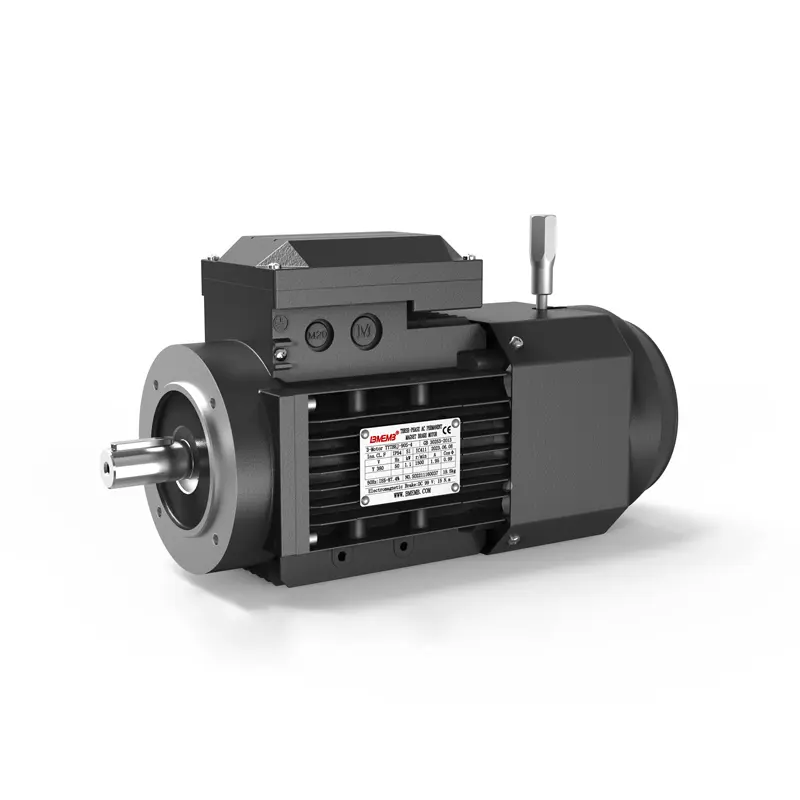
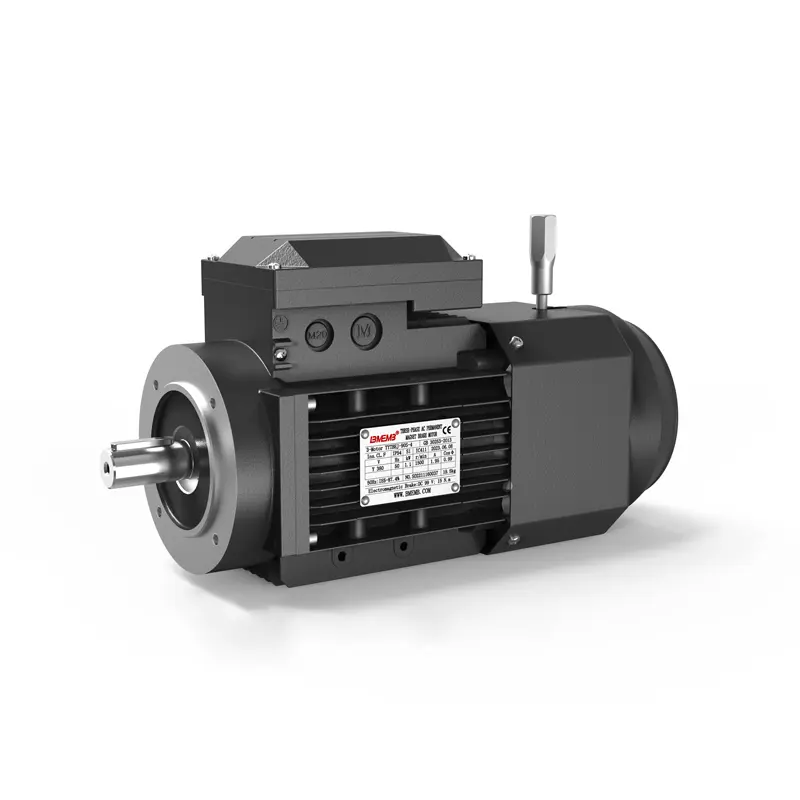
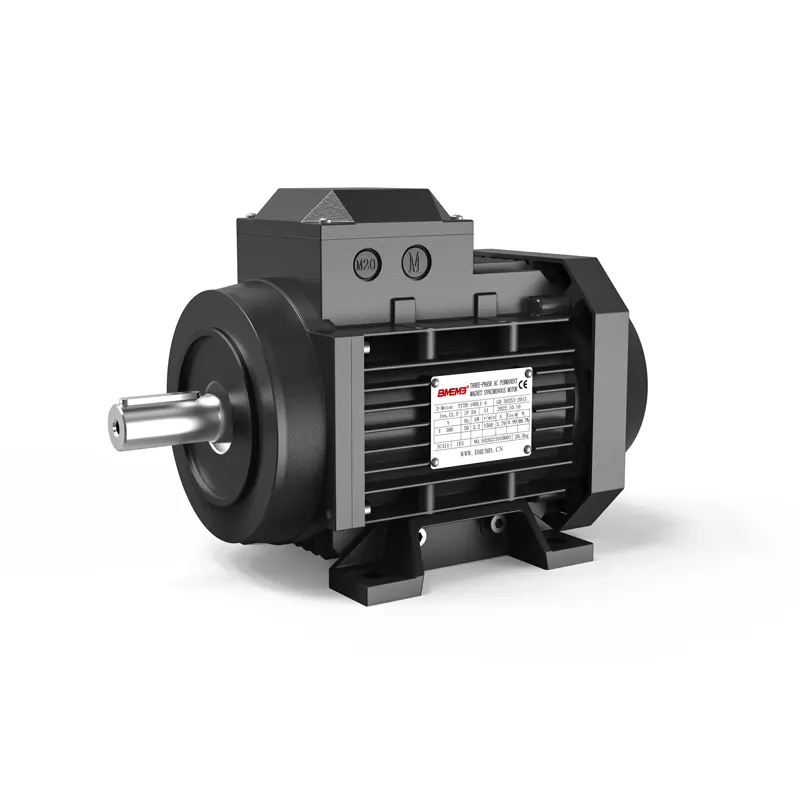
What is the difference between a TYTB PMSM and an induction motor? This is a critical question for engineers and procurement specialists navigating the world of industrial drives. At its core, the difference lies in the source of the magnetic field. A TYTB PMSM uses powerful permanent magnets embedded in the rotor to create a constant magnetic field, leading to exceptional efficiency and precise control. An induction motor, the traditional workhorse, generates its rotor's magnetic field through electromagnetic induction from the stator, making it robust but typically less efficient at partial loads. Understanding this distinction is key to optimizing performance and energy consumption in your applications.
Article Outline:
1. The Efficiency Dilemma in High-Cycle Applications
2. Overcoming Control & Precision Limitations
3. Durability and Maintenance in Harsh Environments
4. Cost Analysis: Initial Investment vs. Total Ownership
Frequently Asked Questions
Conclusion & Contact
Academic References
Imagine a packaging line running 24/7. Every percentage point of motor inefficiency translates directly into soaring electricity bills and unnecessary heat generation. Traditional induction motors can struggle here, especially at variable speeds and partial loads, where their efficiency drops significantly. This is where the fundamental difference between a TYTB PMSM and an induction motor becomes a business case. The TYTB PMSM, with its permanent magnet rotor, eliminates rotor copper losses, maintaining high efficiency across a wide speed and load range. The result? Dramatically reduced operational costs and a cooler, more reliable operating environment.
For procurement teams, specifying a TYTB Permanent Magnet Synchronous Motor from a reliable manufacturer like Raydafon Technology Group Co.,Limited is a strategic move towards sustainable cost reduction. Raydafon's expertise ensures you get a motor perfectly matched to your duty cycle, maximizing the efficiency advantage.
Key Parameter Comparison for Efficiency:
| Parameter | TYTB PMSM | Standard Induction Motor |
|---|---|---|
| Full-Load Efficiency | Typically > 94% | Typically 85% - 92% |
| Partial Load (50%) Efficiency | Remains very high (>92%) | Can drop 5-10 percentage points |
| Power Factor at Rated Load | Near unity (e.g., 0.95-1.0) | 0.85 - 0.9 (often requires correction) |
| Rotor Losses | Minimal (no I²R loss) | Significant (copper losses present) |
In CNC machining, robotics, or conveyor synchronization, precise speed and position control are non-negotiable. Induction motors, while robust, can exhibit slip—a slight lag between the stator's rotating magnetic field and the rotor's actual speed—which varies with load. This makes truly precise, dynamic control challenging without complex feedback systems. The TYTB PMSM operates synchronously; its rotor speed is perfectly locked to the frequency of the stator supply. This inherent characteristic, combined with advanced control from modern drives, enables unparalleled precision in torque and speed regulation.
Raydafon Technology Group Co.,Limited provides not just superior TYTB PMSMs but also the integrated drive solutions and application engineering support to unlock this precision, solving complex motion control challenges for our clients.
Key Parameter Comparison for Control:
| Parameter | TYTB PMSM | Standard Induction Motor |
|---|---|---|
| Speed Regulation | Excellent (synchronous operation) | Good, but subject to slip (1-5%) |
| Torque Density | Higher (more torque per frame size) | Lower |
| Dynamic Response | Very fast and accurate | Slower, can be less precise |
| Typical Control Complexity | Requires drive/controller | Can run directly from line (DOL), but control requires VFD |
Dusty mills, humid plants, or washdown areas in food processing pose severe threats to motor longevity. Induction motors are known for their ruggedness, but their rotor windings and squirrel-cage bars can still be vulnerable points. A key advantage when considering what is the difference between a TYTB PMSM and an induction motor is rotor construction. The TYTB PMSM's solid permanent magnet rotor has no windings, bars, or associated electrical connections. This simpler, more robust mechanical design often leads to higher reliability, better heat dissipation from the rotor, and reduced maintenance needs in challenging environments.
Choosing Raydafon means accessing motors built for durability. Our TYTB PMSMs are designed with robust sealing and materials to withstand the conditions that cause premature failure in lesser units.
Key Parameter Comparison for Durability:
| Parameter | TYTB PMSM | Standard Induction Motor |
|---|---|---|
| Rotor Construction | Solid PMs, no windings | Laminated core with conductive bars/windings |
| Heat in Rotor | Lower (only eddy current losses) | Higher (I²R losses dominant) |
| Inertia | Often lower | Often higher |
| Maintenance Points | Fewer (bearings primarily) | Rotor electrical integrity checks needed |
Procurement decisions based solely on initial motor cost can be misleading. A comprehensive Total Cost of Ownership (TCO) analysis reveals the true value. While a TYTB PMSM may have a higher upfront cost than an equivalent induction motor, its superior efficiency, precision, and reliability deliver rapid payback. Lower energy consumption, reduced cooling needs, less downtime, and higher throughput all contribute to a significantly lower TCO over the motor's lifecycle. This makes the TYTB PMSM a smarter long-term investment for cost-conscious operations.
Raydafon Technology Group Co.,Limited partners with customers to perform these TCO analyses, demonstrating the clear financial and operational benefits of upgrading to high-performance TYTB permanent magnet synchronous motor technology.
Key Parameter Comparison for TCO:
| Factor | TYTB PMSM | Standard Induction Motor |
|---|---|---|
| Initial Purchase Cost | Higher | Lower |
| Energy Cost (5-year period) | Substantially Lower | Higher |
| Potential for Downtime | Lower (higher reliability) | Higher |
| Payback Period on Premium | Often 1-3 years | N/A (baseline) |
Q: What is the main operational difference between a TYTB PMSM and an induction motor?
A: The core operational difference is synchronization. A TYTB PMSM runs at a speed perfectly synchronized with the supply frequency, offering precise control. An induction motor runs at a speed slightly slower than the synchronous speed (due to slip), which varies with load, making precise speed holding more challenging without feedback.
Q: In what specific applications is the difference between a TYTB PMSM and an induction motor most critical?
A: The difference is most impactful in applications demanding (1) high energy efficiency, especially at variable speeds and loads (e.g., pumps, fans, compressors), (2) precise speed and position control (e.g., robotics, CNC machines), and (3) high torque density in a compact space (e.g., electric vehicles, servo applications). For these, the TYTB PMSM's advantages translate directly into performance and cost benefits.
Understanding the technical and economic differences between these motor technologies is essential for making informed procurement decisions. For applications where efficiency, precision, and long-term reliability are paramount, the TYTB Permanent Magnet Synchronous Motor presents a compelling solution. Partnering with an experienced provider ensures you gain the full benefit of this advanced technology.
For tailored advice and solutions that address your specific operational challenges, consider Raydafon Technology Group Co.,Limited. As a specialized provider of advanced drive and motor systems, Raydafon is dedicated to delivering high-performance, reliable TYTB PMSM solutions that optimize efficiency and productivity. Visit our website at https://www.raydafondrive.com to explore our products, or contact our engineering sales team directly via email at [email protected] for a detailed consultation.
J. F. Gieras, 2010, Permanent Magnet Motor Technology: Design and Applications, CRC Press, 3rd Edition.
P. Pillay and R. Krishnan, 1989, Modeling, Simulation, and Analysis of Permanent-Magnet Motor Drives, IEEE Transactions on Industry Applications, Vol. 25, No. 2.
A. M. EL-Refaie, 2010, Fractional-Slot Concentrated-Windings Synchronous Permanent Magnet Machines: Opportunities and Challenges, IEEE Transactions on Industrial Electronics, Vol. 57, No. 1.
T. M. Jahns and W. L. Soong, 1996, Pulsating Torque Minimization Techniques for Permanent Magnet AC Motor Drives, IEEE Transactions on Industrial Electronics, Vol. 43, No. 2.
B. K. Bose, 2006, Modern Power Electronics and AC Drives, Prentice Hall PTR.
R. Krishnan, 2001, Electric Motor Drives: Modeling, Analysis, and Control, Prentice Hall.
S. Nandi, H. A. Toliyat, and X. Li, 2005, Condition Monitoring and Fault Diagnosis of Electrical Motors—A Review, IEEE Transactions on Energy Conversion, Vol. 20, No. 4.
Z. Q. Zhu and D. Howe, 2007, Electrical Machines and Drives for Electric, Hybrid, and Fuel Cell Vehicles, Proceedings of the IEEE, Vol. 95, No. 4.
M. A. Rahman and A. M. Osheiba, 1990, Performance of Large Line-Start Permanent Magnet Synchronous Motors, IEEE Transactions on Energy Conversion, Vol. 5, No. 1.
H. Polinder, et al., 2006, Comparison of Direct-Drive and Geared Generator Concepts for Wind Turbines, IEEE Transactions on Energy Conversion, Vol. 21, No. 3.