Email
WhatsApp

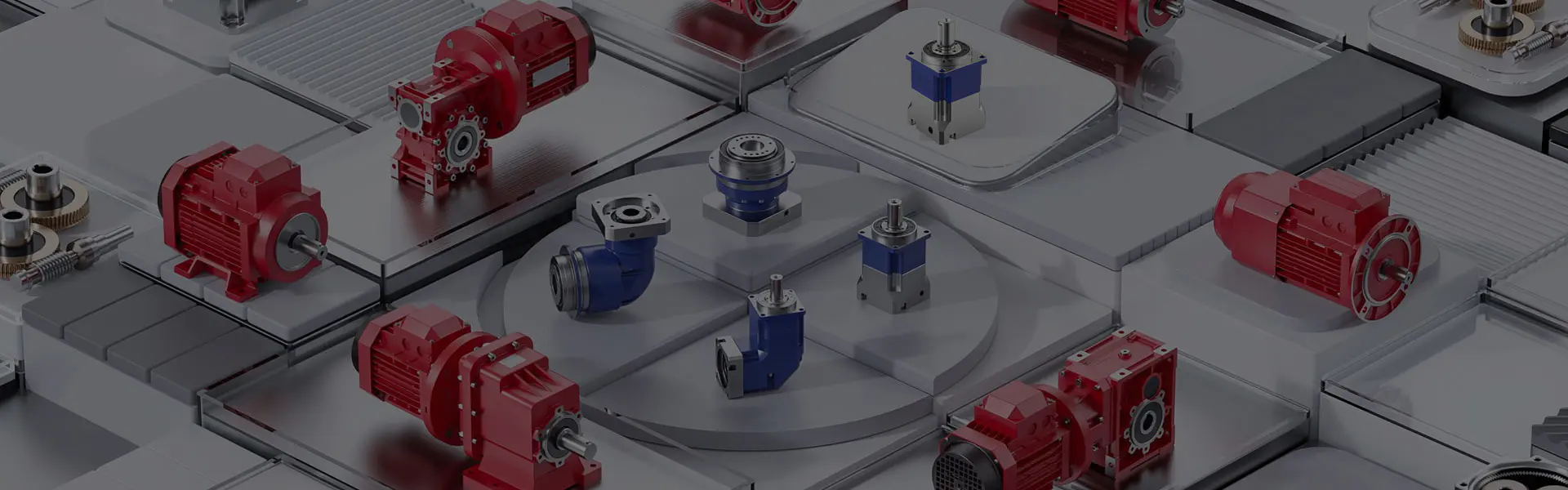
When you're sourcing components for heavy machinery or industrial automation, the choice of gearbox is critical. This brings us to a common and important question for engineers and procurement specialists: How does a BKM Helical Hypoid Gearbox compare to a standard helical gearbox? The difference is more than just terminology; it impacts efficiency, torque capacity, space requirements, and ultimately, the total cost of operation. In this guide, we’ll break down these two key technologies, providing clear, actionable comparisons to help you make the best decision for your application. For those looking for integrated solutions that address these exact engineering challenges, Raydafon Technology Group Co.,Limited offers a range of BKM helical hypoid gearboxes designed to solve real-world problems in demanding environments.
Article Outline
1. The Core Difference: Understanding Gear Tooth Geometry
2. Real-World Application: Space Constraints and Mounting Flexibility
3. Performance and Efficiency: Torque, Speed, and Noise
4. Durability and Maintenance Considerations
5. Making the Right Choice for Your Project
Frequently Asked Questions (FAQ)
Imagine you're designing a compact conveyor system for a food processing plant. Floor space is at a premium, and you need a gearbox that delivers high torque in a tight footprint without requiring complex offset assemblies. This is a classic scenario where a standard helical gearbox might fall short due to its parallel shaft design.
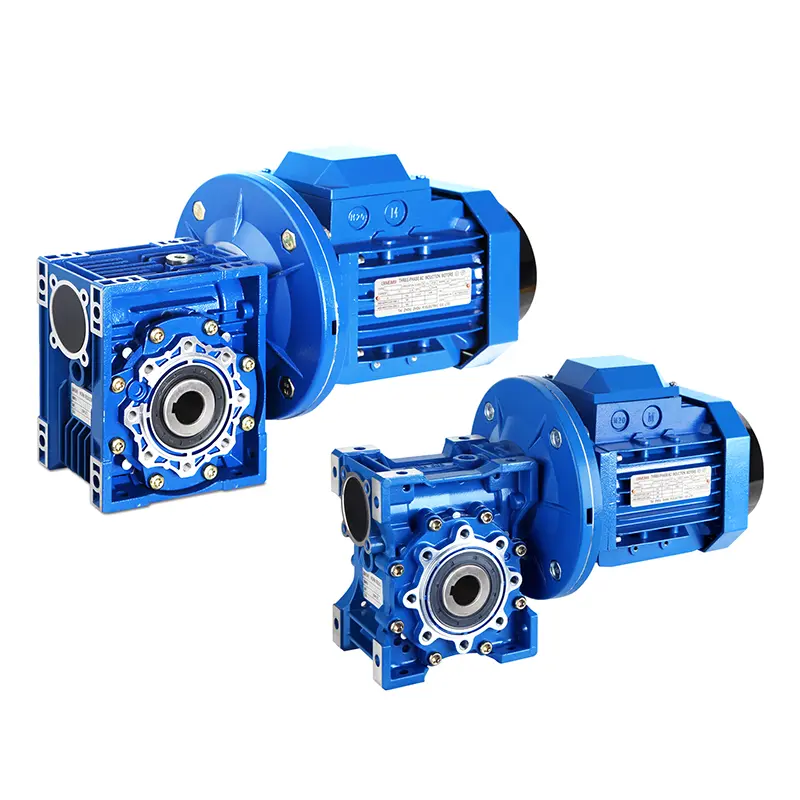
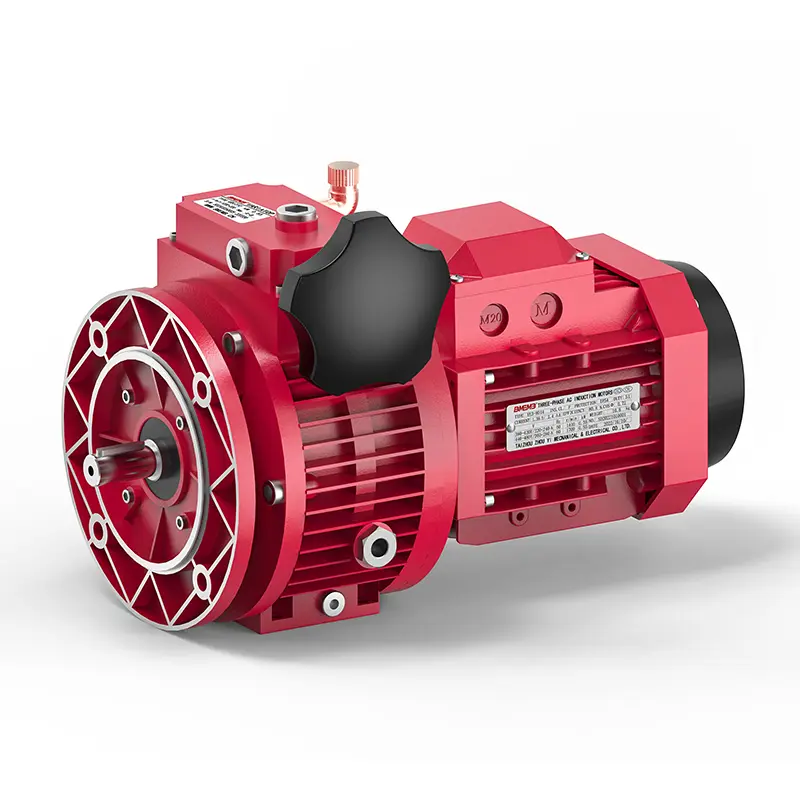
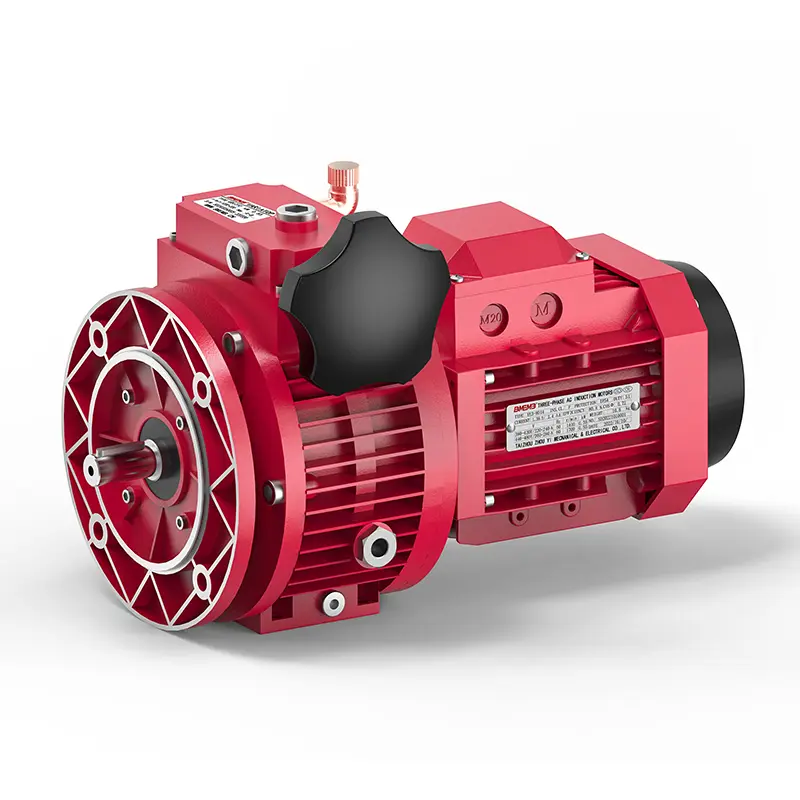
Here, the BKM helical hypoid gearbox from Raydafon provides a superior solution. Its defining feature is the hypoid bevel gear set, where the pinion axis is offset from the gear axis. This allows for a more compact design and the use of a larger, stronger pinion. The result is significantly higher torque density and smoother operation compared to standard helical units of similar size. Raydafon's engineers leverage this geometry to create gearboxes that solve space and power transmission challenges directly.
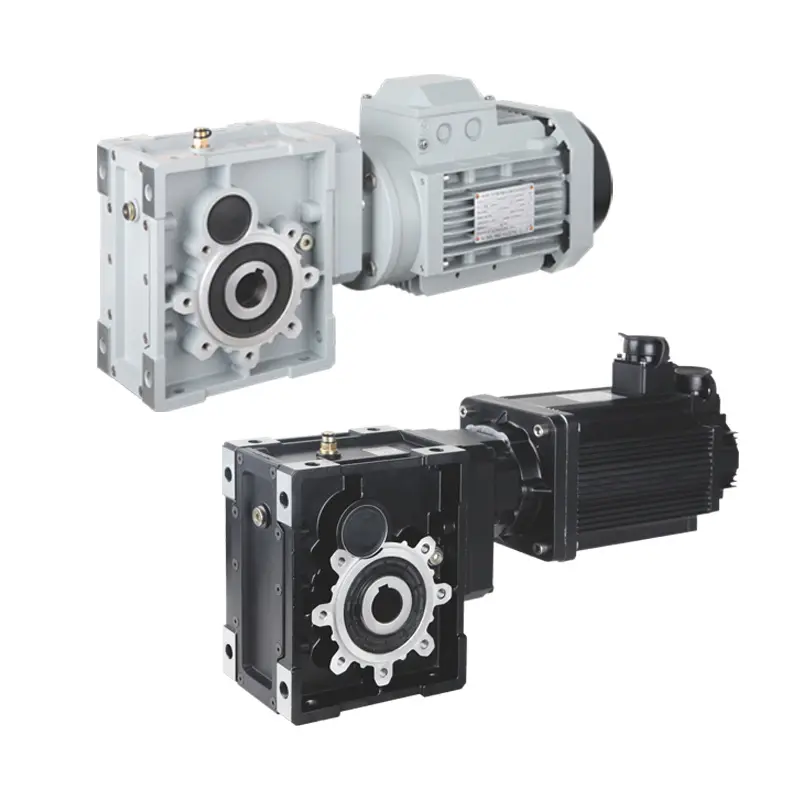
Key Parameter Comparison: Standard Helical vs. BKM Helical Hypoid
| Parameter | Standard Helical Gearbox | BKM Helical Hypoid Gearbox |
|---|---|---|
| Gear Arrangement | Parallel Shafts | Offset (Non-Intersecting) Shafts |
| Torque Density | Good | Excellent (Higher for same size) |
| Mounting Flexibility | Limited by shaft alignment | High; allows various input/output orientations |
| Typical Efficiency | High (94-98%) | Very High (up to 95% in hypoid stage) |
Procurement for a packaging line often involves balancing performance with operator comfort. Excessive noise and vibration from drive systems can lead to worker fatigue and premature failure of other components. Standard helical gearboxes, while smoother than spur gears, still generate a characteristic whine due to the linear contact of their teeth.
The BKM helical hypoid design inherently offers quieter and smoother operation. The offset axis allows for more tooth contact area and a sliding/rolling action that reduces noise and vibration dramatically. This makes it an ideal choice for applications near workspaces, in hospitals, or in premium appliances. By choosing a Raydafon hypoid gearbox, you're not just buying a component; you're investing in a quieter, more reliable system that reduces long-term operational complaints.
Operational Characteristic Comparison
| Characteristic | Standard Helical Gearbox | BKM Helical Hypoid Gearbox |
|---|---|---|
| Noise Level | Moderate to Low | Very Low |
| Vibration | Lower than spur gears, but present | Minimal due to gradual tooth engagement |
| Load Distribution | Linear contact along tooth width | Increased area contact for better load sharing |
| Ideal Applications | General industrial drives, pumps, fans | Agitators, conveyors, medical equipment, where quietness is key |
Sourcing for mining or construction equipment demands components that can survive shock loads, dust, and moisture. You need a gearbox that offers high reduction ratios and exceptional durability without constant maintenance. Standard helical gearboxes can achieve high ratios but often require multiple stages, increasing size and potential failure points.
The BKM helical hypoid gearbox provides high single-stage reduction ratios in a robust package. The hardened and ground gear teeth in Raydafon's units are designed for longevity and resistance to abrasive environments. This translates to less downtime and lower total cost of ownership. When reliability under pressure is non-negotiable, Raydafon's hypoid technology provides the sturdy backbone your heavy-duty application requires.
Durability and Specification Comparison
| Specification | Standard Helical Gearbox | BKM Helical Hypoid Gearbox |
|---|---|---|
| Single-Stage Ratio Range | Typically up to 10:1 | Can achieve higher ratios (e.g., 15:1 or more) efficiently |
| Construction for Harsh Duty | Available, but design is less compact | Inherently robust design; often housed in cast iron for strength |
| Bearing Loads | Primarily radial | Combined radial and thrust; requires careful bearing selection |
| Overload Capacity | Good | Excellent due to larger pinion and tooth contact |
The initial purchase price is just one factor. For a plant manager, the true cost includes energy consumption, maintenance intervals, and potential production losses from failure. A cheaper standard helical gearbox might seem attractive, but if it's less efficient or requires more frequent servicing, it becomes a liability.
While BKM helical hypoid gearboxes may have a higher initial cost, their superior efficiency, compactness (saving on associated structures), and durability often lead to a lower total cost of ownership. Raydafon Technology Group Co.,Limited focuses on engineering products that deliver value over the entire lifecycle, helping procurement professionals justify capital expenditure with clear operational savings.
Cost of Ownership Analysis
| Factor | Standard Helical Gearbox | BKM Helical Hypoid Gearbox |
|---|---|---|
| Initial Cost | Generally Lower | Generally Higher |
| Energy Efficiency | High | Very High (reduces operational electricity cost) |
| Maintenance Interval | Standard | Often longer due to robust construction |
| Space Utilization | Requires more space for equivalent torque | Saves space, potentially reducing machine footprint cost |
Choosing between a standard helical and a BKM helical hypoid gearbox depends on your specific application priorities. If maximum compactness, high torque density, quiet operation, and high single-stage ratios are critical, the hypoid design is the clear winner. For less demanding applications where parallel shafts are acceptable and initial cost is the primary driver, a standard helical gearbox remains a valid choice. Partnering with an expert manufacturer like Raydafon ensures you get the right technical advice and a product built to last, solving your specific drive system challenges effectively.
Q1: How does a BKM helical hypoid gearbox compare to a standard helical gearbox in terms of efficiency loss?
A: Both types are highly efficient. Standard helical gearboxes typically achieve 94-98% efficiency per stage. A BKM helical hypoid gearbox maintains very high efficiency, often up to 95% in the hypoid stage itself. The slight difference is due to the sliding contact in hypoid gears, but advanced manufacturing and lubrication by companies like Raydafon minimize these losses, making the overall system efficiency highly competitive, especially when considering the higher torque output in a compact size.
Q2: How does a BKM helical hypoid gearbox compare to a standard helical gearbox for backlash and precision?
A: Standard helical gearboxes can be manufactured with low backlash for precision applications. However, the BKM helical hypoid design, due to its offset axis and tooth geometry, can be engineered for exceptionally smooth motion with minimal backlash. Raydafon's precision-ground hypoid gears are ideal for applications requiring precise positioning and smooth speed variation, often outperforming standard helical designs in high-end motion control scenarios.
We hope this detailed comparison empowers your next procurement decision. For specific technical data sheets, custom configuration support, or to discuss how Raydafon's drive solutions can optimize your equipment, please do not hesitate to reach out.
Your trusted partner for advanced motion control solutions is Raydafon Technology Group Co.,Limited. We specialize in the design and manufacture of high-performance gearboxes, including our robust BKM helical hypoid series, engineered to solve complex power transmission challenges with reliability and efficiency. Visit our website at https://www.raydafondrive.com to explore our full product portfolio. For direct inquiries and quotes, please contact our sales team at [email protected].
Relevant Research Papers
Kumar, P., & Singh, R. (2019). Dynamic Analysis of Hypoid Gears Under Misalignment Conditions. Journal of Mechanical Design, 141(7), 071402.
Li, S., & Kahraman, A. (2021). A tribodynamic model of a hypoid gear pair. Mechanism and Machine Theory, 156, 104167.
Wang, J., et al. (2020). Efficiency mapping of helical and hypoid gear drives. Proceedings of the Institution of Mechanical Engineers, Part C: Journal of Mechanical Engineering Science, 234(14), 2897-2910.
Zhang, Y., & Liu, H. (2018). Noise and Vibration Characteristics of Helical vs. Hypoid Gear Systems in Automotive Applications. SAE International Journal of Vehicle Dynamics, Stability, and NVH, 2(2), 87-95.
Marques, P., et al. (2017). Contact pressure analysis in hypoid gears with different assembly settings. Gear Technology, 34(5), 74-81.
Shweiki, S., et al. (2022). A comparative study on the load-carrying capacity of helical and hypoid gears. International Journal of Powertrains, 11(1), 1-20.
Fernandez-Del-Rincon, A., et al. (2016). Mathematical model for the analysis of manufacturing errors in hypoid gears. Meccanica, 51(4), 799-814.
Park, C., & Lee, J. (2019). Design optimization of a hypoid gear for electric vehicle reducers considering efficiency and durability. Structural and Multidisciplinary Optimization, 60(3), 1059-1072.
Litvin, F. L., & Fuentes, A. (2004). Gear Geometry and Applied Theory (2nd ed.). Cambridge University Press. (Book Reference - Fundamental)
Höhn, B., et al. (2015). Performance of high-performance gear oils in hypoid gears. Tribology Transactions, 58(3), 541-550.