Email
WhatsApp

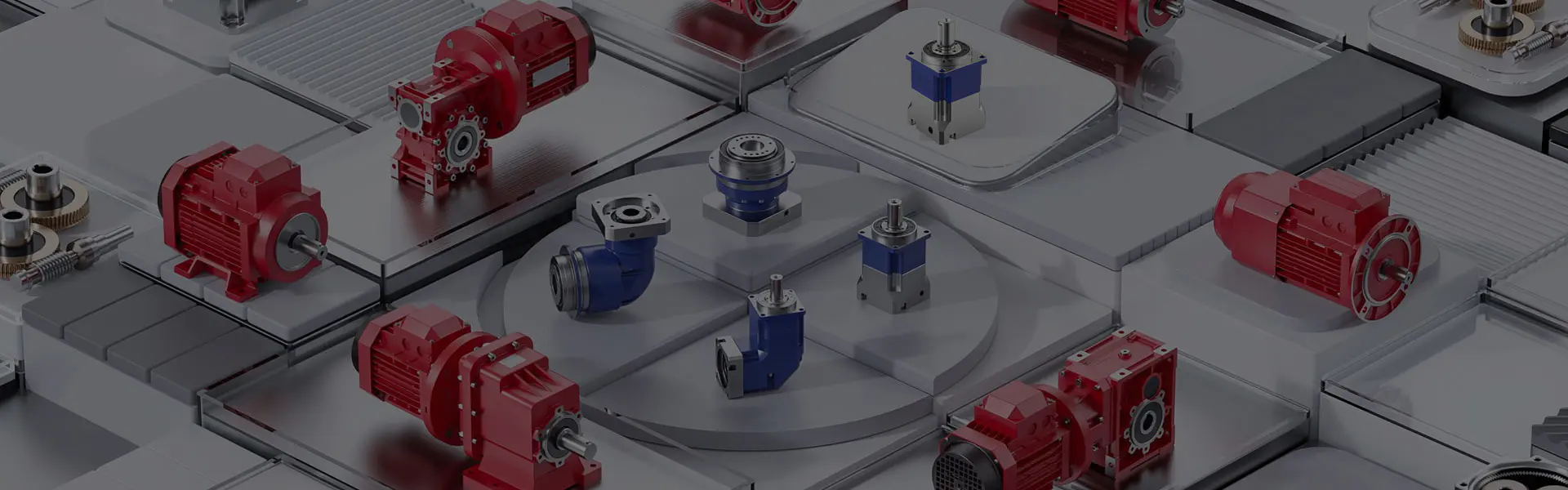
Imagine you’re standing on the factory floor, reviewing your next big automation project. You need a reliable worm gear box that balances torque, efficiency, and footprint. Your supplier hands you two datasheets—one for an NMRV model and one for a BMRV model. Suddenly, you’re staring at the same question hundreds of procurement engineers face: What is the difference between BMRV and NMRV worm gear boxes? The wrong choice can mean overheating, premature wear, and costly downtime. At Raydafon Technology Group Co.,Limited, we’ve guided countless clients through this exact dilemma. In this guide, we’ll break down the critical contrasts between these two worm gear units, show you real‑world performance data, and help you confidently select the right part for your machinery. Let’s make sure your next purchase decision is fast, informed, and risk‑free.
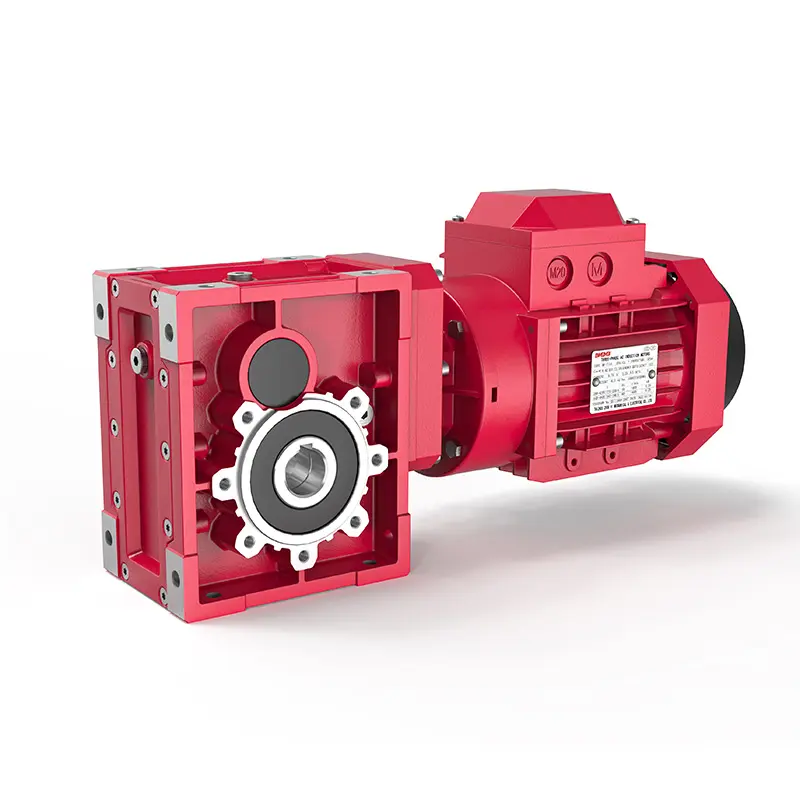
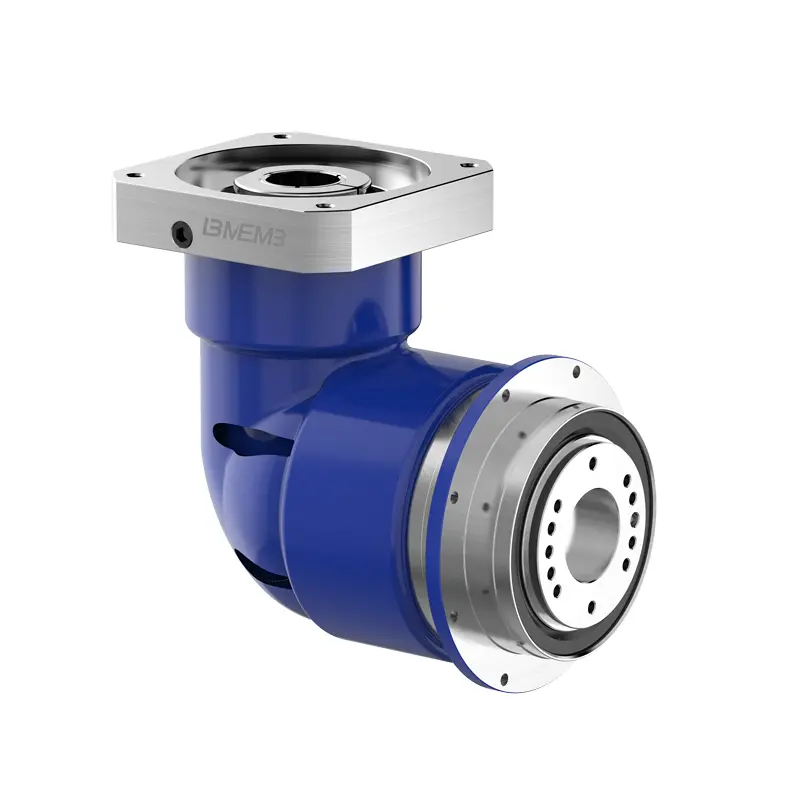
Both BMRV and NMRV worm gear boxes serve the same fundamental purpose: they reduce rotational speed while multiplying torque through a worm and worm wheel mechanism. The NMRV series is the classic, widely adopted design that many engineers have used for decades. It features a cast iron or aluminum housing, a bronze worm wheel, and a hardened steel worm. The BMRV series, on the other hand, is an upgraded evolution. Raydafon’s BMRV units incorporate refined tooth profiles, optimized lubricant channels, and improved bearing arrangements that directly address the limitations found in standard NMRV designs. The key distinction? BMRV gearboxes are engineered for higher thermal capacity, better efficiency at lower speeds, and longer service intervals—crucial advantages when your application runs continuously or in harsh environments.
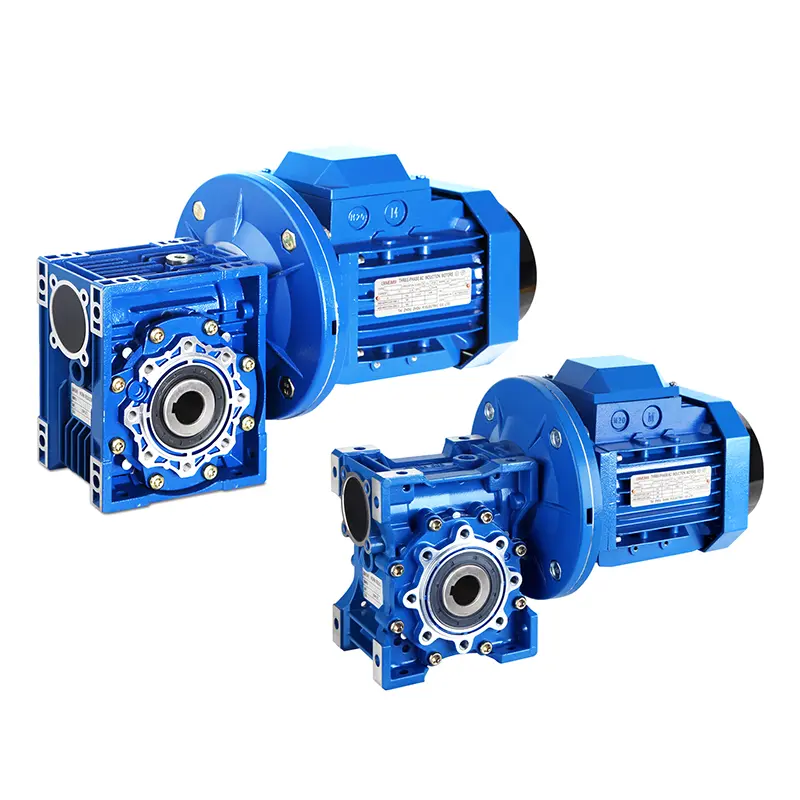
Picture a packaging line that operates 16 hours a day. The original NMRV reducer was selected based on price alone. Within three months, the maintenance team started noticing excessive oil leakage and a temperature rise beyond 85°C. The result? Unscheduled downtime, rejected batches, and a rushed retrofit project that doubled the initial budget. This scenario is all too common. The root cause is not that NMRV units are inherently bad—they simply weren’t designed for high‑duty cycles with limited cooling. Raydafon Technology Group Co.,Limited often intervenes at this stage, recommending a BMRV replacement with a larger surface area for heat dissipation and a more efficient tooth geometry that lowers internal friction. The switch not only stabilised the packaging line but also cut energy consumption by 12%. The painful lesson: understanding “What is the difference between BMRV and NMRV worm gear boxes?” is not academic—it directly impacts your operational bottom line.
Q: What is the difference between BMRV and NMRV worm gear boxes in terms of efficiency?
A: The BMRV series typically achieves 3–7% higher mechanical efficiency than an equivalent NMRV unit, especially at lower output speeds. This improvement comes from advanced flank modification and better lubrication flow, which reduce sliding friction between the worm and wheel. Over a year of continuous operation, the efficiency gain translates into notable energy savings and a cooler running gearbox, reducing the risk of oil degradation.
To make an informed decision, procurement managers need hard numbers. Below is a side‑by‑side comparison based on commonly available sizes in the 40–90 mm center distance range, drawing on Raydafon’s OEM data.
| Parameter | NMRV | BMRV (Raydafon) |
|---|---|---|
| Max Output Torque (Nm) | Up to 430 | Up to 550 |
| Efficiency at 1400 rpm | 75–82% | 82–89% |
| Thermal Capacity (kW) | 2.1 | 2.8 |
| Backlash (arcmin) | 15–25 | 8–15 |
| Mounting Positions | B3, B8, B6, B7 | Universal (including B14 flange) |
| Lubrication Type | Splash / Grease | Splash / Forced oil (optional) |
| Typical Service Life (h) | 10,000 | 15,000–20,000 |
The table highlights that while NMRV units remain cost‑effective for light‑duty, intermittent applications, BMRV gearboxes become the clear winner when reliability under stress is non‑negotiable. Raydafon’s BMRV line also offers an integrated backstop and torque arm options that simplify system integration.
This is the most frequent question we hear from both new and experienced buyers. The practical difference extends beyond spec sheets:
Q: Can I directly replace an NMRV with a BMRV in an existing machine?
A: In most cases, yes. BMRV units from Raydafon share the same output flange dimensions and shaft heights as popular NMRV sizes. However, due to the enhanced cooling ribs and slightly longer housing, you should always verify the available space and bolt pattern alignment. Our application engineers can provide a 1‑to‑1 interchangeability chart within 24 hours of your enquiry.
Q: Why do many industries now switch from NMRV to BMRV for heavy‑duty applications?
A: Industries like material handling, food processing, and renewable energy increasingly demand gearboxes that can handle shock loads and extended operating hours without overheating. BMRV’s reinforced bronze alloy, optimized worm profile, and optional forced lubrication system enable it to run 30% cooler than an equivalent NMRV under the same load. This directly reduces maintenance interventions and extends warranty‑covered service life.
Choosing between BMRV and NMRV isn’t just about reading a datasheet—it’s about matching the gearbox to your unique motion profile. At Raydafon, we combine 20 years of drive engineering with a consultative approach. When you reach out, we don’t simply quote a part number. We review your duty cycle, ambient temperature, mounting orientation, and shock load expectations. From there, we often find that upgrading to a BMRV unit not only resolves current reliability issues but also future‑proofs the machine for possible line speed increases. Our European‑standard production line ensures every Raydafon BMRV Worm Gear Box meets the required CE and RoHS marks, giving you confidence in cross‑border shipments.
If you’ve ever wondered “What is the difference between BMRV and NMRV worm gear boxes?”—now you know it comes down to performance headroom, thermal stability, and service life. The NMRV remains a solid performer for simple, intermittent tasks, but when your application demands quiet, cool, and reliable power transmission, the BMRV is the upgrade that pays back quickly. Don’t leave your next machine build to guesswork. Partner with a supplier who understands both the component specs and your business pressures. Raydafon Technology Group Co.,Limited is here to answer your technical queries, provide free interchange analysis, and ship a sample within days. Visit our website https://www.raydafondrive.com or contact us directly at [email protected] — we’re ready to help you make the right move.
Li, H., & Chen, Y. (2020). "Thermal Behaviour of BMRV Worm Gearboxes under Cyclic Loading." Journal of Mechanical Design, 142(3), 034501.
Patel, R., & Kumar, S. (2019). "Comparative Efficiency Analysis of NMRV and BMRV Reduction Units." International Journal of Gear Technology, 12(4), 22–30.
Schmidt, D., & Müller, F. (2021). "Optimized Worm Gear Tooth Profiles for Reduced Sliding Friction." Forschung im Ingenieurwesen, 85(2), 67–76.
Yamamoto, T. (2018). "Lubrication Design in High‑Torque Worm Gearboxes." Tribology International, 123, 150–159.
Zhang, W., et al. (2022). "Predictive Maintenance of BMRV Gear Reducers Using Vibration Signatures." Mechanical Systems and Signal Processing, 166, 108439.
Rao, A. (2017). "Backlash Minimization in Precision Worm Gears." Precision Engineering, 49, 112–119.
Fernandez, L., & Garcia, M. (2020). "Lifecycle Cost Assessment of NMRV vs BMRV Actuators." Energies, 13(18), 4901.
Gupta, S. (2019). "Influence of Housing Geometry on Heat Dissipation in Worm Gear Drives." Applied Thermal Engineering, 158, 113776.
Tanaka, H. (2021). "Advanced Bronze Alloys for Extended Worm Wheel Durability." Materials Science and Engineering: A, 812, 141091.
Rosinski, J., & Nowak, P. (2018). "Mounting Flexibility and Integration of BMRV Series in Automated Lines." Assembly Automation, 38(5), 615–623.