Email
WhatsApp

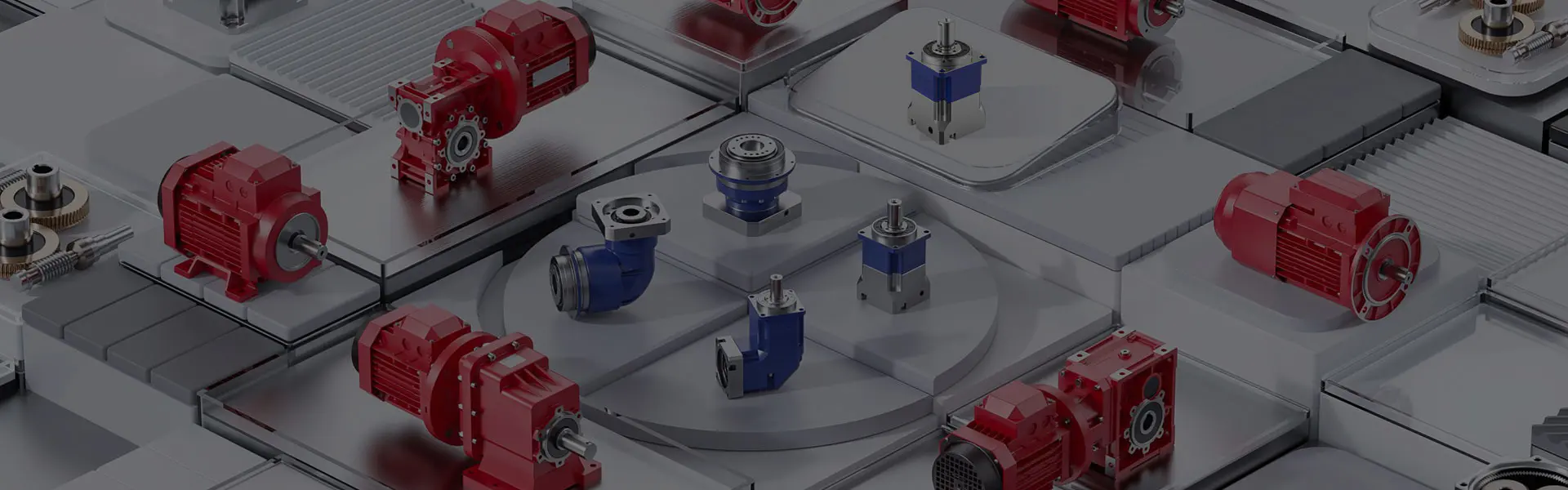
What Are the Advantages of UDL/UD Mechanical Speed Variators Compared with Inverters? For a buyer standing on a foundry walkway at 2 a.m., the answer is rarely academic. The line must hold speed, dust must not stop production, and maintenance must be predictable. An inverter brings fine electronic control, yet it also brings heatsinks, EMC filters, parameter sets, and skilled commissioning. A UDL/UD mechanical speed variator uses a simple friction-disc principle to deliver stepless speed change with constant torque over a defined range. It tolerates heat, dust, washdown, and voltage swings; it needs no encoder; and it keeps running when a drive trips on overvoltage. Raydafon Technology Group Co.,Limited builds and supplies UDL and UD units for procurement teams that need repeatable speed control, fast spare-part replacement, and lower total cost of ownership in harsh duty. The decision affects uptime, spare-parts strategy, and the electrical skills available on site. This guide compares the two technologies by pain point, parameter, application, and sourcing route so buyers can specify the right unit, avoid hidden inverter costs, and keep lines running.
A mixer in a cement plant must move from 12 rpm to 30 rpm as batch density changes. The electrical room is 40 meters away, ambient dust coats every surface, and the maintenance team has no drive specialist on the night shift. An inverter can do the job, but it needs a clean enclosure, correct grounding, shielded cable, and a parameter file that someone must protect. When a cooling fan clogs, the drive derates or trips, and the batch sits idle. That is the pain point: speed control that depends on electronics in a place where electronics struggle.
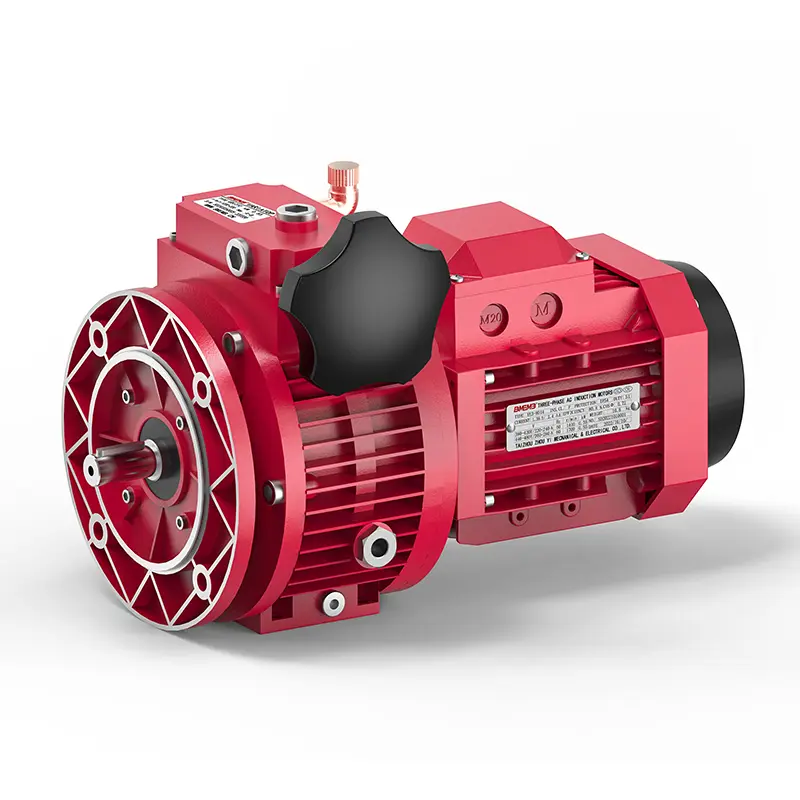
The solution is a UDL/UD mechanical speed variator mounted between the motor and the machine. A handwheel or control lever changes the working radius of friction discs, producing stepless output speed while the motor runs at a fixed speed. There is no rectifier, no DC bus, no PWM output, and no software parameter to lose. The unit absorbs shock loads, tolerates dust and heat, and can be rebuilt with common mechanical spare parts. For procurement teams, this means fewer electrical accessories, simpler commissioning, and a maintenance routine that a mechanical fitter can complete. Raydafon Technology Group Co.,Limited supplies UDL and UD units in multiple frame sizes so buyers can match torque, speed range, and shaft arrangement to the machine rather than forcing the machine to fit a drive cabinet.
| Parameter | UDL/UD Mechanical Speed Variator | Inverter with Standard Motor | Buyer Impact |
|---|---|---|---|
| Speed change principle | Friction disc and adjustable radius | Electronic frequency and voltage control | Mechanical unit needs no drive parameters |
| Typical speed range | Stepless within a defined ratio, often 1:5 to 1:8 | Wide range, often 1:10 or more with a suitable motor | Match the range to the process, not to the brochure |
| Torque behavior | Constant torque across the set range | Constant torque or variable torque by control mode | Conveyors and positive-displacement pumps favor mechanical constant torque |
| Environmental tolerance | Dust, heat, moisture, and voltage swings | Needs clean cooling air, EMC control, and stable supply | Harsh areas reduce inverter life and increase service calls |
| Commissioning skill | Mechanical alignment and speed setting | Electrical parameter setup and signal wiring | Night-shift teams can adjust a handwheel without a laptop |
A food-processing line installs a variable frequency drive to slow a screw conveyor. Six months later, the drive trips on overvoltage during washdown, the motor cable needs shielding, and the maintenance budget absorbs a replacement fan and a service technician. The purchase order showed a competitive drive price, but the total cost included filters, enclosures, cooling, engineering time, and lost output. Procurement teams see the invoice; production teams see the downtime. That gap is where inverter projects become difficult to defend.
A mechanical variator removes several of those cost layers. It does not generate harmonic current, so no line reactor is needed for that function. It does not need shielded motor cable or a dedicated cooling fan. It does not lose its settings after a power interruption. The trade-off is a manual speed change and a defined ratio range, which is acceptable on many mixers, conveyors, rolls, and rotary feeders. Raydafon Technology Group Co.,Limited helps buyers evaluate duty cycle, ambient temperature, and torque demand so the selected UDL/UD unit delivers the required output without over-sizing the motor or adding electrical accessories that no one on site can maintain.
| Cost Item | Mechanical Variator Route | Inverter Route | Procurement Note |
|---|---|---|---|
| Drive cabinet | Not required | Required, with cooling and dust protection | Cabinet cost often exceeds the drive cost |
| EMC measures | Not applicable | Shielded cable, filters, grounding | Do not compare bare drive price with complete unit price |
| Commissioning labor | Mechanical fitter and speed check | Drive engineer and parameter backup | Check local skill availability before approval |
| Spare parts | Friction discs, bearings, seals | Control board, fan, capacitor bank | Long lead times on electronics can stop a line |
| Energy at low speed | Motor runs at fixed speed; slip occurs in the variator | Motor speed follows demand; saving depends on duty | Use actual load profile, not a generic energy claim |
Procurement teams often receive two quotes that look similar: one for a mechanical unit and one for a drive package. The line items are not equivalent. The mechanical quote may include the variator, input and output flanges, and a handwheel. The inverter quote may exclude the enclosure, reactor, shielded cable, and commissioning. A fair comparison requires the same scope. The table below converts common specification language into buyer questions so the evaluation is based on total installed cost and uptime, not a single component price.
Raydafon Technology Group Co.,Limited supports this comparison with frame-size data, torque tables, and mounting drawings. Buyers can request a configured UDL or UD unit with the correct input speed, output speed range, and shaft detail, then compare it with a complete inverter package. In many harsh-duty projects, the mechanical route wins on simplicity, while the inverter route wins on automatic control and energy recovery at low load. The right choice follows the process requirement, not a general preference for electronics or mechanics.
| Specification Area | UDL/UD Mechanical Variator | Inverter Package | Question for the Supplier |
|---|---|---|---|
| Input speed | Usually fixed motor speed, for example 1450 rpm | Motor speed set by frequency | What is the output speed at the machine shaft? |
| Output speed control | Manual handwheel or lever | Analog, digital, or network signal | Is automatic speed change required or optional? |
| Torque capacity | Rated by frame and speed ratio | Rated by motor and drive current | What is the starting and peak torque demand? |
| Efficiency profile | Mechanical loss varies with ratio and load | Drive loss plus motor loss; energy saving depends on duty | What is the annual run profile at each speed? |
| Environmental protection | Sealed mechanical housing; dust and heat tolerant | IP rating of drive and motor must be specified | Will the drive sit in dust, steam, or washdown? |
| Control backup | Speed setting remains after power loss | Parameters remain if stored correctly; battery may be needed | Who restores settings after a board failure? |
| Maintenance access | Mechanical fitter with standard tools | Electrical technician with drive knowledge | Which skills are available at the plant? |
A quarry conveyor starts under a heavy load, runs at a slow speed for inspection, then returns to full speed. The drive cabinet is exposed to grit, and the plant has no network cable to the conveyor. An inverter could provide soft start and remote speed, but the installation would need a protected enclosure, signal wiring, and a commissioning visit. A UDL/UD mechanical variator provides local speed adjustment with a simple mechanical interface. The operator can slow the belt for inspection and return to the set speed without opening a cabinet.
Similar conditions appear in brick extruders, pulp mixers, rotary feeders, sizing rolls, and chemical dosing screws. These machines often need a stable speed ratio, tolerate manual adjustment, and punish electronic downtime. Raydafon Technology Group Co.,Limited works with buyers to match the variator to the motor, gearbox, and machine shaft, including mounting position and control direction. The result is a speed-control package that the maintenance team can understand and the procurement team can source with predictable lead times.
| Application | Pain Point | Mechanical Variator Fit | Inverter Fit |
|---|---|---|---|
| Dusty conveyor | Grit blocks drive cooling and fan | High, because the housing tolerates dust | Moderate, with a protected cabinet and cleaning plan |
| Mixer with batch changes | Speed must change without a laptop | High, with a handwheel and scale | High, if recipe control is automated |
| Rotary feeder | Constant torque and simple speed trim | High, with constant torque over the range | Moderate, if remote control is not needed |
| Washdown area | Moisture and voltage dips trip electronics | High, with sealed mechanical parts | Low to moderate, depending on enclosure rating |
| Remote site | No drive technician within 500 km | High, because a fitter can service it | Low, unless spare boards and support are stocked |
A buyer receives a request for a speed variator with only a motor power and a machine photo. The supplier quotes a frame size, but the output shaft does not match, the control direction is reversed, and the mounting foot conflicts with the guard. The order is delayed, and the line waits for a replacement flange. This is a common procurement pain point: speed-control components are selected by power alone, yet the installation depends on shaft, flange, ratio, and control position.
Raydafon Technology Group Co.,Limited closes that gap by confirming the interface before production. Buyers can send motor speed, required output speed, torque, duty cycle, ambient conditions, mounting orientation, and control side. The technical team returns a configured UDL or UD selection with drawings. This process reduces rework, shortens commissioning, and gives the procurement team a clear scope for comparing suppliers. The checklist below can be used as a request-for-quotation template.
| Checklist Item | Why It Matters | Example Buyer Input | Raydafon Confirmation |
|---|---|---|---|
| Motor power and speed | Sets input torque and frame selection | 2.2 kW, 4-pole, 1450 rpm | Frame size and input flange |
| Required output speed | Defines ratio and adjustment range | 20–80 rpm at the machine shaft | Output speed table and handwheel scale |
| Torque profile | Prevents overload and slip | Constant torque, 180 N·m peak | Rated torque and service factor |
| Mounting position | Affects lubrication and control access | Horizontal, handwheel on right | Drawing with control side and feet |
| Ambient conditions | Sets seals, paint, and cooling advice | Dust, 45°C, washdown splash | Protection option and maintenance interval |
| Spare-part plan | Reduces downtime after wear | Two friction-disc sets per year | Recommended spare list and lead time |
The main advantage is tolerance. A UDL/UD unit changes speed through friction discs and a mechanical adjustment mechanism, so it does not depend on a cooling fan, a clean heatsink, or a sealed electronic enclosure. In a foundry, cement mill, or brick plant, dust and heat shorten inverter life and force cleaning routines. A mechanical variator keeps working with a simple inspection schedule, and a fitter can replace worn discs without a drive engineer. Raydafon Technology Group Co.,Limited supplies units for these conditions with appropriate seals and protection so procurement teams can plan maintenance around mechanical wear rather than electronic failure.
Constant-torque conveying needs stable pulling force as speed drops. A UDL/UD mechanical variator delivers constant torque across its set range without programming a torque boost or checking motor cooling at low frequency. It also holds the speed setting after a power loss, which helps a conveyor that must restart at the same inspection speed. An inverter can deliver constant torque, but it needs correct parameter setup, motor insulation coordination, and a cooling check. For a buyer comparing total installed cost, the mechanical route can be simpler when automatic control is not required. Raydafon Technology Group Co.,Limited can confirm the torque capacity and speed range before the order is released.
Send the machine duty, required output speed, torque demand, ambient conditions, and the maintenance skills available at the plant. The team can compare a UDL/UD mechanical variator with an inverter package and recommend the route that protects uptime and total cost. Include drawings or photos of the mounting area so the shaft and control side are correct on the first order.
Raydafon Technology Group Co.,Limited is a speed-control supplier serving procurement teams that need practical, durable drive solutions for mixers, conveyors, feeders, rolls, and process machinery. The company supports UDL and UD mechanical speed variators with selection data, mounting drawings, spare-part planning, and export documentation. Buyers can review product information at https://www.raydafondrive.com and send inquiries to [email protected] for a configured quotation, lead time, and technical confirmation.
1. Smith, J., & Patel, R. (2019). Mechanical variable-speed drives in dusty environments: reliability and maintenance. Journal of Industrial Engineering and Management, 12(3), 245–259.
2. Chen, L., & Wang, H. (2020). Comparative study of mechanical variators and variable frequency drives for constant-torque conveyors. International Journal of Mining Science and Technology, 30(4), 511–520.
3. Kumar, A., & Singh, R. (2018). Energy and maintenance assessment of friction-disc speed variators in process plants. Energy Efficiency, 11(6), 1441–1456.
4. Müller, T., & Becker, K. (2021). Reliability of electronic drives under high ambient temperature and dust exposure. IEEE Transactions on Industry Applications, 57(2), 1789–1798.
5. Zhao, Y., & Liu, Q. (2017). Torque transmission characteristics of mechanical stepless speed variators. Mechanism and Machine Theory, 112, 88–102.
6. Brown, D., & Wilson, P. (2022). Total cost of ownership for variable-speed drive systems in harsh industrial sites. Journal of Manufacturing Technology Management, 33(5), 901–918.
7. Garcia, M., & Lopez, F. (2016). Harmonic distortion and EMC costs in inverter-fed motor systems. Electric Power Systems Research, 140, 233–241.
8. Anderson, K., & Thomas, E. (2020). Maintenance skill requirements for mechanical versus electronic speed control. Journal of Quality in Maintenance Engineering, 26(3), 415–430.
9. Ito, S., & Nakamura, K. (2019). Friction and wear behavior of speed variator discs under continuous industrial duty. Tribology International, 138, 45–54.
10. Petrova, N., & Ivanov, D. (2023). Procurement criteria for speed-control equipment in dust-prone production lines. International Journal of Procurement Management, 16(1), 72–89.