Email
WhatsApp

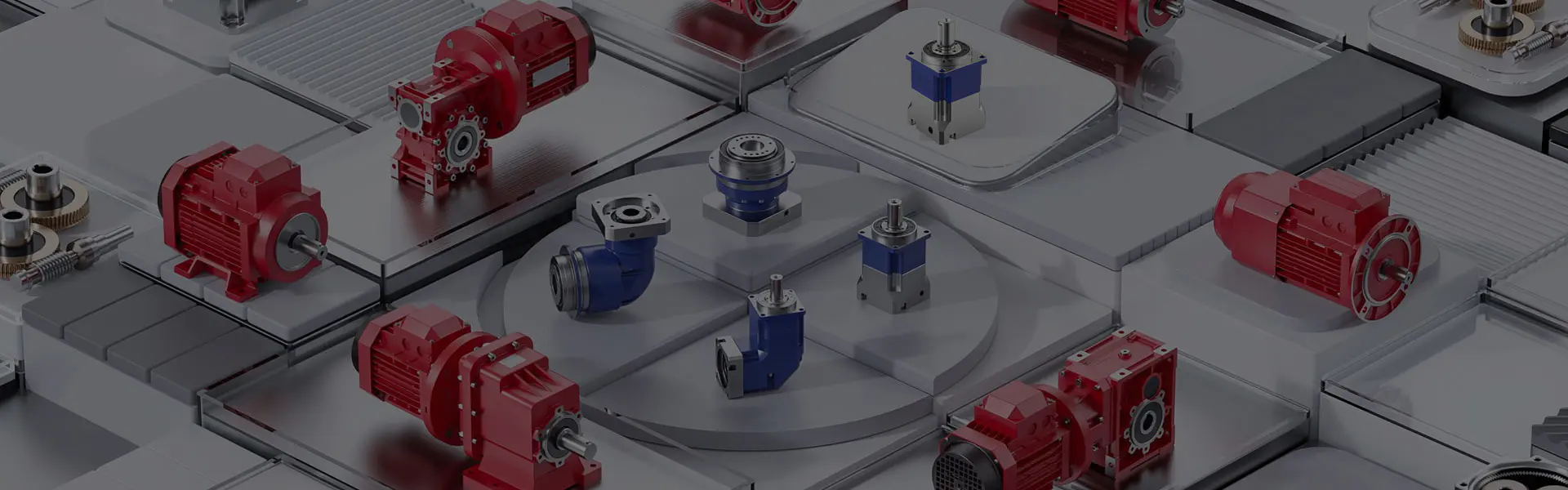
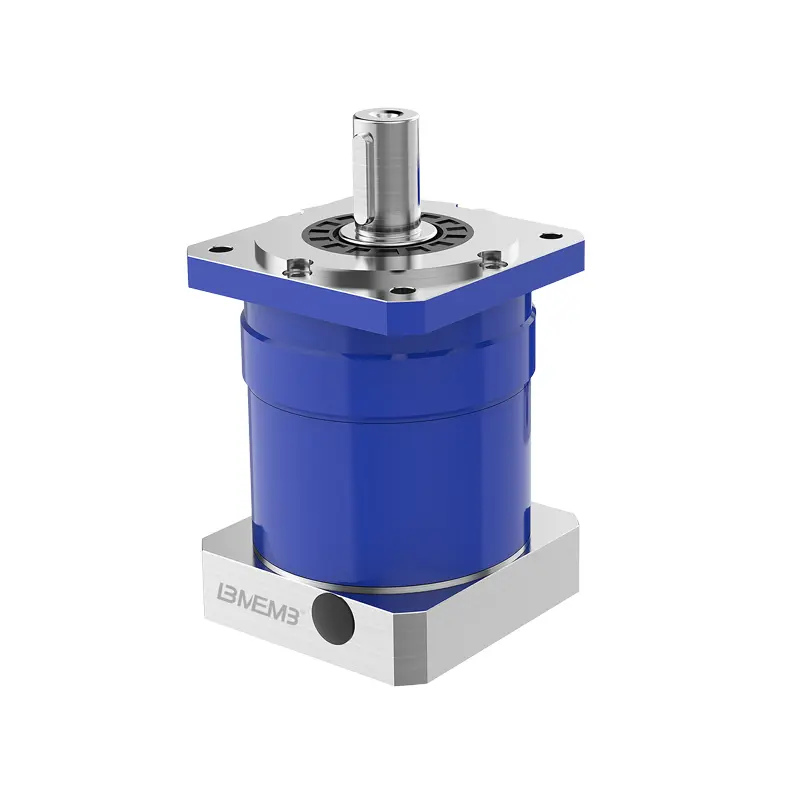
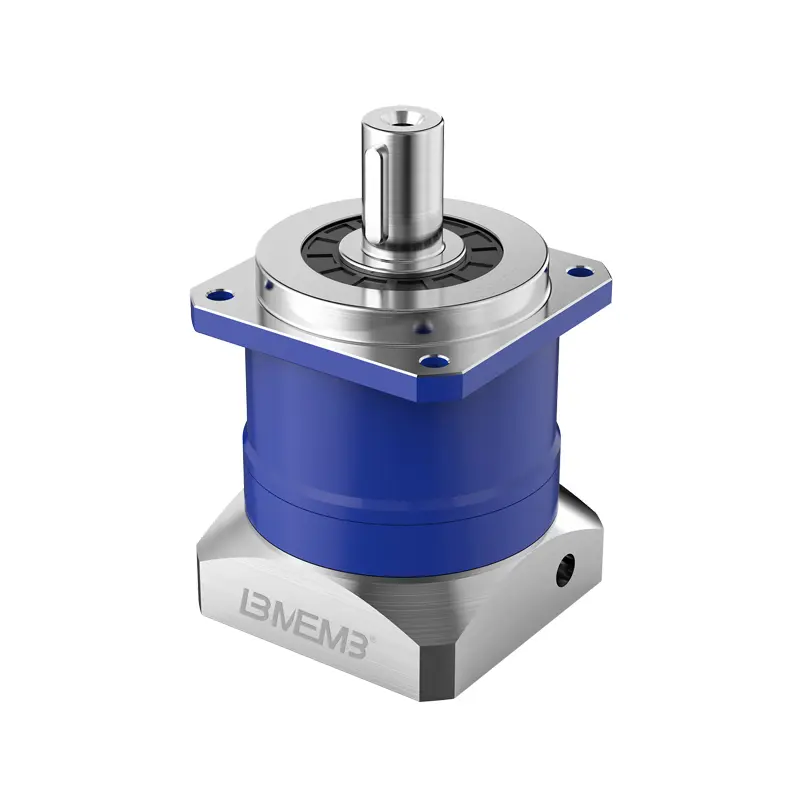
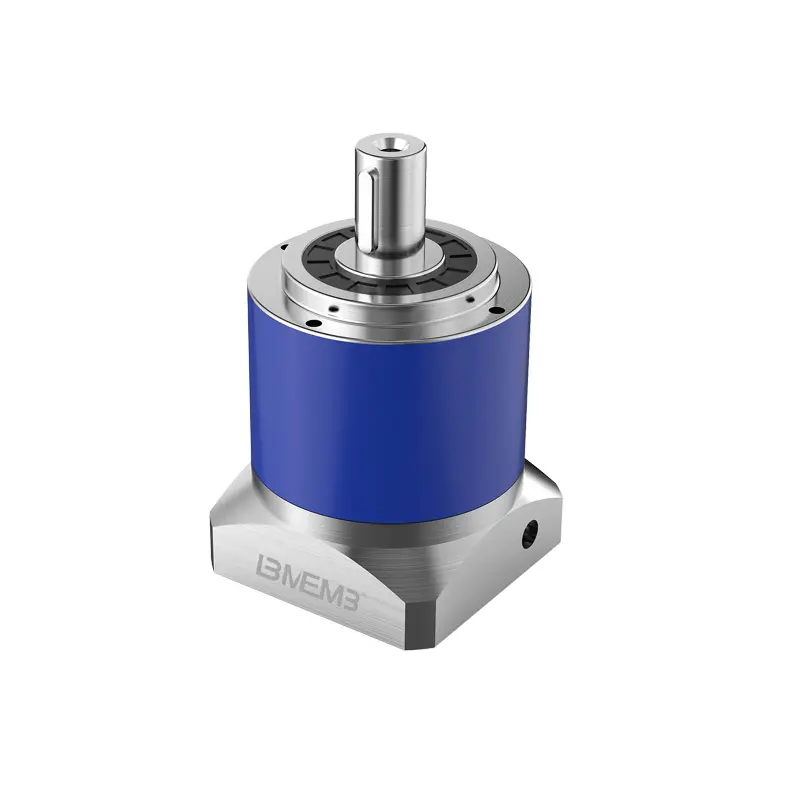
Standing in front of a prototyping bench, you hold a motor in one hand and a specification sheet in the other. The gap between theoretical performance and real-world reliability often narrows down to one critical component: the gearbox. You need high torque density, compact design, and near-zero backlash, but the catalogs are flooded with options. How do you choose the right Planetary Gear Box for your application? It’s not just about matching ratios; it’s about understanding your load profile, duty cycle, and environmental conditions. At Raydafon Technology Group Co.,Limited, we’ve guided thousands of engineers past the confusion, transforming complex specifications into clear, actionable choices. Whether you’re designing a robotic joint or a heavy-duty conveyor, the wrong gearbox can lead to premature failure, expensive downtime, and compromised safety. Let’s tackle this decision step by step, ensuring your next machine performs flawlessly from day one.
Imagine a packaging machine that jams at every speed increase. The root cause often traces back to a gearbox undersized for peak torque. To avoid this, you must analyze both continuous and intermittent loads. A planetary gearbox multiplies torque while reducing speed, but its allowed output torque must exceed your maximum load. When you ask “How do you choose the right planetary gear box for your application?”, the answer begins with torque. Our engineers at Raydafon Technology Group Co.,Limited start every consultation with a detailed torque-speed curve, ensuring the gearbox operates within the safe zone even under shock loads. We also consider the motor’s speed range—too high an input can generate excessive heat and wear.
| Application | Typical Torque (Nm) | Input Speed (RPM) | Recommended Ratio |
|---|---|---|---|
| Robot arm axis | 50–200 | 3000 | 50:1 – 100:1 |
| Conveyor drive | 200–800 | 1500 | 20:1 – 40:1 |
| CNC spindle | 10–60 | 6000 | 3:1 – 10:1 |
With Raydafon’s application engineering support, you can validate these parameters before purchase, preventing costly mismatches.
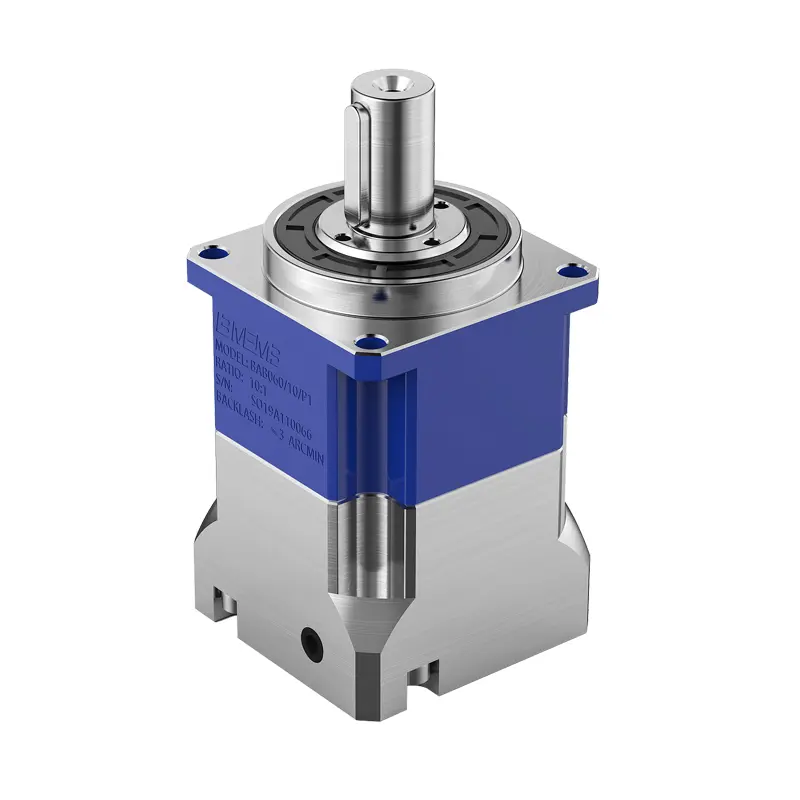
In semiconductor manufacturing, a single micron of error can scrap a wafer. Traditional gearboxes may have 10-15 arcmin of backlash, but precision applications demand under 3 arcmin. The question “How do you choose the right planetary gear box for your application?” becomes critical when micron-level accuracy is non-negotiable. Raydafon’s planetary gearboxes utilize ground gears and optimized carriers to achieve ultra-low backlash, consistently delivering the repeatability you need. We categorize our units into standard, low, and ultra-low backlash classes, allowing you to match performance to budget. Here’s a quick reference:
| Backlash Class | Typical Arcmin | Application |
|---|---|---|
| Standard | 10–20 | General automation |
| Low | 3–10 | Robotics, packaging |
| Ultra-Low | <1–3 | Machine tools, optics |
When your gearbox operates in a saltwater spray zone or a sterile cleanroom, standard designs fail fast. The right choice factors in IP rating, shaft sealing, and lubrication type. For example, a food-processing plant must avoid grease leakage into products, requiring food-grade lubrication and IP65 minimum. For dusty construction environments, a labyrinth seal protects internal gears. Raydafon Technology Group Co.,Limited offers customized sealing and lubrication, ensuring your gearbox endures regardless of the environment.
| Environment | IP Rating | Seal Type | Lubrication |
|---|---|---|---|
| Indoor clean | IP54 | Lip seal | Mineral |
| Washdown | IP65/67 | Double lip/V-ring | Food-grade synthetic |
| Heavy dust | IP65 | Labyrinth + seal | High-temp synthetic |
A perfect gearbox that won’t bolt up to your motor is useless. Standard NEMA or IEC frames simplify selection, but many custom machines require special adapter flanges and shaft diameters. Our team maps your motor’s output to our gearbox input, minimizing alignment errors and assembly time. Below is a compatibility snapshot:
| Mounting Type | Motor Compatibility | Key Benefit |
|---|---|---|
| Flange-mounted | Servo/stepper | High rigidity |
| Foot-mounted | Heavy-duty | Stability |
| Inline shaft | Variety | Compactness |
A low-cost gearbox that requires re-greasing every 500 hours may cost three times more over five years than a premium sealed unit. Raydafon Technology Group Co.,Limited focuses on total cost of ownership. Our planetary gearboxes feature high-grade bearings and hardened gears, extending service intervals to 20,000 hours in many applications. Here’s a lifecycle comparison:
| Gearbox Quality | MTBF (hours) | Typical Annual Maintenance Cost |
|---|---|---|
| Economy | 8,000 | $350 |
| Standard | 15,000 | $180 |
| Premium (Raydafon) | 30,000+ | $75 |
Q: How do you choose the right planetary gear box for your application if you need both high torque and high speed?
A: Achieving both simultaneously demands a balance between gear ratio and input speed. Planetary gearboxes excel at high torque, but you must stay within the rated input speed to avoid overheating. In such cases, we often recommend a two-stage or three-stage configuration that multiplies torque without exceeding speed limits. Raydafon’s selection tool cross-references your torque-speed profile instantly to suggest the optimal stage count and ratio.
Q: How do you choose the right planetary gear box for your application when space is extremely limited?
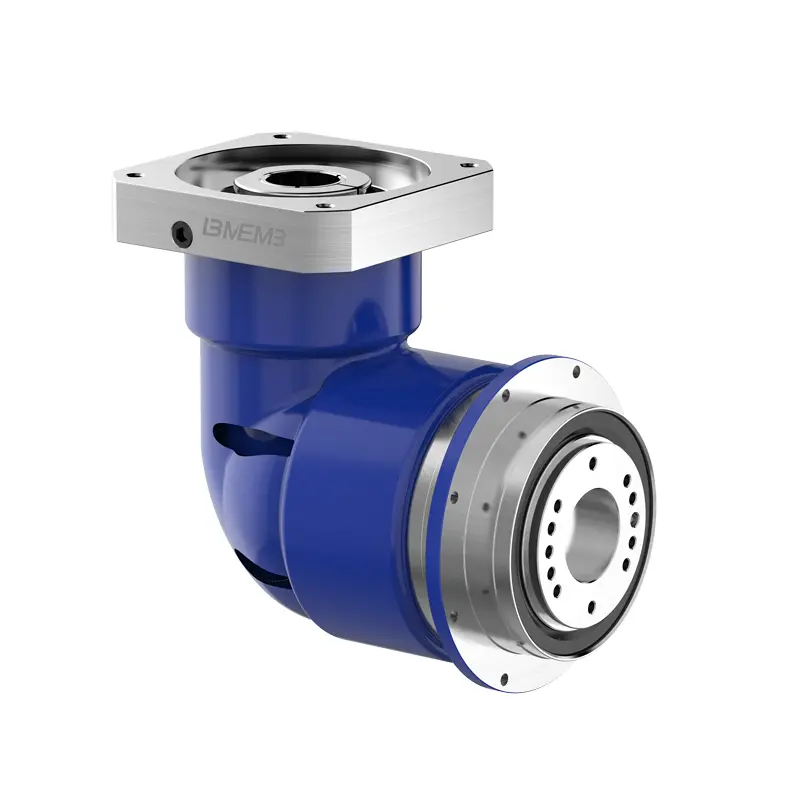
A: When every millimeter counts, look for high-torque-density models. Round-body planetary gearboxes with integrated right-angle or hollow-shaft designs can save space without sacrificing performance. Raydafon offers ultra-compact series with ratios up to 100:1 in a smaller envelope, enabling you to fit the gearbox into tight robotic assemblies or medical devices.
Choosing the ideal planetary gearbox involves more than specifications; it requires a partner who understands your complete system. At Raydafon Technology Group Co.,Limited, we combine decades of motion-control expertise with a customer-first approach. Our engineering team is ready to review your application, recommend the best gearbox, and even customize it to your exact needs. Visit www.raydafondrive.com to explore our wide product range or request a free consultation. For immediate assistance, email our sales team at [email protected]. Let’s turn your design challenges into reliable motion solutions together.
Raydafon Technology Group Co.,Limited is a global leader in precision planetary gearboxes, trusted by industry innovators. Our products are engineered to meet the most demanding industrial and automation requirements, delivering efficiency, durability, and unmatched support. Contact us today and discover how easy it is when you have the right partner.
Chen, H., 2021, "Torque Ripple Minimization in Planetary Geartrains", Mechanism and Machine Theory, Vol. 156.
Schneider, F., 2018, "Influence of Gear Geometry on Backlash and Efficiency", Journal of Advanced Mechanical Design, Vol. 12(4).
Liu, Y., 2020, "Lifecycle Modeling of Planetary Gearboxes Under Cyclic Loading", Reliability Engineering & System Safety, Vol. 198.
Patel, R., 2022, "High-Speed Planetary Gearbox Performance in Electric Vehicles", IEEE Transactions on Transportation Electrification, Vol. 8(2).
Moreau, C., 2019, "Seal Design for Harsh Environments in Rotating Equipment", Tribology International, Vol. 135.
Garcia, M., 2021, "Comparative Analysis of Spur vs. Helical Gears in Servo Applications", Precision Engineering, Vol. 69.
O'Sullivan, D., 2017, "Mounting Interface Standardization for Industrial Gearboxes", Production Engineering, Vol. 11(4).
Kim, S., 2023, "Thermal Management in Compact Planetary Drives", Applied Thermal Engineering, Vol. 220.
Andersson, J., 2020, "Cost-of-Ownership Model for Precision Gear Units", Journal of Manufacturing Systems, Vol. 57.
Yamamoto, T., 2019, "Planetary Gearbox Noise and Vibration Reduction Techniques", Mechanical Systems and Signal Processing, Vol. 125.